
Only some flooring materials can be laid over underfloor heating, and the ones that cannot usually tell you by cracking rather than by failing safely.
The System Is Easy and the Floor Is the Decision
Underfloor heating is straightforward as a system. A hydronic system runs warm water through pipes cast into a slab or laid in a screed; an electric system runs a cable or a mat in a thin bed. Both of them deliver heat upward, and both of them put a specific thermal condition under whatever floor is laid on top.
The decision that matters is therefore not the heating system but the material above it. A heated floor is a floor under a permanent, repeated heat cycle, and not every material in a showroom is approved for it. The ones that are not approved do not politely stop working; they dry, shrink, and crack.
Two Numbers That Decide Most of It
Two limits decide whether a material can go over a heated floor, and both are published by the floor manufacturer rather than by the heating supplier.
The first is the maximum floor surface temperature. Most manufacturers of resilient and wood coverings state a limit, and the figure that recurs across the technical literature is 85 degrees Fahrenheit, or 29.5 Celsius, and the vinyl construction guide is where to check a specific product’s rating, as the ceiling a floor covering has to tolerate. The second is thermal resistance: the floor covering and any pad or underlay together must not exceed an R-value of R1, or Rsi 0.18, because above that the floor insulates the heat away and the system stops doing its job.
| The limit | Where it comes from | What it means in practice |
|---|---|---|
| A maximum floor surface temperature | Usually stated by the flooring manufacturer | 85°F / 29.5°C recurs as the ceiling most coverings are rated to |
| Thermal resistance of floor plus pad | Must not insulate the system | R-value not above R1 (Rsi 0.18), per manufacturer guidance |
| Surface temp above the element | Always higher than the setpoint | The thermostat ceiling, not the thermostat number, is the limit |
| A high heat loss room | Restricts what can be heated | Vinyl is specifically not recommended for older conservatories |
Surface Temperature Is Not Thermostat Temperature
This is the point that causes most of the failures and it is worth being precise about it. The thermostat setpoint is not the temperature of the floor. The temperature directly above the heating element, during a heating cycle, is always higher than the setpoint.
One manufacturer of radiant heating systems publishes a table of expected floor surface temperatures by material for its own membrane, and the numbers are instructive: rigid core stone polymer composite sits around 80.5 degrees Fahrenheit, vinyl about 80, adhered engineered wood about 77, floating laminate about 77, adhered engineered wood at a thicker section about 75, and ceramic or porcelain tile about 82. Those are expected floor temperatures, not setpoints, and each is the ceiling a thermostat has to be kept under. Set the thermostat higher than the floor limit and the floor is what fails.

| Material | Expected floor surface temperature | Why it reads that way |
|---|---|---|
| Rigid core (SPC) | about 80.5°F | Thin and conductive; quick to heat |
| Vinyl plank and tile | about 80°F | Thin; a lower ceiling than tile |
| Engineered wood, floating | about 77°F | Thinner section conducts better |
| Engineered wood, adhered, thicker | about 75°F | A thicker section reads a lower surface temp |
| Ceramic and porcelain tile | about 82°F | The highest surface temp of the common coverings |
Solid Wood, and the One That Is Not Recommended
Solid hardwood is the one common material that a major radiant heating manufacturer states outright should not be used over floor warming, citing its thickness and the risk of damage from excessive drying of the wood while exposed to heat.
The mechanism is worth understanding rather than just accepting. A thick solid board over a heated floor experiences a sustained temperature cycle that is different from the seasonal cycle it was kiln dried for. The top surface warms faster than the underside, the moisture in the board leaves through the top face, and the board cups or cracks across the grain at the joints. Where a wood floor is wanted over heating, the hardwood flooring guide covers the two constructions, and engineered at a thinner section is the one to specify.
Installation Details That Decide the Result
Three installation details decide whether a floor over heating works, and all three are more about the assembly than about the product.
First, the underlay: it has to be one the heating manufacturer approves, because an ordinary foam pad can push the R-value over the limit and the floor stops working. Second, the self-leveling compound or screed thickness: a thick or uneven pour over the heating element changes how the heat is distributed, and several systems specify a thickness range for exactly that reason. Third, the adhesive: where a floor is glued down over heating, the adhesive has to be one the covering manufacturer lists as suitable, because ordinary construction adhesive is not.
A Floor Sensor, and Why It Is Worth the Small Cost
A floor temperature sensor is a small wired probe set into the floor between the heating element and the covering, and it stops the floor exceeding a limit regardless of what the thermostat is set to. The polished concrete page is the other material that pairs well with heating, because it stores what the system puts into it.
It is recommended by the heating trade bodies for sensitive coverings and for any installation with a high heat output. The cost is trivial and the failure it prevents is not: a floor that has dried and cracked because it sat at a temperature above its rating for a season is an expensive way to learn a published limit.
Rooms Where Heating and Flooring Fight Each Other
There is a category of room where no flooring choice rescues the heating design, and recognising it early is more useful than specifying a better product.
The clearest example is a high heat loss space such as an older conservatory. The same trade body guidance that lists vinyl as otherwise well suited notes that because most vinyl floors should not be heated above a restricted temperature, a conservatory may simply not be able to be sufficiently heated at that limit. The best flooring for sunrooms page covers that room in full, and the general rule is the same one: the worse the room loses heat, the more the floor covering constrains the system rather than the other way round.
Tile and Stone: the Best Conductor, and the Limit That Comes With It
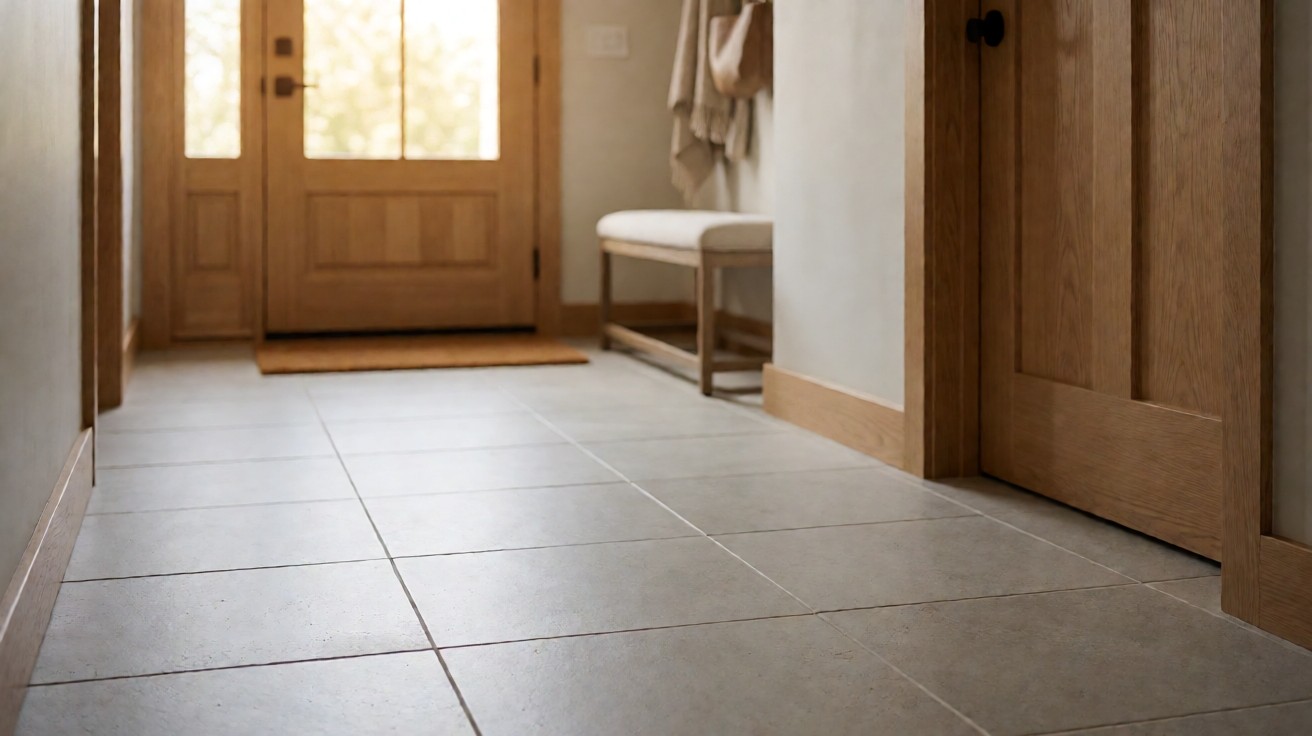
Ceramic and porcelain tile is the best answer for a heated floor, and the tile flooring guide covers the joint work that the substrate demands and the same trade body that publishes the guidance on this calls it the material with the highest thermal conductivity, so heat reaches the surface quickly and efficiently. It is also the material that tolerates the highest surface temperature of the common coverings.
The limit with tile is not the heat, it is the substrate. A tile floor is rigid, so the slab or screed beneath it has to be able to move, and a decoupling membrane with a flexible adhesive is what prevents a hairline crack appearing around a heated zone every season. On a heated floor that detail is not optional.
Engineered Wood, and Why Not Solid
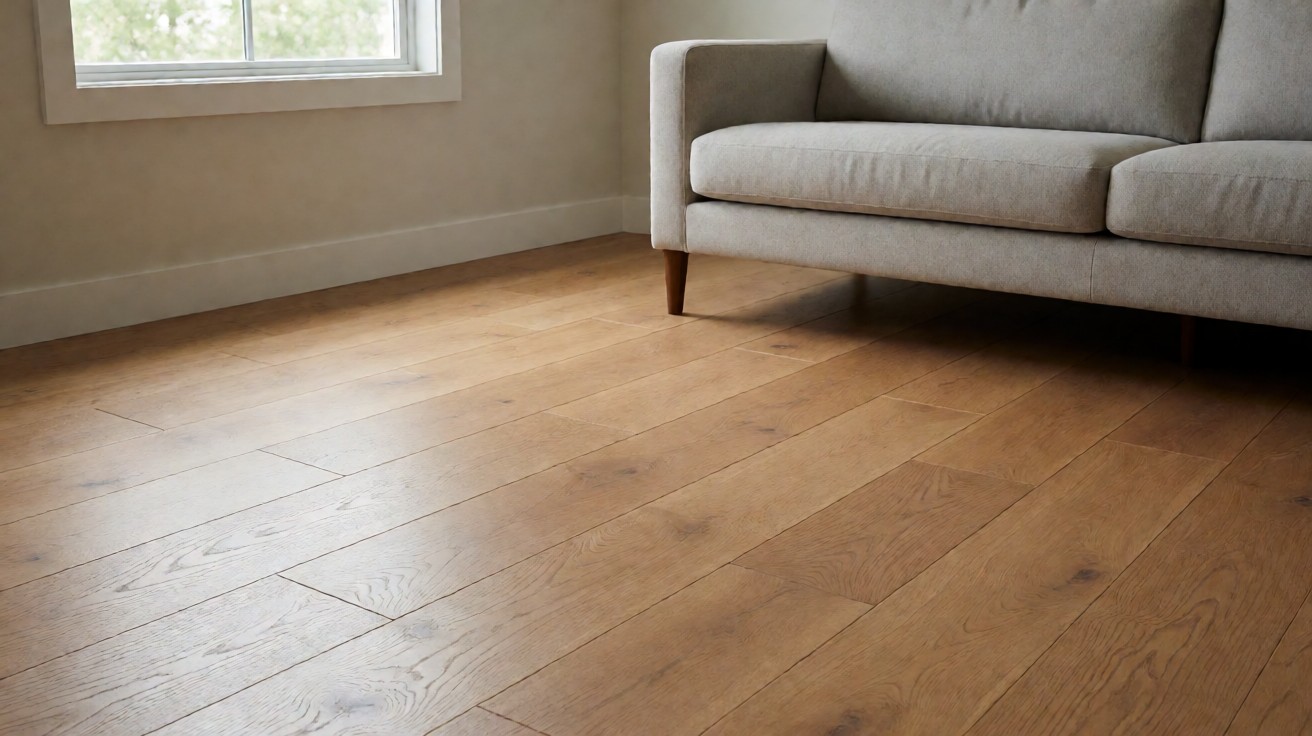
Engineered wood is the correct answer among wood products, and the reason is dimensional stability rather than appearance. The layered core moves with a heat cycle without opening a gap, which is exactly what a solid board under a repeated heat cycle will do.
One manufacturer of radiant heating systems states plainly that solid hardwood is not recommended in floor warming applications because of its thickness and the risk of damage from excessive drying of the wood while exposed to heat. That is a strong statement from a commercial source and it is consistent with what the wood trade bodies say about movement. Where a wood floor is wanted over heating, engineered at a thinner section is the specification.
Vinyl and Rigid Core, with a Lower Ceiling
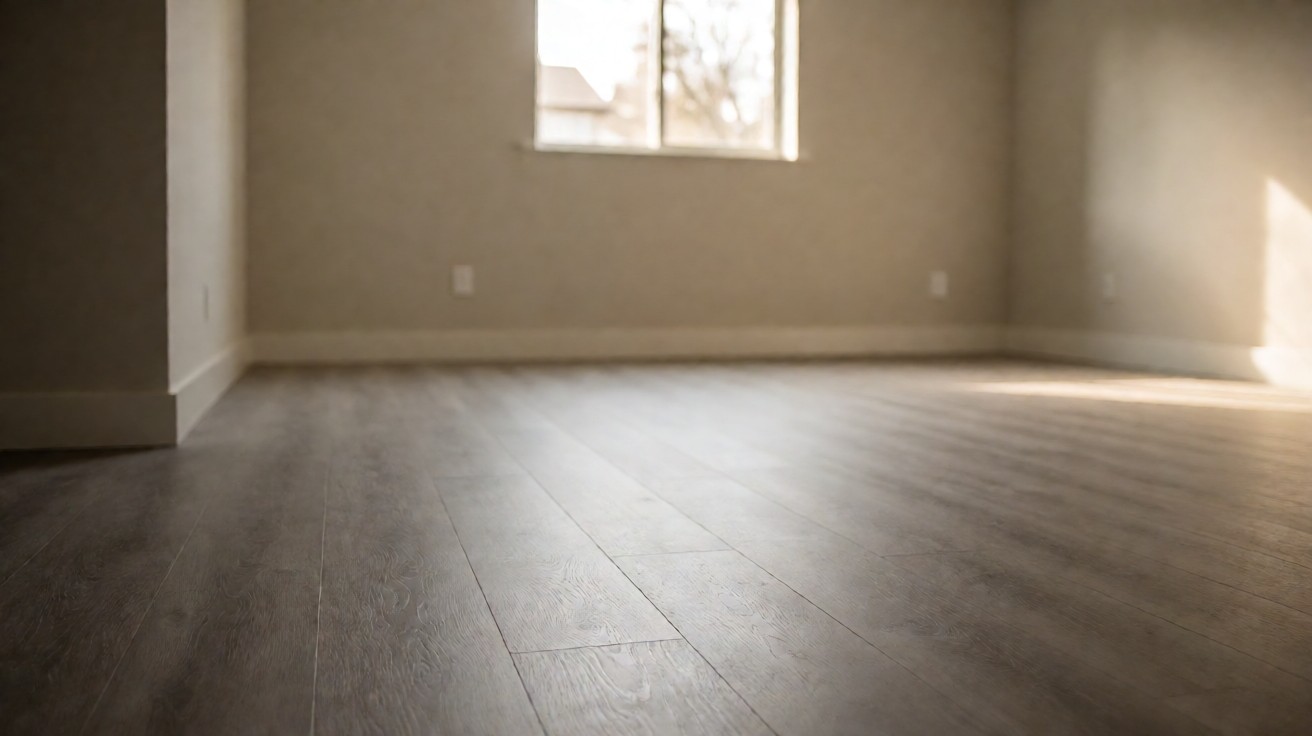
Vinyl and rigid core are genuinely well suited to heated floors, and the rigid core vinyl page covers the construction that decides it for a reason that is about conductivity: they are thin, so the heat passes through them rather than being blocked. The trade body guidance describes vinyl as heating up and cooling down quickly for exactly this reason.
The catch is that vinyl carries a lower maximum surface temperature than tile does, commonly quoted around 80 to 82 degrees Fahrenheit depending on the product, and the same guidance notes that because of that restriction vinyl is not recommended in high heat loss spaces such as older conservatories. A sunroom or a large glazed area loses heat so fast that a temperature restricted floor may simply not warm the room.
Laminate, and the Moisture Question First
Laminated board can be laid over heating and the same conductivity logic applies: thinner and denser laminates pass heat better and respond faster. It is the moisture requirement that decides it rather than the heat.
Where the system is in a slab or a screed, the slab has to be dry and a vapour barrier has to be in place before anything is laid. A heating system in a slab actively draws moisture up as it warms, which makes the moisture test more important over a heated floor than over a cold one, not less.
Carpet, and the Tog Limit
Carpet can be used over underfloor heating, and the carpet flooring guide covers the pad that the tog limit depends on. The trade body guidance puts the limit at a total of 2.5 tog for the carpet and every underlay and overlay combined, because the pile and the pad together insulate.
The underlay has to be chosen to work with the system rather than against it, and an underlay of around 1 tog designed for use with underfloor heating is what the guidance describes. A thick foam pad under a carpet is the single most common way a heated floor stops working, and it is why the carpet and pad guides are worth reading together before specifying.
How to Specify, and Where to Look Next
Specify the floor from the floor covering manufacturer’s own documentation, not from a rule of thumb. Every product that is approved for radiant heating is approved with a temperature limit attached, and that number is the one that governs the thermostat setting and whether a sensor is needed. A retailer who cannot produce the number is telling you something useful.
Then read the guide for the material you have settled on. The hardwood flooring guide is where the engineered and solid distinction matters most here, the rigid core vinyl page covers the resilient construction, and the flooring types compared page has every family in one table. The choosing flooring for multi story homes page covers the case where the heated floor is only on one level, and the best flooring for sunrooms page covers the case where the room is losing too much heat for any restricted floor temperature to be enough.