
Choosing flooring starts with the room, not the material, because moisture, traffic, comfort, budget, and repairability decide which floor actually works.
Most homeowners start in the wrong place. They pick a color from a photo and then try to make that sample fit a hallway, a bedroom, and a laundry room. The sample is rarely the problem. The order is.
This guide runs the decision in the order a room demands it. Moisture comes first, traffic second, comfort third, budget fourth, and lifestyle last. Each step removes options, so you finish with two candidates instead of a wish list.
What Should You Decide First When Choosing Flooring?
The first decision is not which floor you want. It is which question you ask first. A sample that fits a dry bedroom can fail in a damp laundry room within one season, and a floor that handles a laundry room can feel wrong in a quiet bedroom.
Five axes carry the whole decision, and they work in a fixed order. Moisture decides whether a material can go in the room at all. Traffic sets the minimum rating you must buy. Comfort narrows the field to one family. Budget prunes that family to what you can install. Lifestyle breaks the tie.
| Order | Decision axis | The question it answers | What it rules out |
|---|---|---|---|
| 1 | Moisture | How damp does this room get? | Wood and carpet in wet rooms |
| 2 | Traffic | How much foot traffic and furniture? | Low rated floors in busy rooms |
| 3 | Comfort | How hard and loud should the room feel? | Hard surfaces in bedrooms |
| 4 | Budget | What is the total installed cost? | Materials you cannot prepare for |
| 5 | Lifestyle | Who and what lives in the room? | Fragile finishes with pets or kids |
Skipping the order does not slow the decision. It gives you a longer list, and every option on it has to be compared against every other. The order is the filter.
What Order Should You Follow?
Start with moisture, then traffic, then comfort, then budget, then lifestyle. If two materials survive the first four, the fifth decides. Reversing the order wastes time, because a material you can afford may be excluded by moisture before price matters.
How Much Foot Traffic Will This Floor Actually See?
Traffic is the second filter, and it is the one most buyers skip. They guess from the room name instead of watching how the room is used. A guest bedroom used twice a year is low traffic. A hallway used forty times a day is not.
How Do You Tell If a Room Is High Traffic?
Count what crosses the floor and how often. Entryways, hallways, stairs, and the path between the kitchen and the refrigerator carry high traffic. Add moving furniture, office chairs with casters, and any room where a pet runs. If a room has more than one of those, treat it as high traffic.
Ratings exist so you can buy for traffic instead of guessing. Laminate is certified under the NALFA standard LF-01, with levels from residential through heavy commercial. The AC rating measures wear from abrasion only, and the same NALFA white paper lists other tests a floor must pass, including impact and castor chair resistance.
Does a Higher Rating Mean a Better Floor?
A higher rating means the floor survives more abrasion. It does not mean it resists impact, stain, or furniture. NALFA sets 25,000 castor chair cycles for residential laminate and 50,000 for commercial laminate, so a floor that passes the wear test can still fail the chair test.
The laminate flooring guide covers how the rating, wear layer, and core work together, the material detail this page leaves to that guide.
How Much Moisture Will This Room Introduce?
Moisture is the first filter, and it disqualifies materials rather than ranking them. A damp room does not ask which floor looks better. It asks which floor can survive standing water, saturated air, and a spill that sits for hours.
Can You Put Wood Flooring in a Damp Basement?
Wood moves with humidity, so the room has to be controlled before the floor goes down. The NWFA recommends holding the interior between 30 and 50 percent relative humidity and between 60 and 80 degrees Fahrenheit, and concrete slabs must be moisture tested first.
Its subfloor rule of thumb allows no more than 4 percent more moisture in the subfloor than in solid strip flooring under 3 inches wide, and no more than 2 percent more than solid plank 3 inches or wider. Those numbers are thresholds, not targets. If a basement swings outside the range or a slab tests wet, wood is the wrong answer.
Does Every Room Need the Same Moisture Standard?
No. A dry bedroom can take a floor that a damp laundry room cannot. Apply the standard to the room’s worst realistic condition, not to the whole house. Bathrooms, laundry rooms, mudrooms, and finished basements all get the wet room test, and that test usually leaves hard surfaces standing.
Hard surfaces carry their own moisture label. Tile is tested for slip resistance under ANSI A326.3, which measures a dynamic coefficient of friction, and TCNA recommends a minimum of 0.42 for level interior floors walked on when wet. That number matters in a bathroom or an entry, where wet feet are normal.
Vinyl is the usual answer for damp rooms because its core does not swell the way wood does. The vinyl flooring guide covers how the core, wear layer, and backing are built, the construction detail this page leaves to that guide.
What Does Comfort and Noise Mean in This Room?
Comfort is the third filter, and it is the reason a floor can be technically correct and still feel wrong. A bedroom and a laundry room ask different questions. One asks for warmth and quiet. The other asks for a surface you can mop.
Is a Hard Floor Colder Underfoot Than Carpet?
Hard surfaces sit at the room’s temperature and conduct heat away from a bare foot, so they feel cooler at the same air temperature. Carpet traps a layer of air in the pile, so it feels warmer and absorbs impact sound. When comfort and quiet are the priority, carpet answers both.
Carpet also carries an indoor air label worth checking. The Carpet and Rug Institute runs the Green Label Plus program, which certifies carpet and adhesive against a VOC emissions standard. The carpet flooring guide covers fibers, padding, and density, the material details this page leaves out.
What Does Your Budget Actually Need to Cover?
Budget is the fourth filter, and it has to be applied to the installed number rather than the material number. A floor that looks affordable on the shelf can cost more than a pricier floor once the room has to be prepared.
| Material | Installed cost per square foot | Main limitation |
|---|---|---|
| Carpet | $2 to $8 | Stains and matting in traffic lanes |
| Laminate | $4 to $14 | Swelling at the seams when water sits |
| Luxury vinyl plank | $4 to $16 | Denting under heavy point loads |
| Engineered wood | $7 to $20 | A limited number of refinish cycles |
| Hardwood | $11 to $25 | Movement with humidity and acclimation needs |
| Tile | $10 to $50 | Hard and cold underfoot, and grout maintenance |
Those ranges are HomeGuide’s 2026 installed figures for material plus labor, and they vary by region, product grade, and the condition of the subfloor. Treat them as the shape of the decision rather than a quote.
What Is the Waste Factor and Why Does It Matter?
Installers add a waste factor, usually around 10 percent, for cuts, breakage, and pattern matching. A room that measures 200 square feet often needs 220 square feet of material. The factor multiplies the material cost and decides how many spare pieces you keep if one fails later.
The installed number also has to include removal of the old floor, subfloor repair, underlayment, and transitions. A cheap material over a damaged subfloor can cost more installed than a mid range material over a flat one.
How Do Pets, Kids, and Daily Habits Change the Choice?
Lifestyle is the fifth filter, and it is the tiebreaker when two materials have survived the first four. It asks what actually happens in the room rather than what the room is called.
Will a Large Dog Ruin a Hardwood Floor?
A large dog scratches a soft wood species, and claws leave marks on a glossy finish faster than on a matte one. Harder species and a matte finish hide the wear better. Most scratches on wood are surface marks, and a refinish resets them, which is why repairability belongs in this decision.
Which Spills Actually Stain Each Floor?
Carpet holds a spill in the fiber and needs quick cleaning to avoid a permanent mark. Laminate swells at the seams if water sits. Hard surfaces shed water but leave it standing, which is why the wet room filter comes first. The material that dries fastest is not always the one that cleans easiest.
Cleaning habits matter as much as accidents. A household that vacuums daily can live with carpet in a busy room. A household that mops weekly prefers a hard surface. Buy for the habit that exists, not the one you plan to build.
Which Rooms Should Get Different Floors in One Home?
Most homes do not need one floor. They need one floor per exposure profile, and a few rooms in the same house can want different answers.
| Room | Exposure profile | What to decide first |
|---|---|---|
| Bedroom | Dry, low traffic, quiet | Comfort and warmth |
| Living room | Medium traffic, mixed use | Comfort and durability balance |
| Hallway and stairs | High traffic, constant use | Rating and edge durability |
| Bathroom | Wet, hard water, wet feet | Slip rating and water tolerance |
| Laundry and mudroom | Damp, tracked water, dropped items | Water tolerance and denting |
| Finished basement | Variable humidity, concrete slab | Slab moisture test before anything |
Read the table by column rather than by row. The third column is the decision you make for that room before you look at color.
Should Every Room Have the Same Floor?
A single material across the whole house is simpler to buy and simpler to repair later, but it forces one material to answer every exposure profile at once. Two or three materials, each matched to its room, usually perform better than one material stretched past its limits.
Where Do Transition Strips Go?
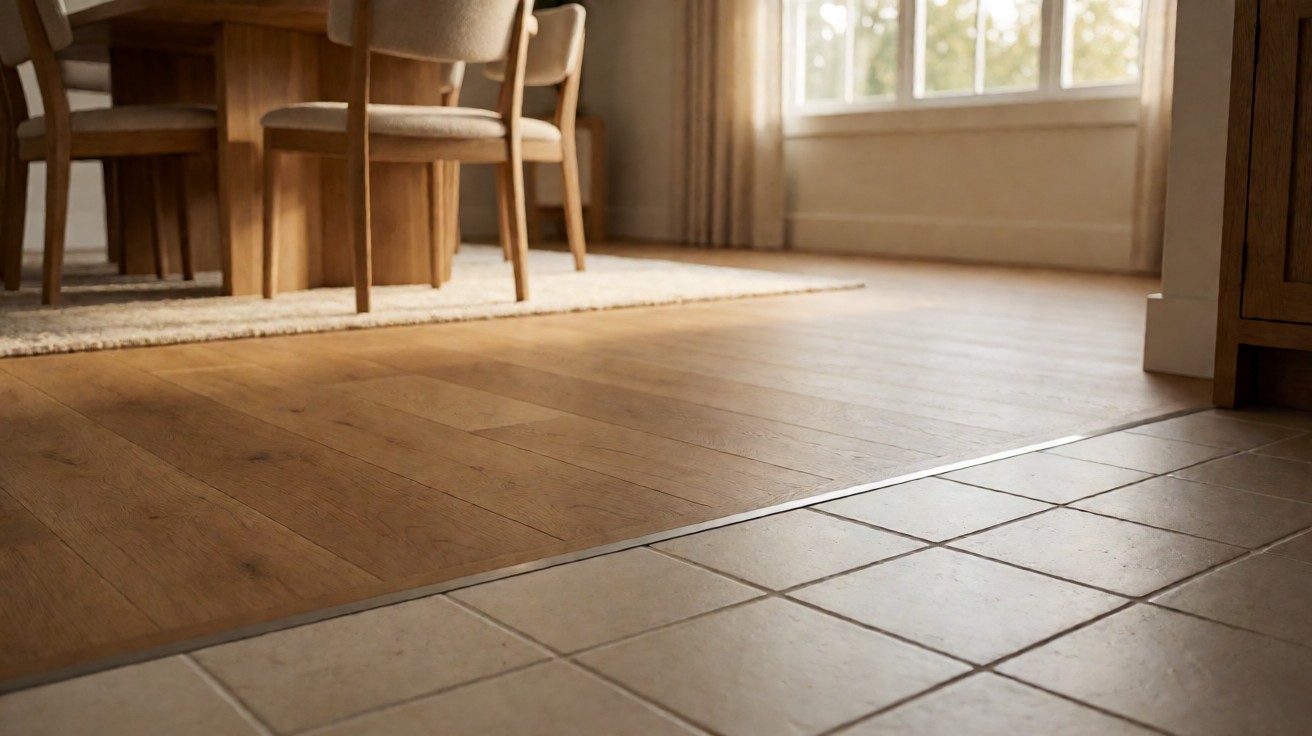
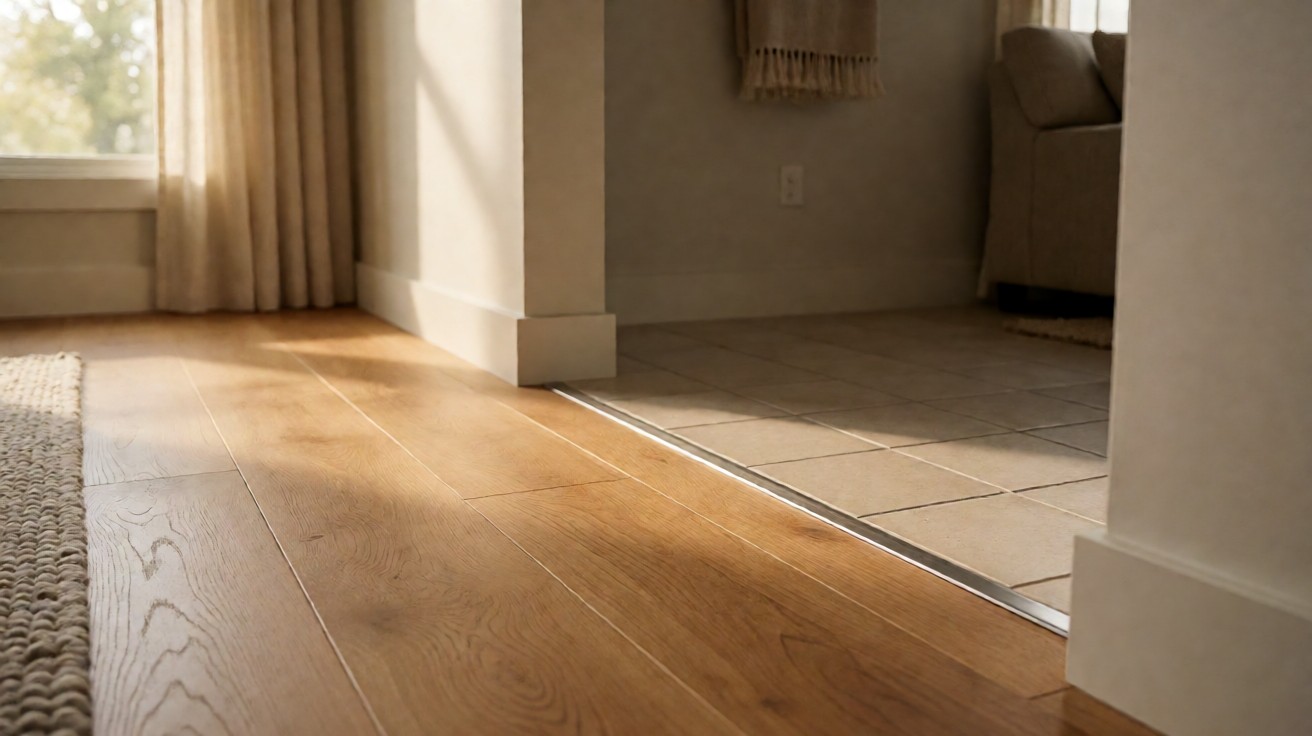
Where two materials meet, a transition strip covers the seam and absorbs the small height difference between them. It belongs at every doorway where the material changes, not just at the front door. Skipping it leaves an exposed edge that chips and collects dirt.
Kitchen floors have their own decision page, and this guide does not repeat it. The best flooring for kitchens page covers that room’s traffic, spill, and cleanup profile in detail.
What Does Each Material Fail At?
A good decision needs an honest failure list. Every material fails somewhere, and knowing where is what stops you from buying a floor for the room it will fail in.
| Material | Where it fails first | Decision signal |
|---|---|---|
| Carpet | Stains and matting in traffic lanes | Wrong for wet rooms and busy entries |
| Laminate | Swelling at the seams when water sits | Wrong for bathrooms and laundry rooms |
| Luxury vinyl plank | Denting under heavy point loads | Add felt pads under furniture |
| Engineered wood | Wear through the thin top layer | Limited refinish cycles |
| Hardwood | Cupping and gaps from humidity swings | Needs a controlled room |
| Tile | Grout staining and a hard, cold feel | Wrong where comfort is the priority |
The failure column is the part competitors leave out. A floor can carry a strong rating and still fail in the one way that matters to your household.
Which Failure Mode Matters Most to You?
Name the failure you cannot live with before you compare materials. If a stain is unacceptable, carpet leaves the list early. If a dent is unacceptable, a soft wood species leaves the list. If a grout line is unacceptable, tile leaves the list. One named failure removes more options than ten features.
What Should You Not Rely On a Rating For?
Ratings cover wear, and they leave out the failures that show up in real life, including impact, standing water, and how a floor sounds in the room above. Treat a rating as the entry requirement, then judge the rest against your own failure list.
How to Narrow the Field From Every Option to Two?
Once the five filters have run, the remaining options are usually few. The goal of the last step is not to find a perfect floor. It is to find two good ones and pick between them on the one axis you care about most.
How Many Samples Should You Bring Home?
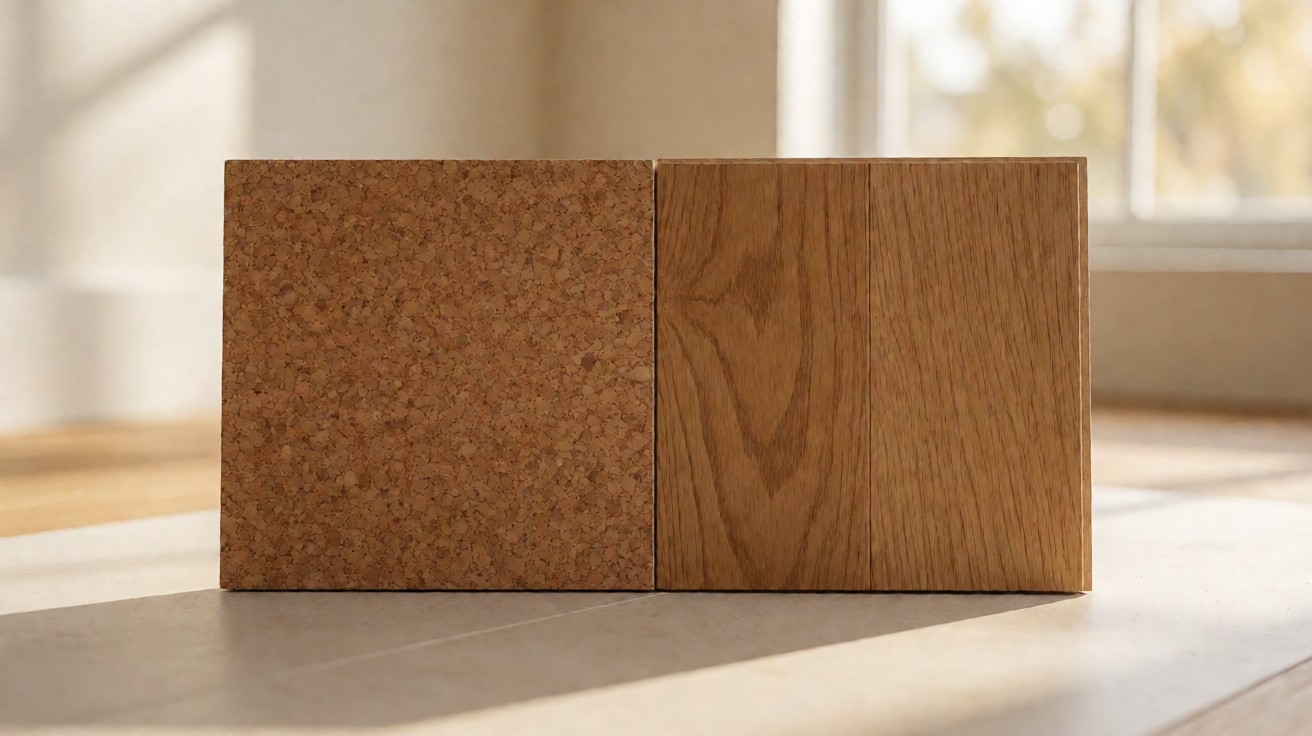
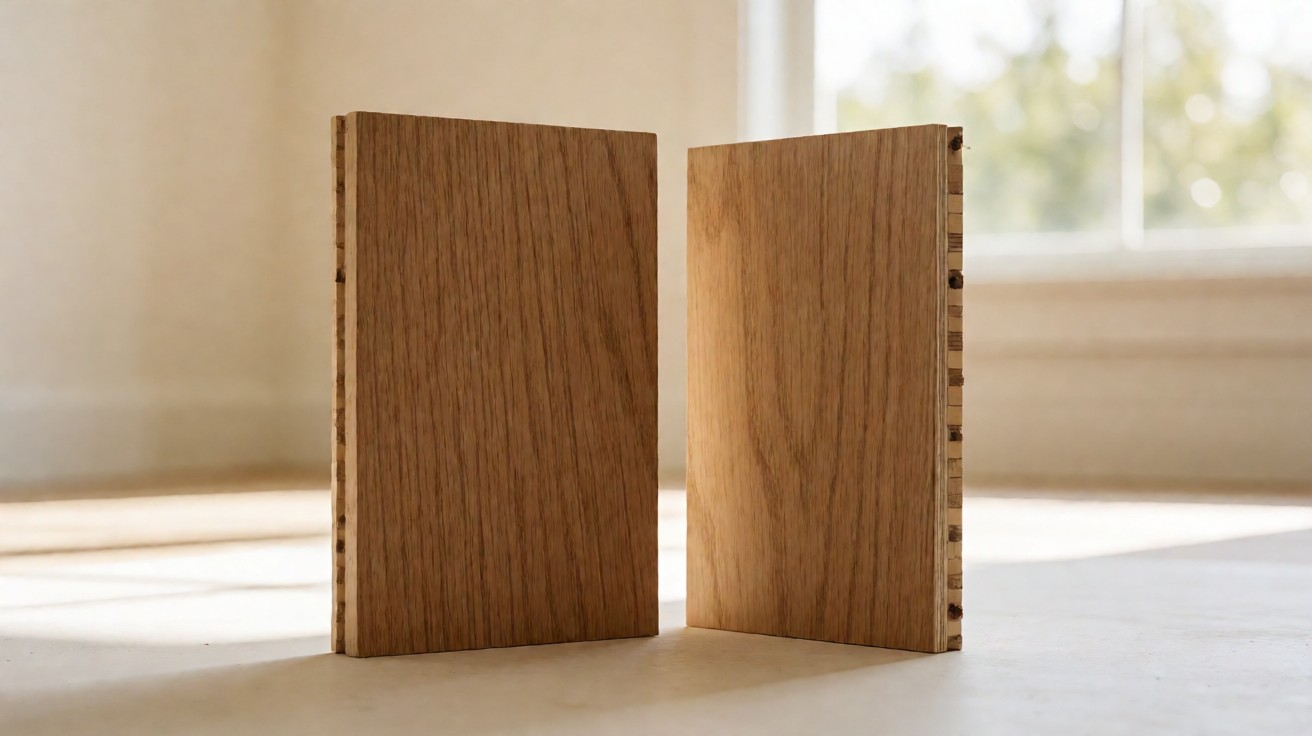
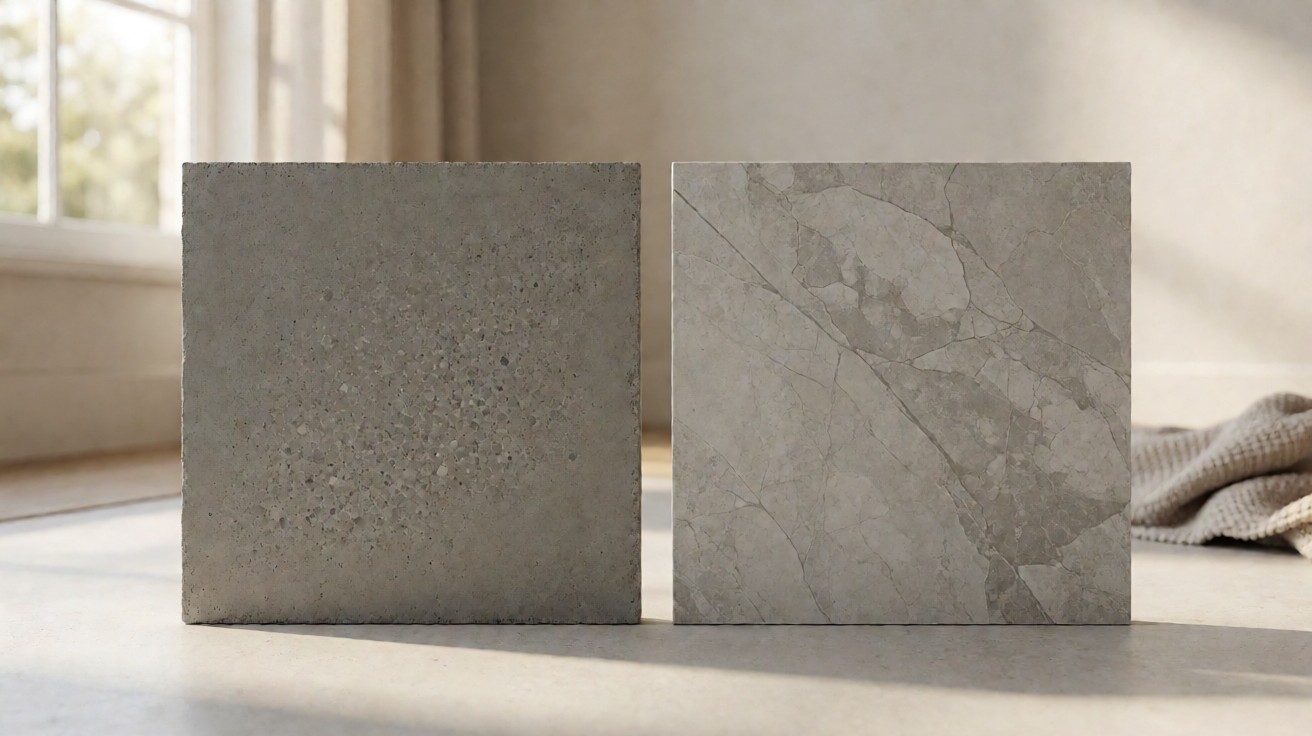
Bring home two to four samples, not one. A sample seen only in a store looks different under home light, next to your cabinet color, and beside the furniture that stays. Lay the samples in the room they are meant for and look at them in the morning and the evening.
What Should You Do With the Final Two?
Compare the final two on one axis rather than rescoring everything. If both survive moisture, traffic, comfort, and budget, the tiebreak is usually repairability or cost over ten years. A floor you can refinish is often the better long term answer even at a higher installed price.
What Does a Wrong Choice Cost to Fix?
A wrong floor is not usually replaced because it stopped working. It is replaced because the wrong material was chosen for the right room, and the repair cost then exceeds the original budget.
How Much Does Replacing a Floor Cost?
Removal of the old floor adds its own line to the bill, and HomeGuide lists that removal at roughly $1.50 to $3.50 per square foot. A 400 square foot room that needs a redo pays for two installations, which is why the moisture and traffic filters are worth more than any sample.
Can a Wrong Choice Be Repaired Later?
Some failures are repairable and some are not. Scratches on wood can be refinished. Swollen laminate seams usually mean replacement. Matting in carpet can be lifted but returns under the same traffic. If the failure you fear is not repairable, buy the material that cannot fail that way.
How to Test Your Final Choice Before You Buy?
Testing a floor before you buy it is cheap, and it catches the mistakes the filters miss.
How Long Should You Live With a Sample First?
Keep a sample in the room for at least a week. Walk on it with shoes and without, drop something on it, and spill water on it to see how it behaves. The sample shows how the material handles light, sound, and impact in the actual room.
Measure the room’s conditions too. A basic hygrometer tells you the humidity range the room holds, and that number decides whether wood is even an option. If the room sits outside the 30 to 50 percent range the NWFA describes, wood is out before price comes into it.
What Should You Ask an Installer Before Signing?
Ask what the quote includes. A written quote should name the underlayment, the transitions, the removal of the old floor, the subfloor prep, and the waste factor, and it should name who fixes the subfloor if it turns out to be out of flat. A quote that lists material and labor only is not a total.
Where to Go Next From This Guide?
This page made the decision. The next step is to learn the material you are leaning toward, or to compare two head to head. The five material guides cover hardwood, laminate, tile, carpet, and vinyl in depth, and the comparison page covers how to weigh two materials against each other. For the rooms that decide the pick, the best flooring for living rooms page, the best flooring for bathrooms page, and the best flooring for basements page each work through the material that specific room actually needs.
If you are still deciding between two materials, work through the failure list one more time. The material that survives your own worst case is the one to buy.