
How often you should clean a floor depends on material, finish, traffic, and surface layer, not on one weekly rule for every room in the house.
A sealed porcelain tile in a mudroom needs a different rhythm than an oil-finished oak in a bedroom, and treating both the same shortens the life of one of them.
The answer is a schedule built from the surface layer and the adhesive underneath it. Dry cleaning comes first and happens often; damp mopping follows on a slower cadence; wet methods belong only to materials that tolerate them.
How often should you dry clean each flooring type?
Dry cleaning means dust mopping, sweeping, or vacuuming without water. It removes grit, which is the single biggest cause of surface wear on every flooring type. Do it daily in kitchens, entryways, and hallways, and two or three times a week in bedrooms and living rooms.
Hardwood and laminate need a soft-bristle broom or a vacuum with the beater bar off. Tile and stone tolerate a stiffer broom. Carpet needs vacuuming two to three times a week in low-traffic rooms and daily in high-traffic ones.
What happens if you skip dry cleaning?
Grit acts like sandpaper under shoes and chair legs. On a 3 mm wear layer, a single week of unremoved grit can dull the finish measurably. Dry cleaning is the cheapest insurance you have.
How often should you damp mop each flooring type?
Damp mopping uses a lightly moistened pad and a neutral pH cleaner. It follows dry cleaning, never replaces it. For most sealed floors, once a week is the right cadence in living spaces and twice a week in kitchens and bathrooms.
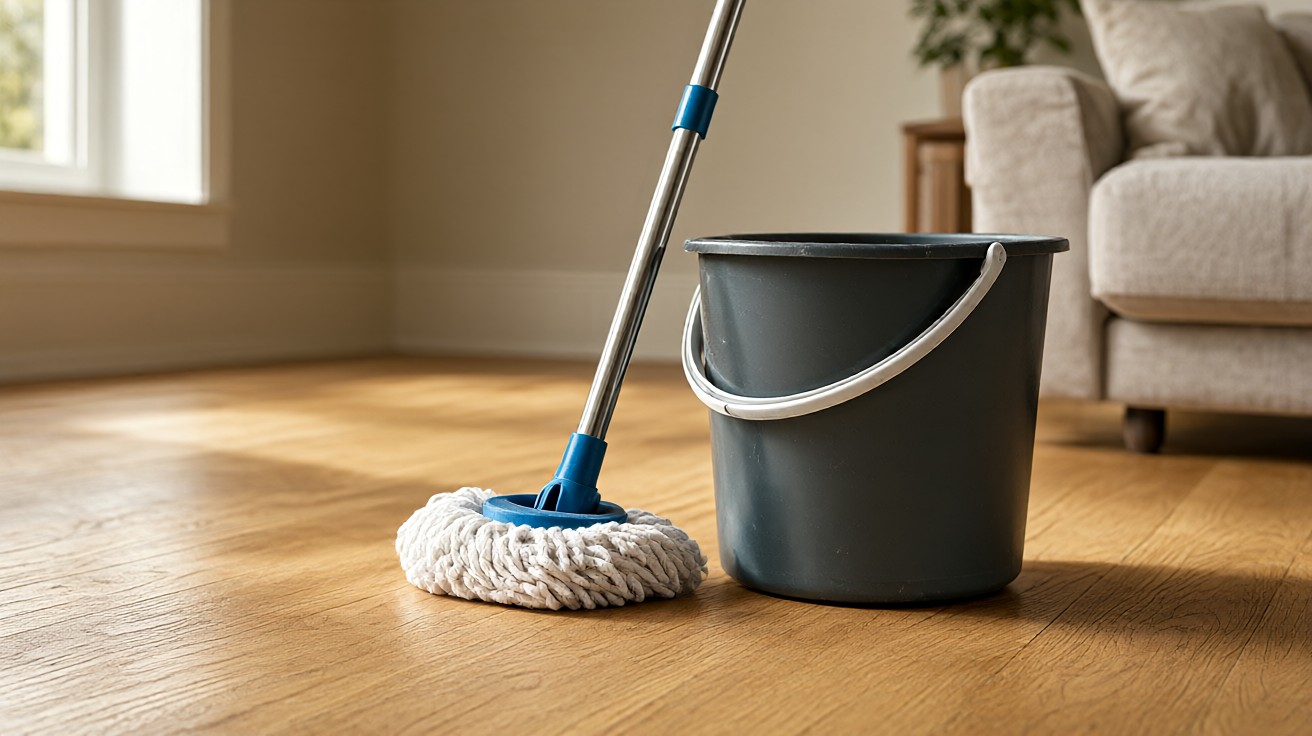
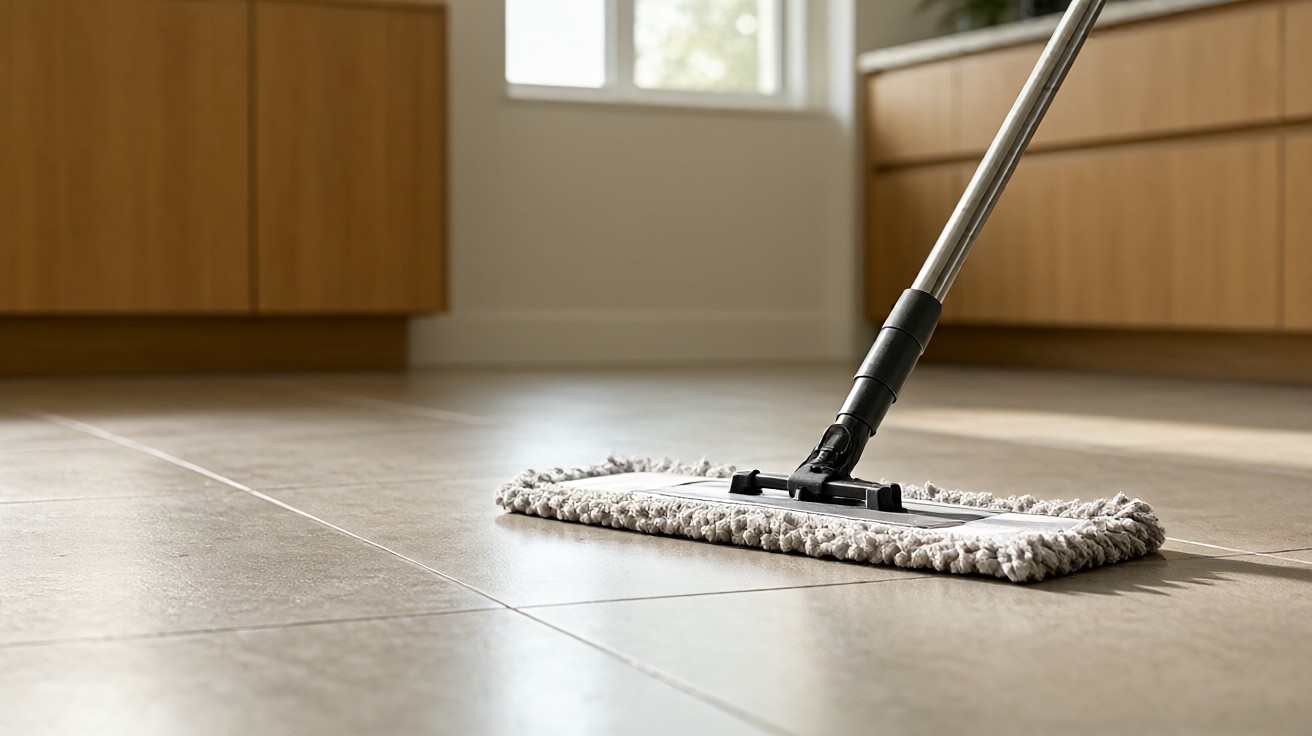
Use a microfiber pad wrung nearly dry. Standing water is the enemy of hardwood, laminate, and cork, so the pad should feel barely damp to the touch. Tile and stone tolerate a wetter pad, but even there, less water means less grout staining.
| Material | Dry clean | Damp mop | Wet mop or steam |
|---|---|---|---|
| Hardwood (polyurethane) | Daily in busy rooms | Every 1 to 2 weeks | Never |
| Laminate | Daily in busy rooms | Every 1 to 2 weeks | Never |
| Luxury vinyl plank | Daily in busy rooms | Weekly | Occasional, low heat |
| Sealed porcelain tile | Daily in kitchens | Weekly | As needed |
| Carpet | 2 to 3 times a week | Spot clean | Deep clean 12 to 18 months |
How often should you wet mop or steam clean?
Wet mopping and steam cleaning belong only to materials that tolerate saturation. Sealed porcelain tile and some vinyl products handle occasional wet mopping. Hardwood, laminate, cork, and natural stone do not.
Steam mops push moisture into seams and under wear layers. The American Cleaning Institute cautions against steam on wood floors, and most manufacturers void the warranty when steam is used. Treat steam as a tile-only tool.
How often should you clean hardwood floors?
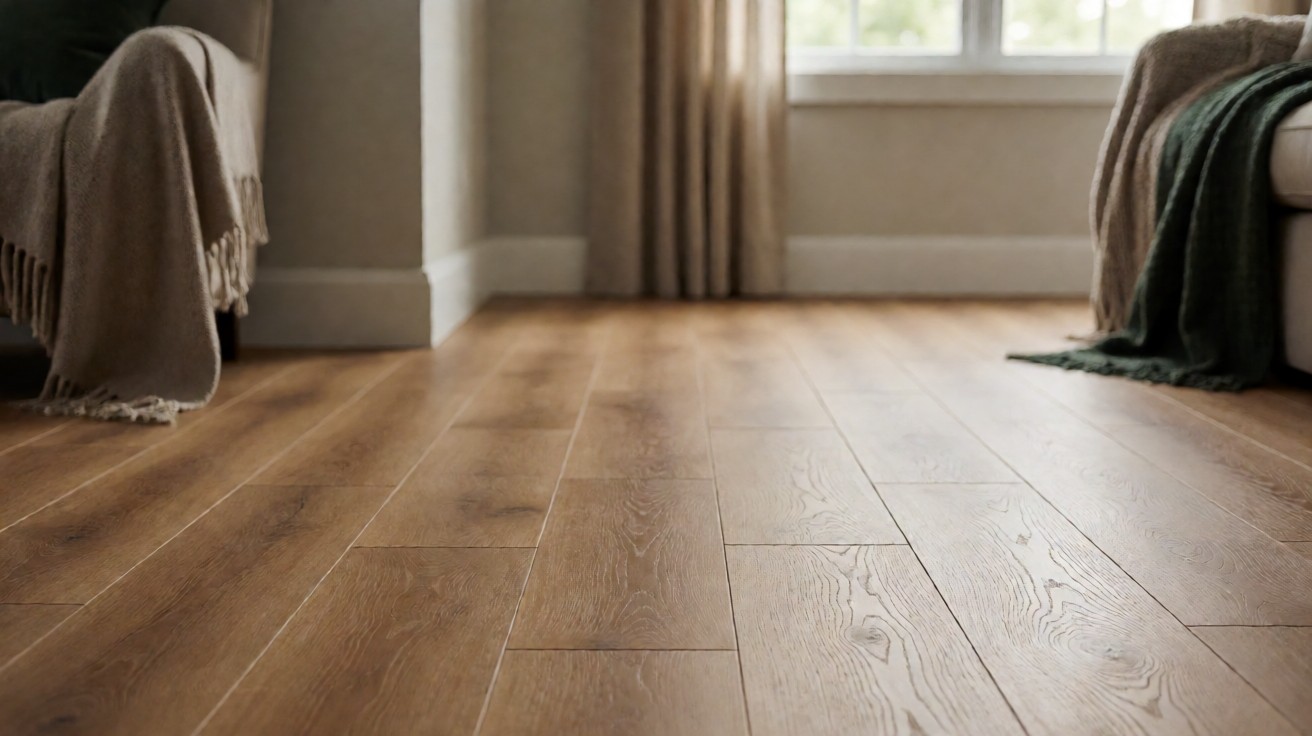
Hardwood needs dry cleaning daily in busy rooms and damp mopping every one to two weeks. Use a neutral pH cleaner made for wood. Avoid vinegar, ammonia, and soap-based products, which dull the finish over time.
Oil-finished floors need their own cleaner and a periodic oil refresh. Polyurethane finishes tolerate a slightly wetter pad but still demand a wrung-out mop. See the hardwood cleaning guide for the full routine.
How do you know if your finish is polyurethane or oil?
Drop a teaspoon of water on a hidden spot. If it beads for several minutes, the finish is likely polyurethane. If it soaks in within a minute, the floor is likely oil-finished and needs an oil-safe cleaner.
How often should you clean vinyl plank and sheet vinyl?
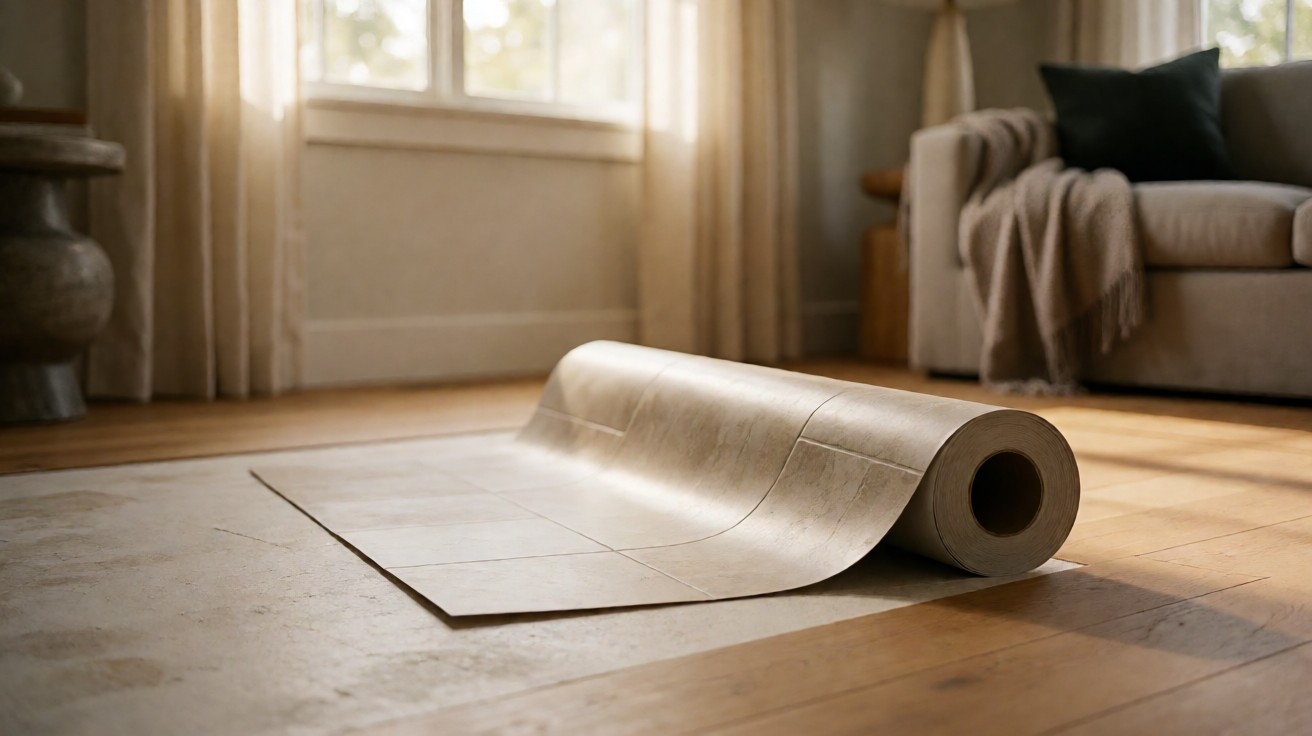
Luxury vinyl plank and sheet vinyl tolerate damp mopping weekly and occasional wet mopping. Their wear layer protects the print, but grit still scratches it, so dry cleaning stays frequent.
Use a neutral pH cleaner and avoid abrasive pads. Steam is not recommended on most vinyl products because heat can soften the wear layer and adhesive. The wear layer on residential LVP is often 12 mil to 20 mil, and a scratched wear layer cannot be refinished.
How often should you clean laminate floors?
Laminate looks like wood but behaves differently. Dry clean often, damp mop every one to two weeks with a barely damp pad, and never wet mop. Water that seeps into the core causes swelling and edge lifting.
Use a laminate-specific cleaner and avoid wax, polish, and steam. The core is high-density fiberboard, which swells when saturated, so keep water under 1 ounce per 100 square feet of floor.
How often should you clean tile and stone floors?
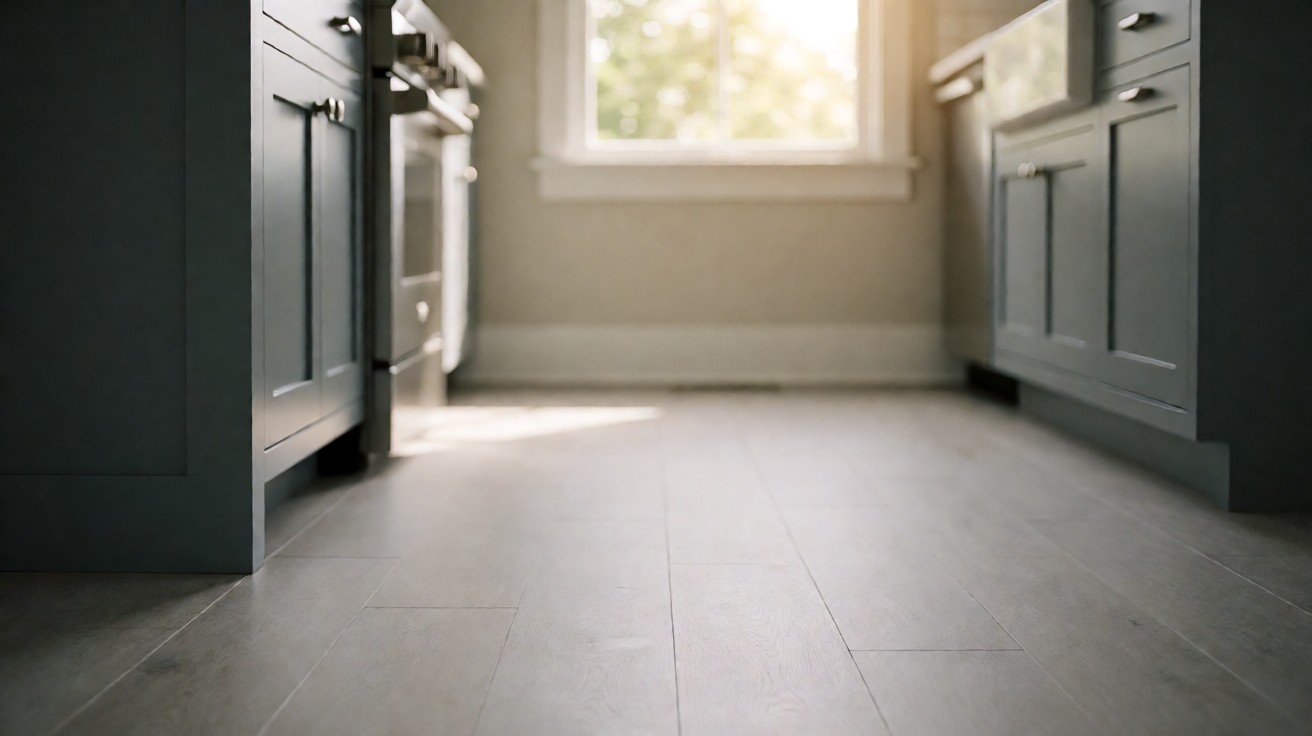
Sealed porcelain and ceramic tile tolerate the most aggressive cleaning. Dry clean daily in kitchens, damp mop weekly, and wet mop or steam when grout or texture demands it. Natural stone is different: seal it, use a stone-safe cleaner, and avoid acid.
Grout needs periodic attention. Scrub grout lines monthly in wet rooms and quarterly elsewhere. Acidic cleaners etch stone and grout, so stick to neutral pH products. The NWFA and major tile associations publish care guides that follow this logic.
| Finish or material | Tolerates | Voids warranty if used |
|---|---|---|
| Polyurethane hardwood | Damp mop, neutral pH cleaner | Steam, vinegar, wax |
| Oil-finished hardwood | Oil-safe cleaner, dry buff | Water, ammonia, steam |
| Laminate | Barely damp pad | Wet mop, steam, wax |
| Natural stone | Stone-safe neutral cleaner | Acid, bleach, abrasive |
How often should you clean carpet?
Carpet needs vacuuming two to three times a week in low-traffic rooms and daily in high-traffic ones. The Carpet and Rug Institute recommends regular vacuuming to remove soil before it binds to fibers.
Deep clean every twelve to eighteen months, or sooner in homes with pets or allergies. Spot treat spills immediately and blot rather than rub to protect pile direction. A 1/2 inch pile shows traffic lanes faster than a low loop, so vacuum those areas daily.
When should you hire a professional carpet cleaner?
If odors persist after spot treatment, or if the pile has matted in traffic lanes, hire a certified cleaner using hot water extraction. DIY machines often leave residue that attracts soil faster.
How does traffic change the schedule?
Traffic is the multiplier. A guest bedroom needs half the attention of a kitchen. Entryways and mudrooms collect grit that acts like sandpaper, so dry clean them daily and damp mop twice a week.
Homes with pets or young children need faster cadences across every material. When in doubt, increase dry cleaning before increasing wet cleaning, because grit does more damage than dust. A 2,000 square foot home with two dogs may need daily vacuuming where a single adult needs weekly.
What is a simple weekly and monthly maintenance schedule?
A workable baseline: daily dry cleaning in kitchens, entries, and halls; weekly damp mopping of sealed floors; monthly grout and edge checks; quarterly deep clean of grout and stone sealers; annual professional carpet cleaning.
Adjust by material and finish, and keep the hardwood flooring guide handy for wood-specific limits. The schedule should shorten the routine, not lengthen it.
What should you never put on any floor?
Never use abrasive cleaners, steel wool, or scouring pads on any floor. Avoid vinegar and bleach on stone, wood, and grout. Skip wax on factory-finished wood and laminate, and skip steam on anything that is not sealed tile.
When a product is not labeled for your material, leave it on the shelf. A neutral pH cleaner covers most sealed floors, and material-specific products cover the rest. The EPA recommends drying wet materials within 24 to 48 hours to prevent mold growth.
Where should you go for the full routine on your material?
This page sets the cadence; the per-material guides set the method. Use the hardwood cleaning guide, the LVP cleaning guide, and the laminate flooring guide for step-by-step routines.
Match the method to the material, keep water to a minimum, and let dry cleaning do most of the work. That single habit protects every floor in the house.
Consistency matters more than intensity. A light daily routine beats a heavy monthly scrub because grit never gets the chance to embed. Track your cadence on a simple calendar and adjust after two weeks based on visible dirt.
If a floor looks dull despite regular cleaning, the issue is usually residue or worn finish, not frequency. Strip residue with the manufacturer recommended cleaner before increasing mopping. Refinish hardwood when the finish is worn through, not when it is merely dirty.
The CRI Seal of Approval program and the NWFA care guidelines both stress dry soil removal first. EPA guidance on drying wet materials within 24 to 48 hours applies to any spill on wood or laminate. These standards agree: water is the last resort, not the first step.
If you have 2 dogs and 1,500 square feet of mixed flooring, plan on 10 minutes a day of dry cleaning and 30 minutes a week of damp mopping. If you live alone in 800 square feet, cut both in half. Adjust the schedule to the household, not to the calendar.
Dry soil removal is the foundation. Vacuum or dust mop before any wet method. If you wet a dirty floor, you create mud and grind it in.
Choose tools with washable pads. Replace pads when they stop absorbing. A clean pad cuts cleaning time in half.
Log your schedule on the fridge. Adjust after two weeks based on visible dirt and foot traffic.
Microfiber pads trap dust electrostatically. Wash them without fabric softener. Softener coats fibers and reduces pickup.
For tile, use a grout brush monthly. For hardwood, use a wood-safe cleaner and a barely damp pad. For carpet, vacuum slowly in two directions.
Remember that frequency is not intensity. Short daily passes beat long weekly scrubs. Your floors will last longer with less effort.
Keep a spare pad for each room. Swap pads when they load up with dirt. Wash pads weekly in hot water.
If a spill happens, blot it fast. Do not let water sit on wood or laminate. Dry the area within minutes.
How do you handle seasonal changes in cleaning frequency?
Winter brings salt, grit, and tracked moisture that demand daily dry cleaning and more frequent damp mopping. Summer brings pollen and open windows that deposit dust on every surface. Adjust the schedule with the season rather than holding one cadence year-round.
In wet seasons, place mats at every entry and dry them weekly. In dry seasons, focus on dust control with a microfiber pad. A 24 to 48 hour dry time for any wet spill applies in every season, and the EPA guidance on mold prevention stays relevant whenever moisture is involved.
If you are unsure which cadence fits your home, start with the conservative schedule and add frequency only where dirt is visible. Removing soil before it binds is cheaper than repairing a worn finish later.