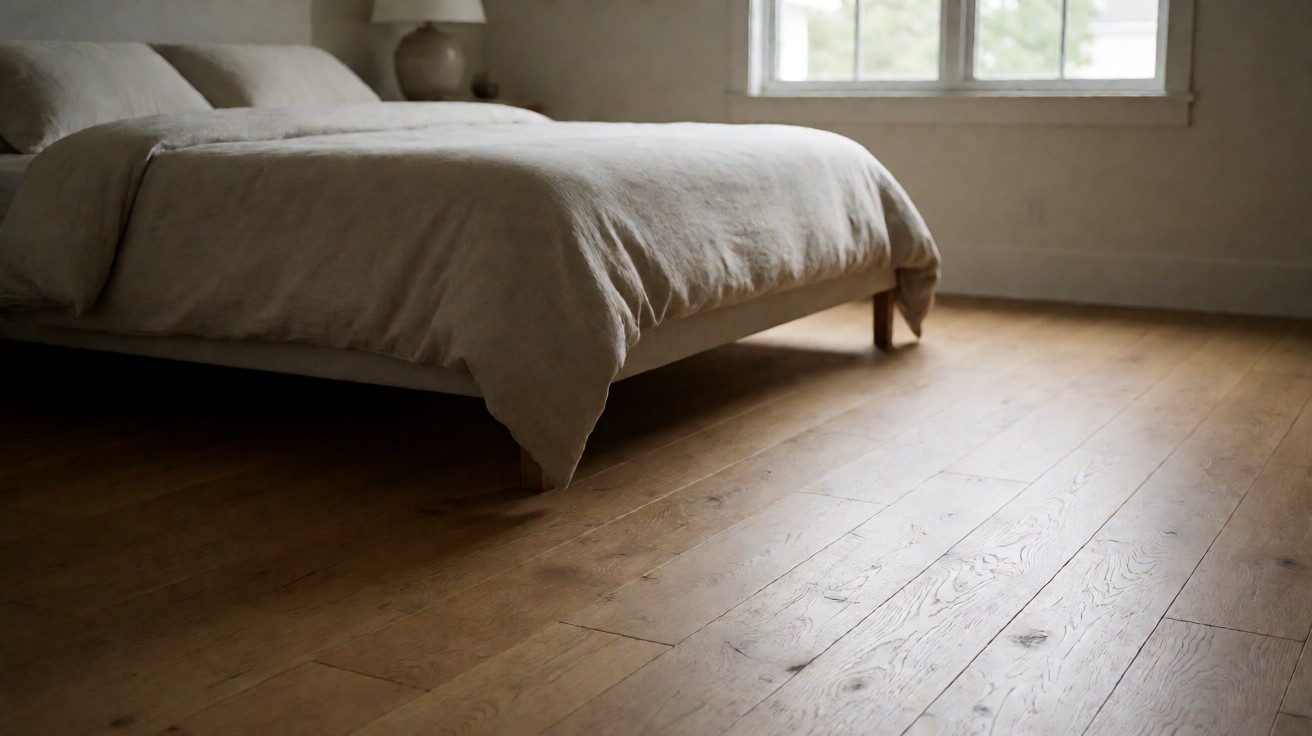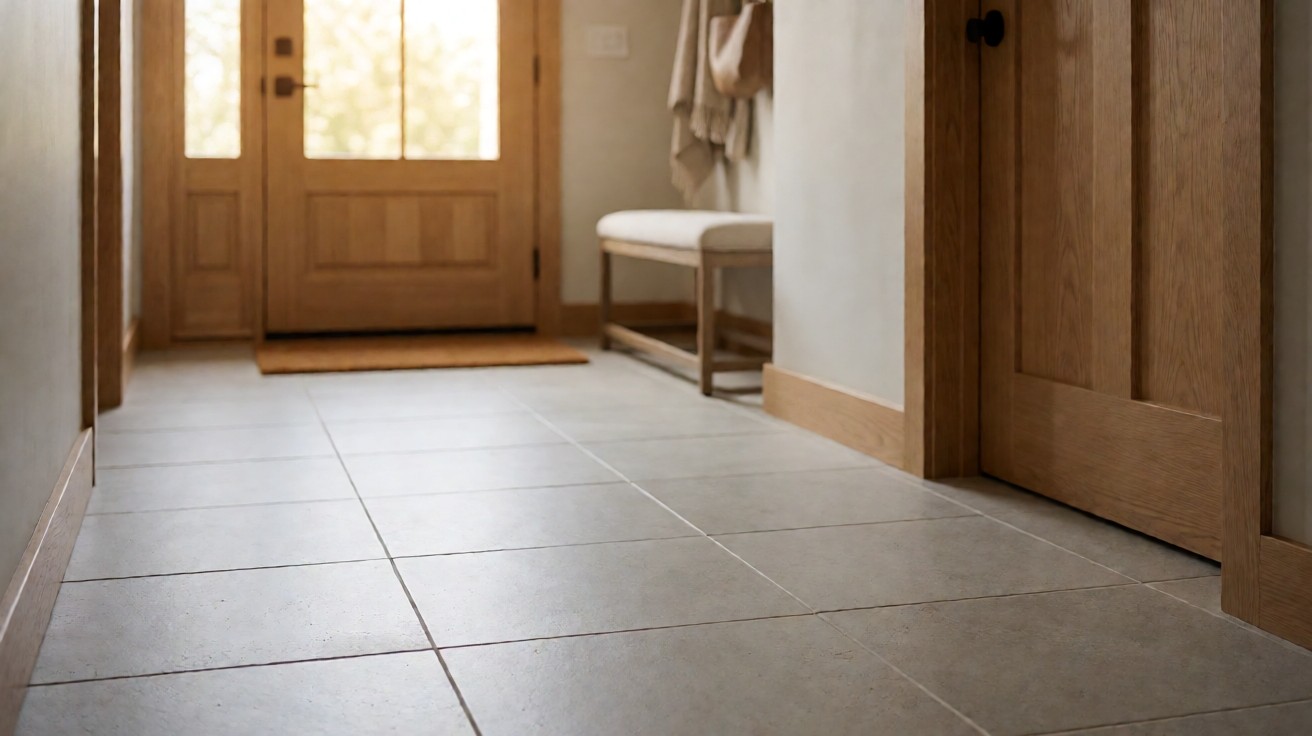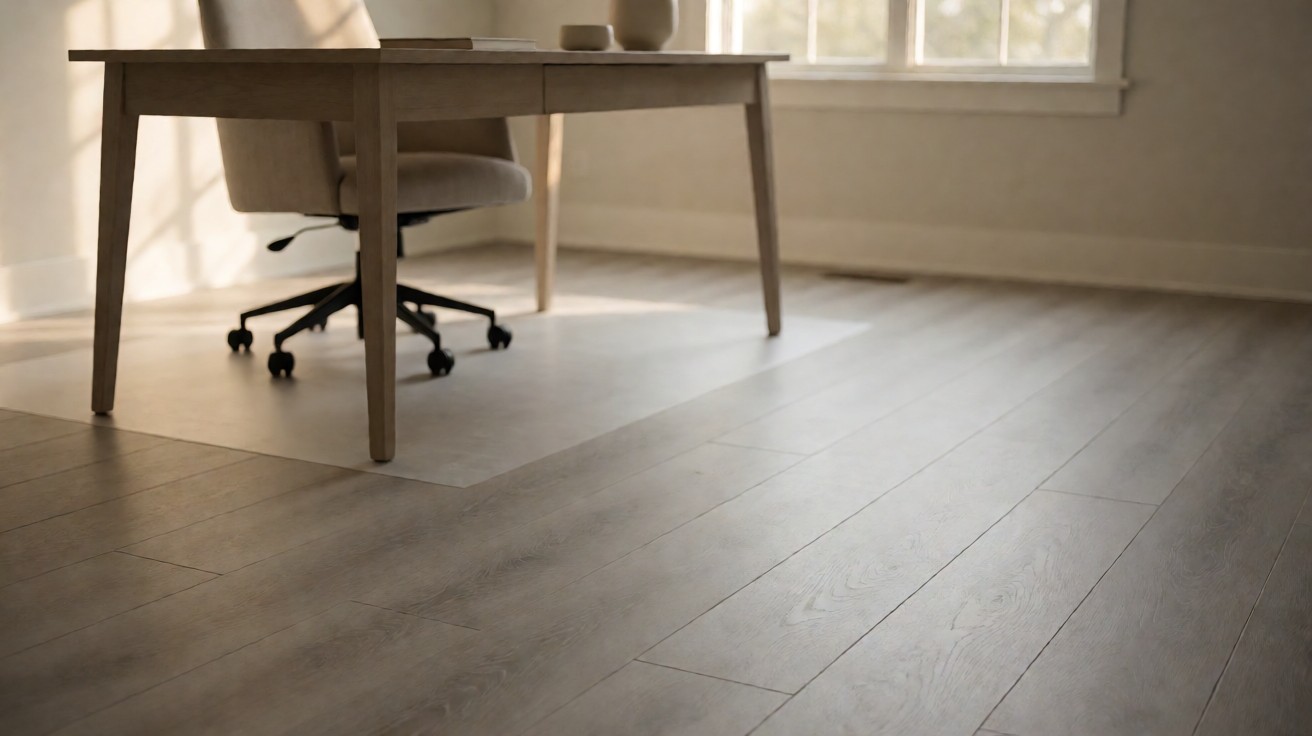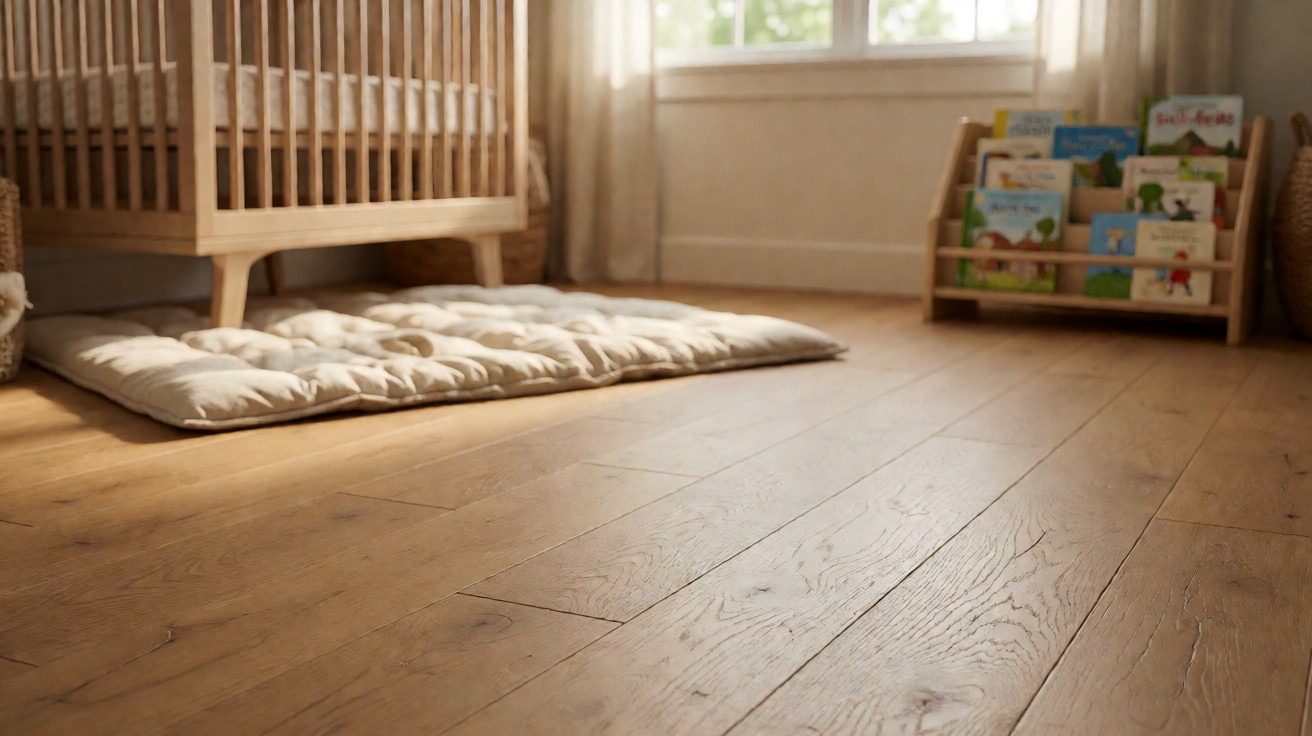

The best flooring for a nursery is the one a baby is safe on at floor level, that is warm to crawl across, and that has nothing harmful anywhere in it.
A Nursery Is the Only Room Where the Floor Is the Main Surface
A nursery is the only room in a house where the floor itself is the thing being used It is also the only room where the occupant cannot complain about what they are standing on, which is a strange way to phrase it and exactly why the choice should be made by someone else. rather than the surface something else sits on. A baby is on it. A toddler spends most of a day on it, and then a child spends the years of their childhood on it before they move to a bedroom.
That makes this the one room where the safety and comfort questions come before the appearance question, and where the appearance question is genuinely the least important of the three. It is also a room that changes function twice in five years, which is worth factoring into the choice.
The Three Questions That Decide a Nursery Floor
Three questions decide this floor and they are not the same questions that decide a living room. A living room is judged on how it looks to a visitor. This room is judged on how it feels to something that cannot yet tell you it is cold.
The first is what happens if a baby falls on it, which is about how much the surface absorbs a knock. The second is what a crawling child does to it, which is a combination of grit, drool, and the repeated dragging of toys. The third is what is in the material itself, which is an emissions question and is the one most people never ask a supplier about and should.
| The nursery’s actual condition | The family that answers it | Why it wins in this room |
|---|---|---|
| A baby who is crawling or just walking | Cork, or carpet on a firm pad | Warm, soft, and forgiving of a fall onto it |
| A nursery that gets wiped down daily | Rigid core or quality vinyl | Does not absorb, so a wipe lifts what is on it |
| A room that will be a bedroom for eight years | Engineered wood or cork | Chosen for the next eight years, not for the baby |
| A nursery in a warm climate, on a budget | Laminate | Fine while it stays dry, and the weakest on water |
| Any nursery, regardless of material | Ask the supplier | Low emission certification that names the flooring itself |
Warmth Under a Crawling Child
A cold floor is a genuine issue for a child who is on the floor for hours, and it is one of those complaints that gets raised years after the fact by parents who did not think about it at the time.
The materials that are warm to the touch are limited: cork is the warmest of the common ones, carpet is warm in a different way, and engineered hardwood sits in the middle. Tile, stone, and polished concrete are cold and stay cold, and they are wrong for a nursery in a climate with a real winter. The cork flooring page covers the warmth question in full, because cork is unusual in being warm by material rather than by adding a layer on top.
Cork, the Most Common Right Answer
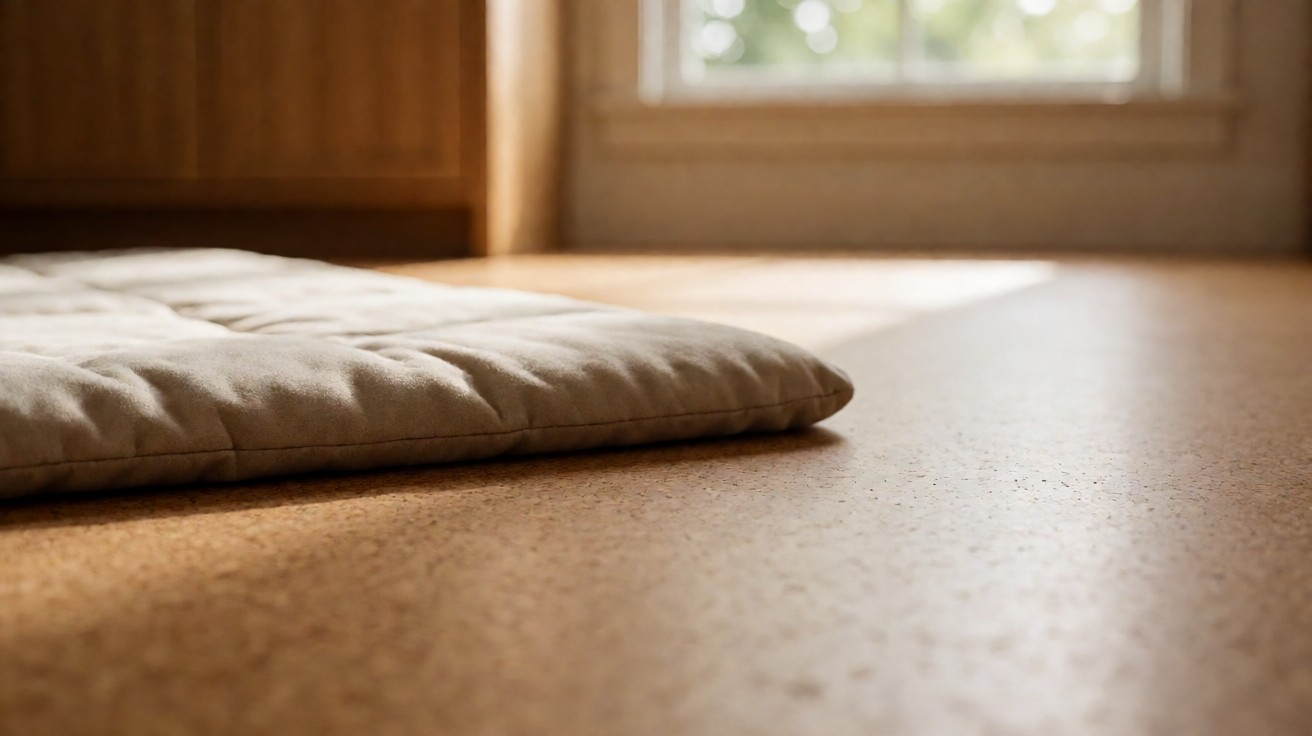
Cork is the answer most nurseries end up with and the reasons are physical. It is warm under a knee, it is soft enough that a fall onto it is a lesson rather than a mark on the child, and it is forgiving of the grit that a floor-level life drags across it constantly.
It is also the one material in a nursery that takes a dropped toy, a spilt thing, and a dragged blanket without any of it marking. The one thing it needs is a sealed finish, because an unfinished cork will take a mark from a wet cloth and a nursery is a room where wet cloths appear constantly. The cork flooring page covers the finishes and what each one does.
Carpet and the Warmest Thing Available
Carpet is the warmest material in this room and it is the traditional choice in a nursery for good reasons: it is the softest surface on the floor, it is the quietest, and it is the only one that does nothing to a falling child at all.
The costs are the ones a nursery makes worse than any other room. It collects grit from a floor-level life at a constant rate, it takes a spill and holds it, and it is the surface that a wet cloth damages rather than cleans. A dense fibre and a firm pad is what makes it work, and the carpet flooring guide covers the fibre and pad specifications that decide that.
Vinyl and Rigid Core, the Practical Answer
Rigid core and quality vinyl are the answer for a nursery that has to be wiped down, that will get juice and food on it, and that has to survive being dragged around by someone who cannot yet lift their feet properly off the floor.
The surface does not absorb, so a wipe lifts what is on it, and the wear layer takes a dragged toy without a mark. The honest reason people pick it is that it is the floor that gets cleaned most easily, and in a nursery that is a legitimate and sometimes decisive advantage over something warmer and less practical. The rigid core vinyl page and the vinyl construction guide cover the construction that decides whether it lasts.
Hardwood and Laminae, With the Honest Warning
The honest warning is that a nursery floor is a child’s bedroom floor for eight years, and it is judged for eight years on warmth and safety before it is ever judged on looks.
Hardwood is warm enough and beautiful and it will take a mark from a dragged toy that does not come out. Laminated board is cheaper and it is the family most likely to fail in a nursery, because the fibre core swells if a spill reaches it and a room with a baby in it always has a spill reaching something. The hardwood flooring guide and the laminate flooring guide cover the two constructions and what each one does with water.
Emissions and What to Ask a Supplier
This is the question that almost nobody asks It is also the one where the answer is most often available and most often not given, because the certification sits on a technical sheet rather than on the front of the box. and it is the one that matters most in a room where the occupant is on the floor and breathing at floor level for the first years of their life.
What to ask is whether the product carries a low emission certification, what it covers, and whether it covers the flooring itself or only the adhesive and the underlay. A certification that names the flooring rather than the components around it is the one worth having, and a supplier who cannot answer the question plainly is telling you something useful about the rest of their answers.
The Mat Is Not the Floor
A play mat in a nursery is a good idea and it is not a substitute for a good floor, because a mat covers the middle of a room and a baby spends most of the first year at the edges, in the corners, and against the wall where the cot and the chair are.
Those are the areas that get no mat and they are where a floor either works or does not. A warm, forgiving, cleanable floor with a mat on top of it is a better combination than a cold hard floor with the same mat, and the mat only makes the floor better when the floor is already right.
Changing the Room Without Changing the Floor
The function of a nursery changes twice in about five years: from a baby who lives on the floor, to a toddler who uses a play mat and a walker, to a child who is playing with toys and eating snacks in it. The floor has to survive all three without being replaced at each step.
That is a different requirement from the other rooms on this site, because in most of them the use is stable for twenty years. Here the use changes on a schedule, which argues for a material that is durable and cleanable rather than one that is chosen for a specific stage, and it argues against a floor that would be replaced when the function changes.
It also argues for buying the floor to the next stage rather than the current one. A floor chosen for a crawling baby that is also the floor a six year old stands on in socks is the floor that does not have to come up in between.
Cost and the Three-Year Change
The families sit where they sit everywhere, and this is a room where the budget often includes the cot, the chair, the monitor, and a change of furniture at eighteen months, so the floor is competing with a lot of other spending.
The three year change is worth thinking about because it is the reason cork and carpet and a good vinyl all get used in rooms that will later be a child’s bedroom. If the floor is chosen to be durable for eight years rather than for the baby, it does not have to be replaced when the function changes, and that is the cheaper outcome even where cork or carpet is the pricier floor up front.
| Family | Where it sits on cost | What that money buys you here |
|---|---|---|
| Cork | Middle of the five | Warmest and softest, and still right when it becomes a bedroom |
| Carpet | Middle of the five | Warmest of all, and the hardest surface to wipe down |
| Rigid core, SPC | Lower of the five | Easiest to clean and hard to mark, and only as warm as its finish |
| Engineered hardwood | Middle to higher | Warm and beautiful, and it takes a dragged toy mark |
| Laminate | Lower of the five | The cheapest, and the most likely to fail on a spill |
How to Choose, and Where to Look Next
Decide first whether the floor is being chosen for the baby or for the next eight years, because those two answers can point at different materials and the second one is the one that avoids a replacement.
Then read the material guide for the two or three that make the shortlist. The cork flooring page and the carpet flooring guide are the two that back the warm answers, the rigid core vinyl page is the one for the practical answer, and the flooring types compared page has all the families in one table. The best flooring for childrens bedrooms page covers the same floor once the child is old enough to be mopping it, and the best flooring for primary bedrooms page covers the room it usually becomes.