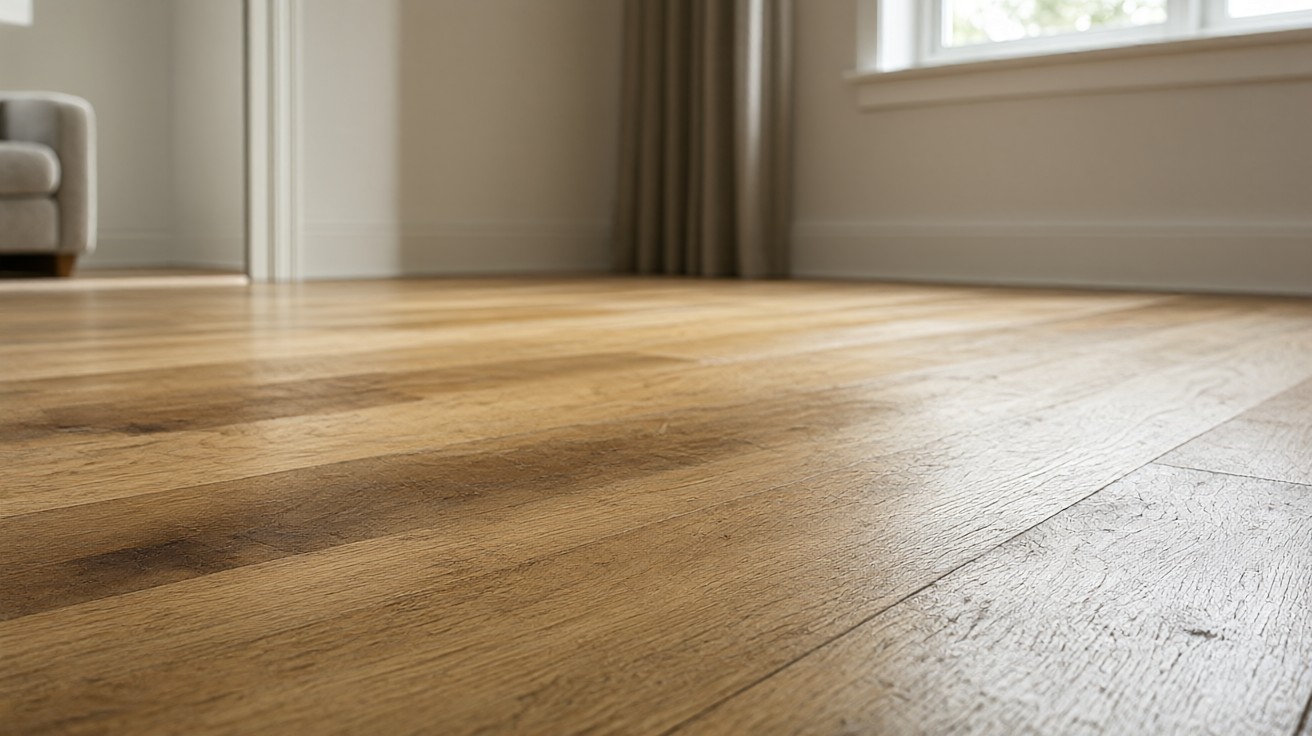
Most hardwood scratches are surface-level and can be repaired without sanding. Match the repair method to the scratch depth now please today now please.
LVP and hardwood both scratch. Identify the depth and cause before repairing, because the fix depends on it.
Types of scratches
Scratches fall into three categories. Surface scratches affect only the finish. Medium scratches cut through the finish into the wood. Deep scratches or gouges remove wood and require filling.
Surface scratches are the most common and the easiest to repair. Medium scratches need touch-up or light sanding. Deep scratches or gouges need wood filler and refinishing.
Identify the depth by running a fingernail across the scratch. If the nail catches, the scratch is medium or deep. If it does not catch, it is surface-level. Test with a fingernail before choosing a repair method.
Causes of scratches
Scratches come from furniture, pets, shoes, and grit. Furniture without pads is the leading cause. Pet claws are the second most common cause. Grit tracked in from outside acts like sandpaper. High heels and hard-soled shoes also scratch.
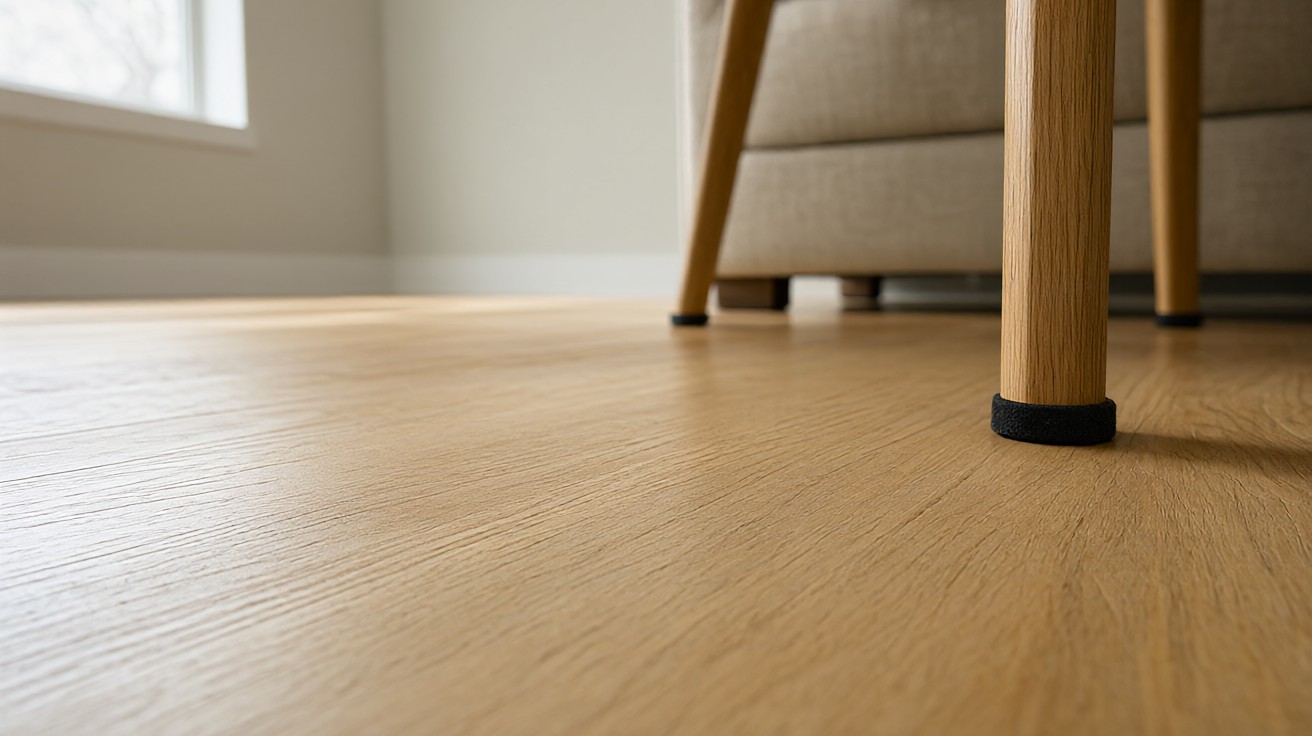
Prevention is easier than repair. Use furniture pads, trim pet nails, place mats at entrances, and remove shoes indoors. NWFA, RFCI, TCNA, and ANSI all address surface protection.
Repair: surface scratches
Surface scratches can be repaired with a touch-up marker or a hardwood floor repair kit. Clean the area first. Apply the marker or repair compound, then buff with a soft cloth. The repair blends with the surrounding finish.
For widespread surface scratches, a hardwood floor refresher or polish can restore the sheen. Apply with a microfiber mop and allow to dry. This is a maintenance step, not a repair, but it reduces the visibility of scratches.
Repair: medium scratches
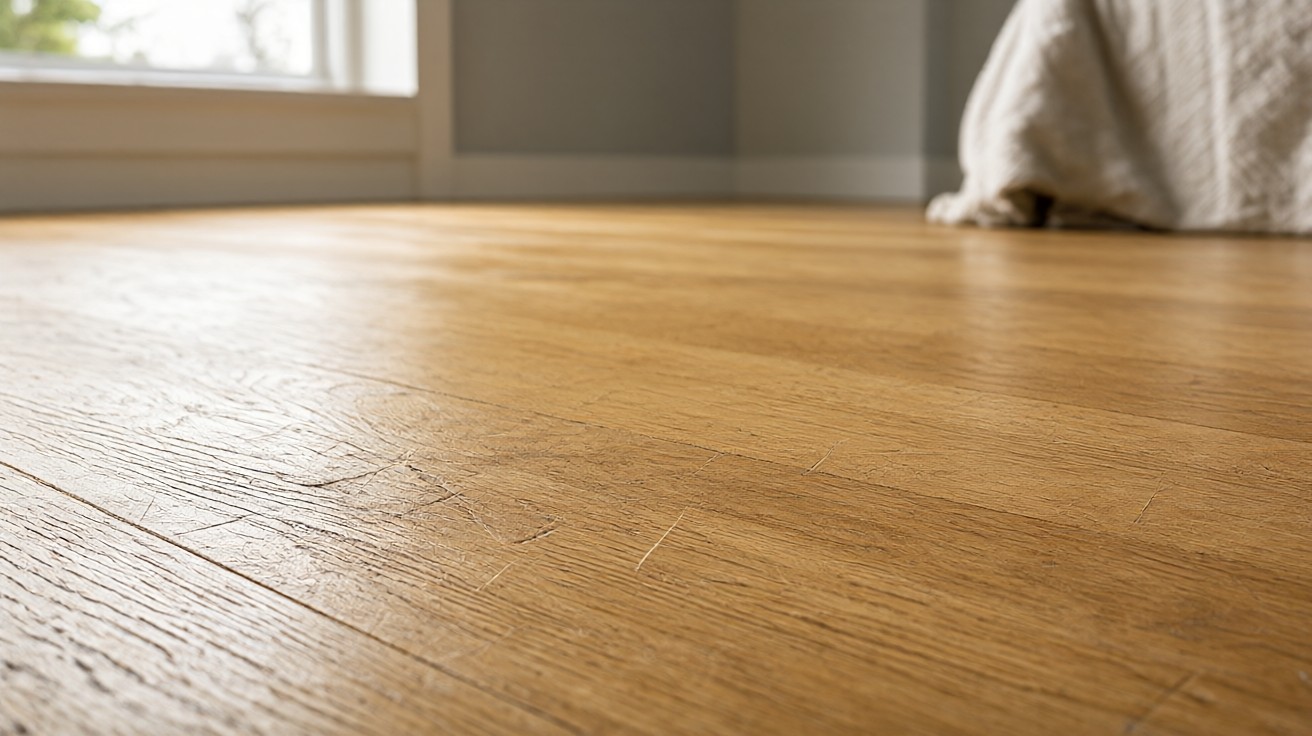
Medium scratches need light sanding and touch-up. Sand the scratch with 220-grit sandpaper, following the grain. Apply a matching stain or touch-up marker. Finish with a coat of polyurethane or the original finish type.
For a single medium scratch, a touch-up kit with stain and finish is sufficient. For multiple scratches, consider screening and recoating the entire floor.
Repair: deep scratches and gouges
Deep scratches and gouges require wood filler. Clean the gouge and apply a colour-matched wood filler. Let it dry, then sand flush with 150-grit, then 220-grit sandpaper. Apply stain and finish to match.
For severe damage, the plank may need replacement. A professional can replace individual planks without refinishing the entire floor.
Repair versus replacement
| Damage type | Repair | Replace |
|---|---|---|
| Surface scratch | Touch-up marker | No |
| Medium scratch | Sand and touch-up | No |
| Deep gouge | Wood filler and finish | Maybe |
| Multiple deep gouges | Refinish | Maybe |
| Structural damage | No | Yes |
Refinishing
When scratches are widespread, refinishing is the best option. Screening removes the top layer of finish and prepares the floor for a new coat. Full sanding removes the finish and a thin layer of wood, then applies new stain and finish.
Screening costs 1 to 3 USD per square foot. Full sanding costs 3 to 8 USD per square foot. A touch-up marker costs 5 to 15 USD. Refinishing can be done 3 to 5 times on solid hardwood, depending on thickness.
Refinishing requires the room to be empty for 3 to 7 days. Plan accordingly.
Repair costs
| Repair type | Cost range (USD) | Time |
|---|---|---|
| Touch-up marker | 5 to 15 | 15 to 30 minutes |
| Sand and touch-up | 10 to 30 | 30 to 60 minutes |
| Wood filler and finish | 15 to 40 | 1 to 2 hours |
| Screening and recoating | 1 to 3 per sq ft | 1 to 2 days |
| Full refinishing | 3 to 8 per sq ft | 3 to 7 days |
Prevention
Prevent scratches by using furniture pads, trimming pet nails, placing mats at entrances, and removing shoes indoors. Sweep or vacuum regularly to remove grit. Use a hardwood floor cleaner, not water or vinegar.
A 5 minute weekly sweep prevents most scratch damage. Grit is the leading cause of surface scratches.
When to call a professional
Call a professional when the damage is widespread, when the floor needs refinishing, or when the floor is valuable. A professional can assess whether screening or full sanding is needed.
Structural damage, such as a cracked plank, requires a contractor. Do not attempt structural repairs without proper assessment.
Diagnosis by scratch type
Surface scratches are white or light marks on the finish. They catch light but not a fingernail. Medium scratches are visible grooves that catch a fingernail. Deep scratches or gouges remove wood and show bare wood or a dent.
Match the repair to the type. Surface scratches need touch-up. Medium scratches need sanding and touch-up. Deep scratches need filler and refinishing.
Tools and materials
Repair requires touch-up markers, sandpaper (150 and 220 grit), wood filler, stain, polyurethane, and a soft cloth. A touch-up kit costs 10 to 25 USD. Sandpaper costs 5 USD. Wood filler costs 8 to 15 USD.
Advanced repair may require a random orbital sander, stain applicator, and finish applicator. These are available for rent.
Case study: scratched entryway
A homeowner notices white scratches in the entryway from grit. The scratches are surface-level. A touch-up marker and a hardwood floor refresher restore the finish. Total cost: 15 USD and 30 minutes.
If the scratches had been deeper, sanding and refinishing would have been needed. Early treatment prevented a costly repair.
Prevention and maintenance
Prevent scratches by using furniture pads, trimming pet nails, placing mats at entrances, and removing shoes indoors. Sweep or vacuum weekly to remove grit. Use a hardwood floor cleaner, not water or vinegar.
A 5 minute weekly sweep prevents most scratch damage. Grit is the leading cause of surface scratches.
Insurance and warranty
Scratched floors are usually not covered by insurance, as they are considered maintenance issues. Flooring warranties may cover defects but not wear or damage from use.
Document the damage with photos and dates. This supports warranty claims if the cause is a defect.
When to test humidity
Humidity affects hardwood floors. Low humidity causes shrinkage and gaps. High humidity causes swelling. Maintain 35 to 55 percent humidity. A hygrometer costs 10 to 30 USD.
Humidity changes can make scratches more visible by causing the wood to move. Stabilize the environment to reduce movement.
Seasonal considerations
Humidity changes with the seasons. In winter, heating dries the air and floors shrink. In summer, humidity rises and floors swell. Maintaining indoor humidity between 35 and 55 percent year-round prevents both.
A humidifier in winter and a dehumidifier in summer stabilize the environment. This is especially important for solid hardwood.
When to call a professional
Call a professional when the damage is widespread, when the floor needs refinishing, or when the floor is valuable. A professional can assess whether screening or full sanding is needed.
Structural damage, such as a cracked plank, requires a contractor. Do not attempt structural repairs without proper assessment.
Long-term monitoring
After repair, monitor the floor for 30 days. Check that the repair holds. Re-apply touch-up if needed. Keep a log of observations with dates and photos.
A log helps identify patterns and supports warranty claims. Good records save time on future repairs. Keep a maintenance log.
Cost expectations
DIY repair costs 5 to 40 USD in parts and takes 15 minutes to 2 hours. Professional repair costs 150 to 500 USD including parts and labour. A professional assessment costs 75 to 150 USD.
DIY repair is reasonable for minor scratches. Widespread damage or refinishing warrants professional help.
Common mistakes
Using the wrong touch-up colour makes the repair visible. Sanding too aggressively removes too much finish. Skipping the finish coat leaves the repair unprotected. Using water or vinegar on hardwood damages the finish.
Each mistake is avoidable with diagnosis and patience. Match the repair to the scratch depth.
Documentation
Keep records of the repair, including photos and receipts. This documentation supports future warranty claims and helps a professional understand the history if further work is needed.
Good records also help when selling the home. Buyers appreciate documented maintenance history. Keep a maintenance log for future reference. Update it regularly and consistently always now please today now please now please now please now please now please now please now please now.
Safety
Flooring repairs involve sharp tools and dust. Wear safety glasses and a dust mask. Keep the work area clear of traffic until the repair is complete.
Long-term monitoring
After repair, monitor the floor for 30 days. Check that the repair holds. Re-apply touch-up if needed. Keep a log of observations with dates and photos.
A log helps identify patterns and supports warranty claims. Good records save time on future repairs. Keep a maintenance log.
Insurance and warranty
Scratched floors are usually not covered by insurance, as they are considered maintenance issues. Flooring warranties may cover defects but not wear or damage from use.
Document the damage with photos and dates. This supports warranty claims if the cause is a defect. Good records also help when selling the home.
When to test humidity
Humidity affects hardwood floors. Low humidity causes shrinkage and gaps. High humidity causes swelling. Maintain 35 to 55 percent humidity. A hygrometer costs 10 to 30 USD.
Humidity changes can make scratches more visible by causing the wood to move. Stabilize the environment to reduce movement.
Seasonal considerations
Humidity changes with the seasons. In winter, heating dries the air and floors shrink. In summer, humidity rises and floors swell. Maintaining indoor humidity between 35 and 55 percent year-round prevents both.
A humidifier in winter and a dehumidifier in summer stabilize the environment. This is especially important for solid hardwood.
Tools for diagnosis
A basic diagnostic kit includes a flashlight and a magnifying glass. A flashlight helps inspect dark areas. A magnifying glass helps identify scratch depth.
Advanced diagnosis may require a moisture meter. These are available for rent. Renting is cheaper than buying for one-time use.
Cost expectations
DIY repair costs 5 to 40 USD in parts and takes 15 minutes to 2 hours. Professional repair costs 150 to 500 USD including parts and labour. A professional assessment costs 75 to 150 USD.
DIY repair is reasonable for minor scratches. Widespread damage or refinishing warrants professional help.
Long-term monitoring
After repair, monitor the floor for 30 days. Check that the repair holds. Re-apply touch-up if needed. Keep a log of observations with dates and photos.
A log helps identify patterns and supports warranty claims. Good records save time on future repairs. Keep a maintenance log.
Summary
Most hardwood scratches are surface-level and can be repaired without sanding. Match the repair method to the scratch depth. Use touch-up markers for surface scratches, sanding and touch-up for medium scratches, and wood filler for deep gouges. For general problems, see flooring problems: causes, diagnosis, and repair. For transition issues, see flooring transitions between rooms and levels.