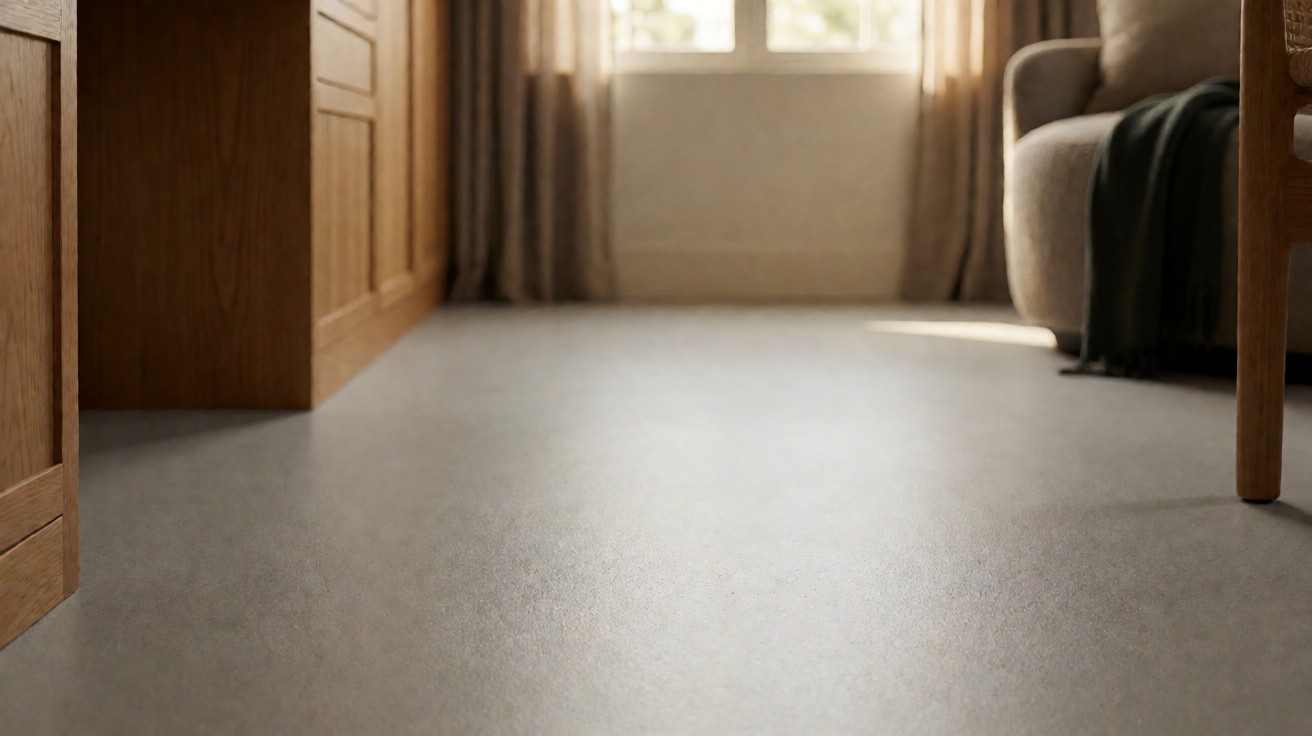

Rubber flooring has moved from commercial gyms and warehouses into residential use, but most homeowners have no clear sense of what to look for before buying it for a home. The material is durable, it is naturally slip-resistant, it is easy to maintain, and it has a long functional life that is unmatched by any other residential flooring material. But those properties are exactly why rubber was designed for commercial and industrial settings, and the residential version has to be specifically engineered to sit comfortably in a home. The difference between a gym-grade rubber floor and a residential rubber floor is not trivial: the thickness, the surface texture, the backing, and the color options are all different, and buying the wrong one for a home is a common mistake that shows up in complaints a year later.
What Residential Rubber Flooring Actually Is
Residential rubber flooring is a sheet or tile product made from a blend of natural rubber, synthetic rubber, and recycled rubber particles, pressed into a dense, non-porous surface that is 3/16 to 1/2 inch thick. The residential version is specifically different from the commercial gym roll in three ways.
First, the thickness: residential rubber is 3/16 to 1/4 inch for sheet format and 3/8 to 1/2 inch for tile format, which is thinner than the 1/2-inch commercial gym rolls. Second, the surface: residential rubber has a textured, low-profile granular surface that is slip-resistant but not aggressive, unlike the deep-textured commercial gym surface that is designed to grip athletic shoes. Third, the color range: residential rubber comes in a wider palette of muted, home-friendly colors, while commercial rubber is available in high-visibility safety colors. The product to look for is labeled explicitly for residential use; the commercial rolls are not suitable for a home and will look and feel wrong.
Why Rubber Works in a Home
The material properties of rubber that make it ideal for a gym are exactly what a residential homeowner needs in a few specific rooms. Rubber is naturally non-porous, which means liquids sit on the surface and can be wiped up rather than being absorbed into the material and creating a staining or mold problem. This makes rubber the best option for a laundry room, a mudroom, a basement rec room, a home gym, or any room that gets wet regularly.
Rubber is also naturally slip-resistant: the granular texture grips bare feet, socks, and shoes in a way that tile, vinyl, and hardwood do not. For a home with young children, elderly residents, or pets that track water indoors, the slip-resistance alone is a meaningful safety advantage. And the durability is the standout: a residential rubber floor installed in 2010 in good condition is still in the same condition today, which is not true for any other residential flooring material.
For a broader look at how rubber compares to other residential materials, the flooring types comparison covers the full range of residential flooring options and how each one performs in a specific room.
Sheet Format Versus Tile Format
Rubber flooring comes in two main residential formats: sheet, which is installed in 6-foot or 12-foot rolls that are cut to fit the room, and tile, which is installed in 12-by-12 or 18-by-18 squares laid in a grid. The sheet format is the better choice for most residential rooms: it produces a continuous surface with no grout lines, it is cheaper per square foot, and it is easier to install because it is set with a full-spread adhesive rather than placed tile by tile.
The tile format is better for a room that is going to need occasional repair, because a single damaged tile can be lifted and replaced without disturbing the surrounding floor. Sheet rubber is the right choice for a basement, a laundry room, or a home gym; tile rubber is the right choice for a mudroom or entryway where a single tile might need to be swapped out periodically. The color range is wider in tile format, and the tile format is also more available in muted, home-friendly colorways, which matters for a residential space that is not a pure utility room.
| Format | Thickness | Installation | Best Residential Use |
|---|---|---|---|
| Sheet, 6-foot roll | 3/16 to 1/4 inch | Full-spread adhesive | Basements, laundry rooms, home gyms |
| Sheet, 12-foot roll | 1/4 to 3/16 inch | Full-spread adhesive | Large open-plan spaces |
| Tile, 12×12 | 3/8 to 1/2 inch | Loose-lay or adhesive-set | Mudrooms, entryways, kitchens |
| Tile, 18×18 | 1/2 inch | Adhesive-set | Commercial-light residential, home gyms |
Installation Requirements
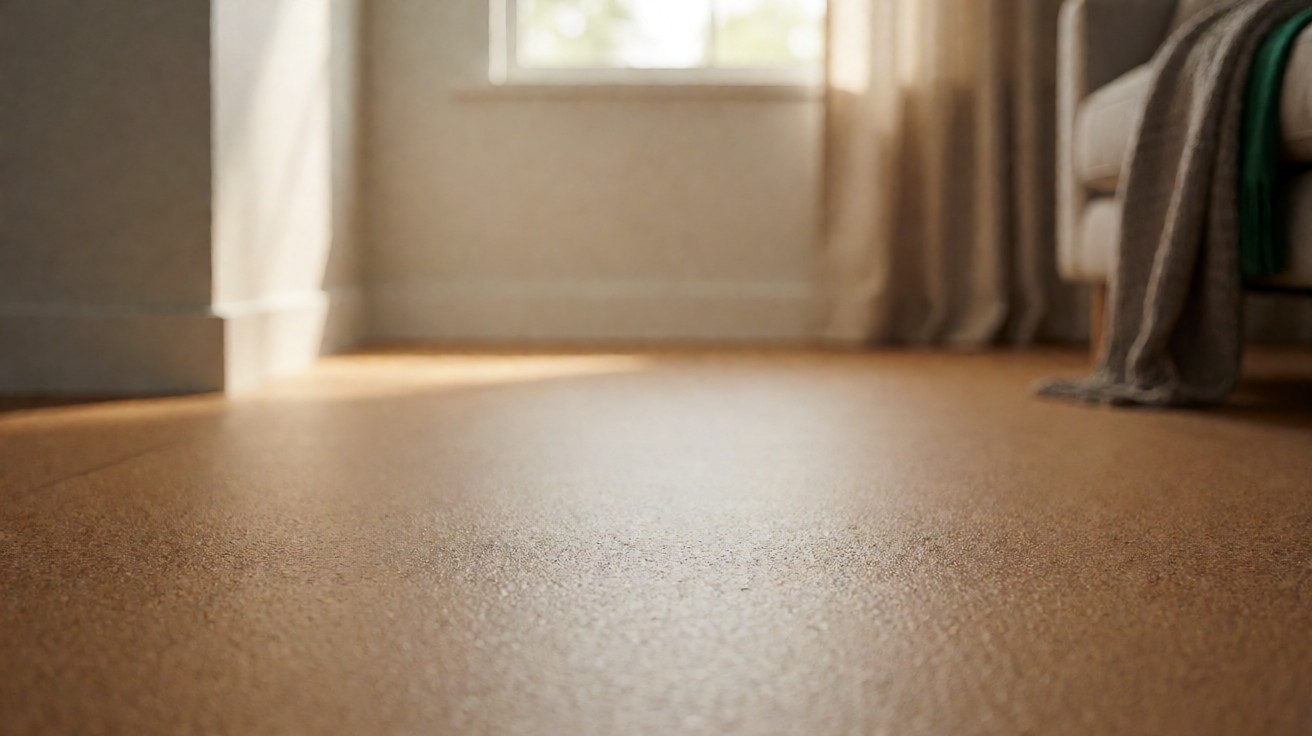
Rubber flooring installation is straightforward but has specific requirements that differ from other flooring types. The subfloor must be structurally sound, level within 1/4 inch over 10 feet, and free of moisture. For sheet rubber, the subfloor must also be smooth, because any high spot or dip will telegraph through the 3/16-inch material and show up as a visible contour in the finished floor.
The adhesive is a water-based or solvent-based flooring adhesive, and the choice depends on the subfloor: water-based is for concrete and plywood, solvent-based is for existing hardwood or tile subfloors. The sheet is laid in an L-shape pattern starting from the longest, most visible wall, and the seams are butted tightly and sealed with a rubber seam tape that is matched to the floor color. For tile format, the tiles are set in a grid with 1/16-inch spacers, and the grout is a flexible rubber grout that is not the same as tile grout.
The installation is not a DIY project for most homeowners: the adhesive spread, the seam sealing, and the tile spacing all require the kind of consistency that a professional installer provides, and the cost difference between DIY and professional is small relative to the cost of the material.
Comfort, Noise, and Underfoot Feel
The underfoot feel of rubber is something that surprises people who have only known it as a gym floor. In a residential thickness, rubber is soft enough to stand on for extended periods without the knee strain of a tile or hardwood floor, and the natural cushioning is a genuine comfort advantage for a kitchen, a laundry room, or a home office where you are on your feet for long stretches.
The cushioning effect is also meaningful for joint health: standing on rubber for an hour a day over a year of regular use is measurably easier on the knees and lower back than standing on tile or hardwood for the same duration. The noise profile is also favorable: rubber is one of the quietest residential flooring materials available, and it deadens impact noise in a way that is noticeable when you have rooms stacked vertically. For a home with a bedroom over a garage or a living room over a basement that gets used as a gym, rubber on the upper floor is the most effective impact-noise reduction that a flooring material can provide without a separate acoustic underlayment.
The thermal conductivity of rubber is higher than wood, which means a rubber floor in a room with radiant floor heating feels the heat more evenly than a wood floor does, and the floor stays comfortable to walk on barefoot in a cold basement. The STC (Sound Transmission Class) rating for a 1/4-inch rubber floor is typically 50 to 55, which is higher than hardwood, laminate, or vinyl at the same thickness.
Color, Finish, and Aesthetic Considerations
The aesthetic limitation of residential rubber is real: the material reads as a utility material, and it will always look slightly more functional than beautiful. The muted color range in residential rubber is a deliberate design choice: the colors are available in charcoal, slate, terracotta, and a limited range of earth tones, none of which are bright or decorative. The finish is matte or semi-matte, and the granular texture is visible at close range even when the floor is clean and well-maintained.
For a room that is a primary living space, this is a real constraint: a kitchen or dining room in a home where the design is a priority is a bad fit for rubber. For a basement, a mudroom, a laundry room, a home gym, or a garage that is used as a workshop, the functional properties of rubber outweigh the aesthetic limitation, and the muted color range is actually an advantage because it does not compete with the other design elements in the room. The one aesthetic win for rubber is that it does not show dirt, scuffs, or foot traffic the way a light-colored vinyl or laminate floor does. A charcoal rubber floor in a high-traffic area looks clean for weeks in a way that a light vinyl floor does not.
Longevity, Maintenance, and Replacement
A residential rubber floor installed correctly will last 30 to 50 years in a normal residential setting, which is the longest functional lifespan of any residential flooring material. The maintenance is the lowest of any option: a dry mop for daily cleaning, a damp mop with a pH-neutral cleaner for periodic cleaning, and no sealing, waxing, or refinishing.
The one maintenance consideration is the seams on sheet rubber: over 10 to 15 years, the seam tape can start to lift at the edges, particularly in high-traffic areas, and a re-seal of the seams is a simple task that extends the floor life significantly. For tile format, the individual tiles can be lifted and replaced if they are damaged, which is the practical advantage of the tile format for a room that gets hard use. The end-of-life of a rubber floor is also better than most: the material can be recycled into rubber crumb for sports surfaces, playgrounds, and commercial applications, and several manufacturers have a take-back program for old residential rubber flooring.
| Room | Recommended Format | Thickness | Key Consideration |
|---|---|---|---|
| Basement rec room | Sheet | 3/16 inch | Moisture barrier required |
| Laundry room | Sheet or 12×12 tile | 3/16 to 1/4 inch | Slip resistance in wet area |
| Home gym | 18×18 tile or 1/4-inch sheet | 1/4 to 1/2 inch | Impact absorption for heavy equipment |
| Mudroom | 12×12 tile | 3/8 to 1/2 inch | Easy tile replacement for wear spots |
| Garage/workshop | 1/4-inch sheet | 1/4 inch | Chemical resistance, tool drop tolerance |
Cost Per Square Foot and Budget Planning
Residential rubber flooring costs $4 to $10 per square foot for material, depending on the format, thickness, and brand. Sheet rubber is on the lower end of that range, and 18-by-18 tile is on the higher end. The installation cost for sheet rubber is typically $1.50 to $3 per square foot, and for tile format it is $2 to $4 per square foot. For a 12-by-15-foot laundry room, the total all-in cost of a residential rubber floor is typically $900 to $2,100, which is in line with a mid-range tile or vinyl install.
The cost comparison to alternative materials is not straightforward: rubber costs more upfront than a standard vinyl or laminate floor, but the 30-to-50-year lifespan and the near-zero maintenance cost mean the 30-year total cost of ownership is significantly lower. For a room that is going to be a wet room or a high-traffic utility space for the life of the home, rubber is the more economical choice even at the higher upfront cost.
Rubber Versus Cork in Wet Rooms
Cork is the most common alternative to rubber for wet rooms, and the two materials are often compared. The distinction is real: cork is a natural material that absorbs moisture, which makes it less suitable for a room that gets wet regularly. Rubber is non-porous and does not absorb moisture, which makes it the better choice for a laundry room, a bathroom, or a mudroom that gets water on a regular basis. For a wet room, rubber is the right material; for a dry room where the underfoot feel is the priority, cork is a better choice. The tile finish comparison covers the related question of how different surface treatments affect durability and maintenance in wet spaces, which is the same principle that applies to rubber.
The one place where cork wins over rubber is aesthetics: cork reads as a warm, natural material in a living room or bedroom, while rubber reads as a utility material. For a primary living space, cork is the better design choice; for a wet room or a utility space, rubber is the better functional choice.
When Rubber Is the Wrong Choice for a Room
Rubber is not the right material for a primary living space where the design is a priority. The muted color range, the granular texture, and the functional look of rubber make it a difficult sell for a living room, a dining room, or a primary bedroom in a home where the aesthetic is a concern. For those rooms, the better options are hardwood, laminate, or a light-colored vinyl floor that reads as a design choice rather than a utility material.
Rubber is also the wrong choice for a room that gets a lot of direct sunlight, because the heat can cause the rubber to soften and deform over time. A sunroom or a room with large south-facing windows is a problematic location for rubber. The one room where rubber is almost always the right choice is the basement, because the combination of moisture, temperature variation, and the need for a durable, low-maintenance floor makes rubber the only material that checks all the boxes for that specific application.
Residential Rubber Flooring Brands and Where to Buy
Residential rubber flooring is available from a smaller number of manufacturers than most other flooring materials, which means the selection is more limited but the quality is generally more consistent. The major residential rubber floor brands include Armstrong Rubber, Resilient Floor Covering Institute (RFCI) certified manufacturers, and a small number of European brands that ship in residential formats. Most flooring retailers stock at least one residential rubber floor option, and several online flooring retailers offer residential rubber sheet and tile in a range of colors and thicknesses.
When comparing brands, the key specifications to look for are the thickness, the recycled content percentage, the slip-resistance rating, and the warranty period. A residential rubber floor with a 10-year or 15-year manufacturer warranty is the standard, and brands that offer a lifetime warranty are the premium option. For a home gym or a high-traffic utility room, the 15-year warranty brands are worth the small premium because they are the ones that will still look and perform well at the end of the warranty period.