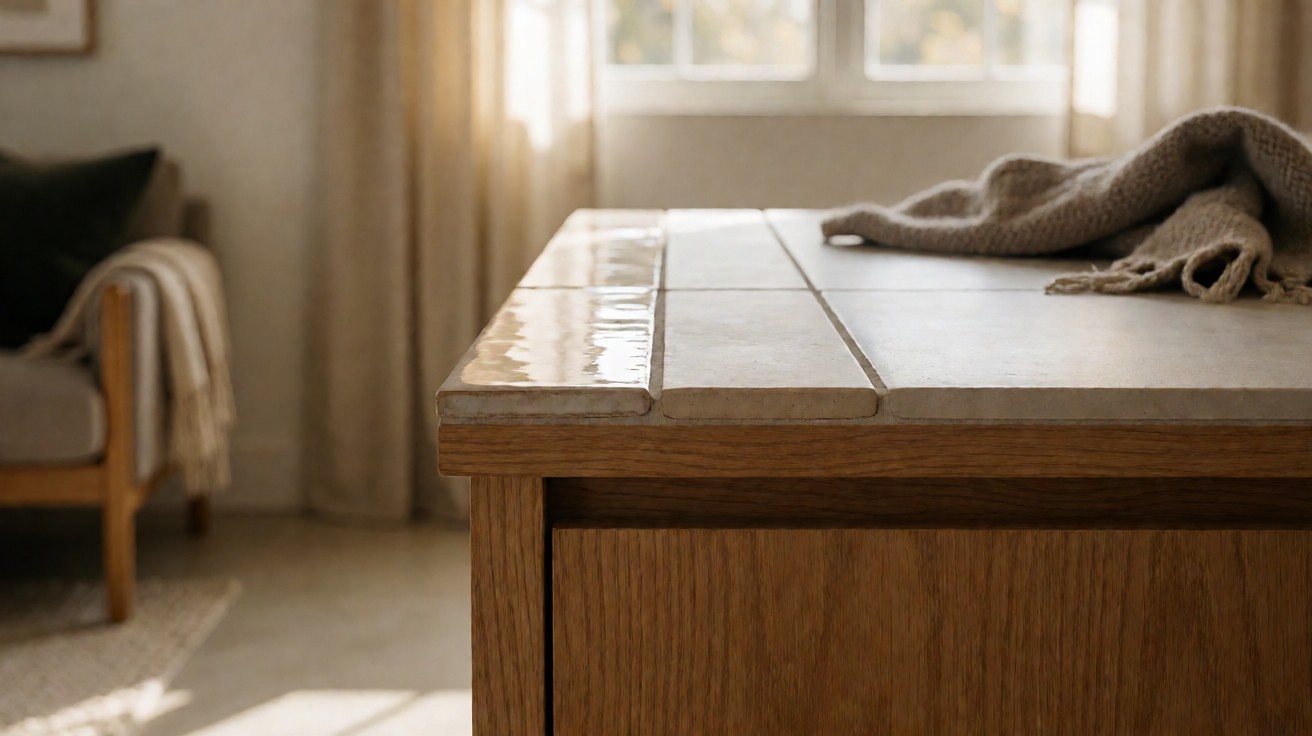

Glazed and unglazed tile look and behave differently because of one component: a glass-like coating fired onto the face of the tile. Glazed tile wears that coating, so its colour and stain resistance come from a thin layer of glass. Unglazed tile has no such layer, so the clay body itself is the surface you see, touch, and spill on.
Once you know the tile has a glaze, the surface sheen is a second decision, and the polished versus honed versus matte finish comparison covers it.
That single difference explains almost everything about how each behaves. A glaze wipes clean and can chip or craze. An unglazed body cannot chip its glaze, because it has none, but it is porous, so it drinks in spills unless it is sealed. Neither is better; they suit different rooms and different levels of maintenance.
This guide covers the glaze decision across both ceramic and porcelain. It assumes you have settled the tile-versus-other-material question and understand the basic body types; if not, start with the tile guide or the material comparison linked below.
Glazed vs. Unglazed Tile: The Short Answer
Choose glazed tile for kitchens, bathrooms, entryways, and any floor where easy cleaning and stain resistance matter most. Glazed is the default for most modern tile because the surface does not absorb what you spill on it.
Choose unglazed tile when you want through-body colour, a more handcrafted or traditional look, or a naturally slip-resistant surface, and you are willing to maintain a sealer. Unglazed is the traditional choice for craft tile, terracotta, and many stone-look products.
The middle path is double-burn porcelain, a hard porcelain body with a glaze fired onto its face. You get the easy-clean glaze on the most durable body, which is why it has become the most common floor tile in busy rooms.
What a Glaze Actually Is
A glaze is a glass-forming coating, essentially a liquid ceramic, sprayed or pressed onto the face of a tile before the final firing. During that firing the coating melts and fuses to the body, hardening into a smooth, non-porous surface. It is the same idea as glazing a piece of pottery, applied at an industrial scale.
Because the glaze is glass, it is non-porous. That is the whole reason glazed tile is so easy to keep clean: a spill sits on the glass rather than soaking into the clay. The colour you see on a glazed tile is also usually in the glaze, which is how a single clay body can be sold in hundreds of colours.
Because the colour and the surface are a fired coating rather than the body, a glazed tile has two layers that can behave differently over time. The body provides strength, the glaze provides appearance, and the glaze is the layer that can craze or chip.
How Glazed and Unglazed Differ in Appearance
Glazed tile has its colour and pattern sitting on the surface, so it looks consistent, smooth, and slightly reflective by default. It is how most porcelain and ceramic floor tile is made, and it is why glossy and marble-look effects are so easy to produce in ceramic.
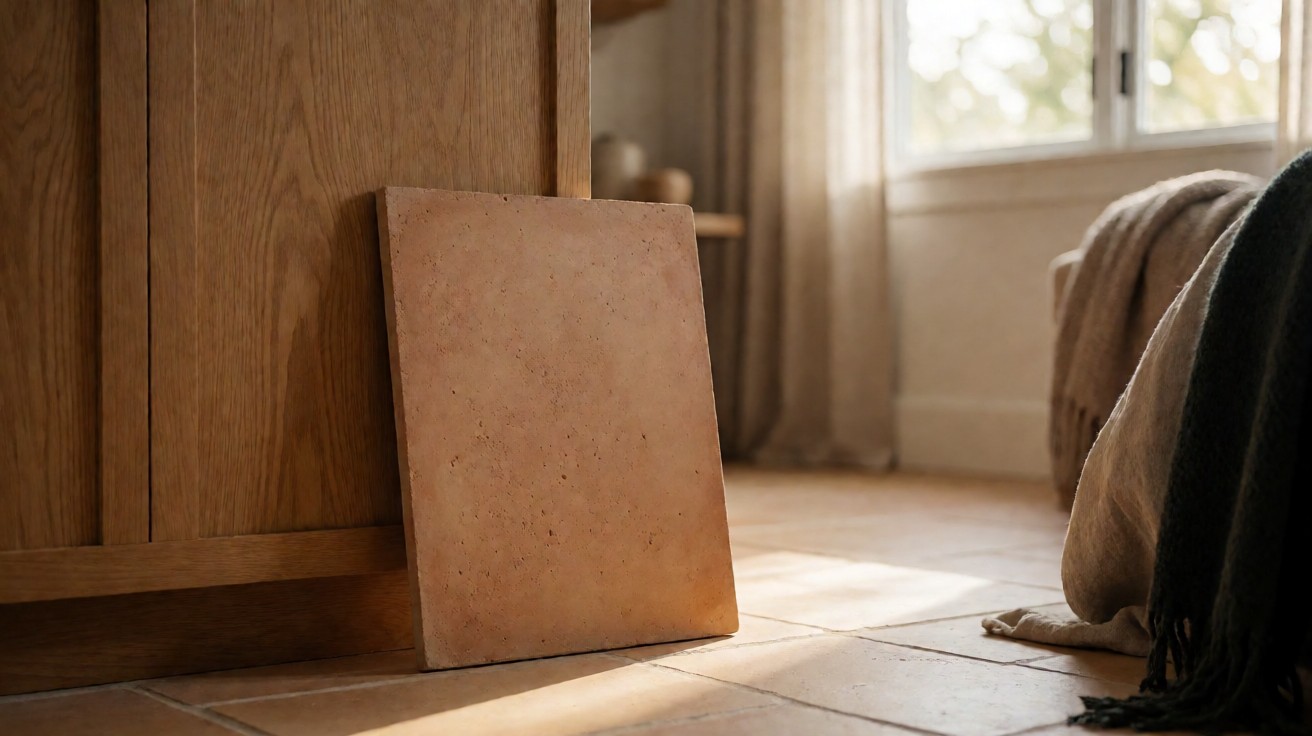
Unglazed tile has its colour running all the way through the body. This gives a depth and variation that a surface glaze cannot match, because the colour is not a coating that can chip away. Unglazed surfaces usually read as matte and earthy, which is part of their appeal.
The visual difference is the honest test. Glazed says finished and precise; unglazed says natural and hand-made. Neither is a quality signal on its own, because a good unglazed tile is a deliberate, premium choice and a cheap glazed tile can look plastic.
Stain Resistance and the Unglazed Sealing Routine
This is the practical heart of the decision. A glazed tile, because it is glass on the surface, resists the things a household actually spills: grease, wine, coffee, paint. A wipe usually does it. This is why glazed tile is the sensible default for a kitchen floor.
Unglazed tile absorbs. Unsealed, an unglazed body can take in oil, water-based stains, and colour over time, especially along the edges and in the pores of a matte surface. Sealing it with a penetrating sealer slows this to near zero, but it is a maintenance task that has to be repeated on schedule.
The honest way to weigh this is maintenance frequency. A sealed unglazed floor in a low-traffic room is a set-and-forget floor after the initial seal. An unsealed unglazed floor in a busy kitchen is a floor you will regret. Read the product literature for the sealer the specific tile needs, because dense porcelain bodies seal differently from porous terracotta.
Slip Resistance: Why Unglazed Is Often Safer
Wet floors slip, and slip resistance is a safety issue, especially in bathrooms and entryways. This is where unglazed tile often has a quiet advantage: because there is no smooth glass layer, the matte clay surface naturally has more texture and grips better when wet.
A glossy glazed tile is the most slippery tile you can install. A matte-glazed tile is better, and many manufacturers now produce matte glazes specifically to improve grip. But a genuinely unglazed, matte body still tends to read as more slip-resistant than a glaze of any sheen.
If slip is a real concern in your household, do not rely on appearance. The tile guide covers the DCOF rating and how to check it, and it is a measured number rather than a guess from a photo.
Durability: Chipping, Crazing and Wear
The durability story runs in two directions, because the layers can fail in different ways. A glazed tile’s weak point is the glaze itself. It can craze, which is a fine network of surface cracks that usually happens with age and thermal movement, and it can chip if something hard strikes an edge, exposing the body beneath.
An unglazed tile has no glaze to craze or chip. Its surface is one continuous piece of fired clay, so a dropped tool leaves a scuff rather than a chip that exposes a different-coloured layer. That is a genuine durability advantage in a rough-use room.
The counterpoint is that the bare body is more prone to surface wear and staining if unsealed. So the honest summary is: glazed protects against stain and is easier to keep pristine, unglazed protects against chipping and looks more natural, and neither wins every dimension.
Where Glazed Wins and Where Unglazed Wins
Glazed wins the kitchens, bathrooms, laundry rooms, and entryways, anywhere the priority is not having to think about what got spilled. It is also easier to match between rooms, because the colour is controlled by the glaze rather than by the clay.
Unglazed wins the rooms where a handmade or historical look is the point, where slip matters more than stain, and where you want a floor that ages by patina rather than by wear. Craft tile, terracotta, and many limestone-look products are unglazed for exactly these reasons.
The summary is below.
| Factor | Glazed tile | Unglazed tile |
|---|---|---|
| Surface | Fired glass-like glaze on the face | Bare fired clay body |
| Colour location | In the surface glaze | Through the body |
| Stain resistance | High, no sealing needed | Low, needs a sealer |
| Slip resistance when wet | Lower on glossy, higher on matte glaze | Naturally higher, matte |
| Chipping | Glaze can chip at edges | No glaze to chip, surface scuffs |
| Crazing over time | Possible in the glaze | Not applicable |
| Cleaning | Easy, standard household cleaner | pH-neutral care, no harsh acids |
| Best in | Kitchen, bath, laundry, entryway | Craft tile, traditional, high-slip areas |
It is worth adding the body dimension, because glazed and unglazed are not the same choice on every material. The glaze question and the body question combine into four practical combinations.
| Combination | Surface behaviour | Sealing needed? | Typical use |
|---|---|---|---|
| Glazed ceramic | Glass surface, colour from glaze | No | Walls, light-traffic floors |
| Double-burn porcelain | Glass surface on a dense body | No | Most busy floor tile |
| Unglazed porcelain | Dense matte body, colour through | Rarely, often not | Commercial floors, wet rooms |
| Unglazed terracotta | Porous matte clay body | Yes, on a schedule | Craft tile, traditional floors |
The second table is the practical takeaway. A double-burn porcelain tile is the most common way to get an easy-clean glazed surface on a body that resists water, and it is why glazed tile has largely replaced unglazed in modern kitchens. Unglazed survives in the market precisely where its through-body colour and natural grip are the point, and where a homeowner accepts the sealing routine.
How to Tell Glazed from Unglazed in a Showroom
Run a fingernail across the face. A glazed tile feels smooth and hard with no give; an unglazed matte tile has a faintly gritty, porous feel under the nail. The difference is subtle but it is real and it is the fastest showroom test.
Look at the cut edge of a sample. A glazed tile shows a clear colour layer sitting on top of a differently coloured body. An unglazed tile shows a single continuous colour all the way through, because the body is the surface.
Ask whether the tile needs sealing and how often. A manufacturer that expects you to seal the product will say so plainly. A tile that needs no sealer because it is glazed will say that too. If the answer is vague, that is itself information about the product.
Is unglazed porcelain the same as unglazed ceramic?
They are both unglazed, but the bodies are different. Unglazed porcelain is fired at much higher temperature, so it vitrifies into a very dense, very non-porous body that often needs no sealer at all. Unglazed ceramic is fired lower, stays more porous, and almost always needs sealing. The glaze is the same idea, absent in both, but the bodies behave very differently.
Is Unglazed Tile the Same as a Sealed Tile?
Sealing does not turn unglazed into glazed, and it is worth being clear about that. A sealer is a clear, penetrating treatment that slows absorption from inside the pores.
It does not create a glass layer on the surface, so it does not give the easy-clean, chip-resistant surface that a glaze provides. It makes an unglazed tile much easier to live with, but it is a different solution to a different problem.
How This Connects to the Rest of the Tile Choice
The glaze decision is one layer of the tile decision, and it sits alongside the body type, the wear rating, and the room. Buying unglazed only makes sense once you are confident you will keep up the sealing routine for the room you choose it for.
The complete tile flooring guide covers how tile is made, the PEI wear rating, water absorption, slip resistance, and how to choose tile per room. If the body type is still undecided, start with how porcelain and ceramic bodies differ in water absorption and density, which the tile flooring guide covers, because the body determines what the glaze is sitting on.
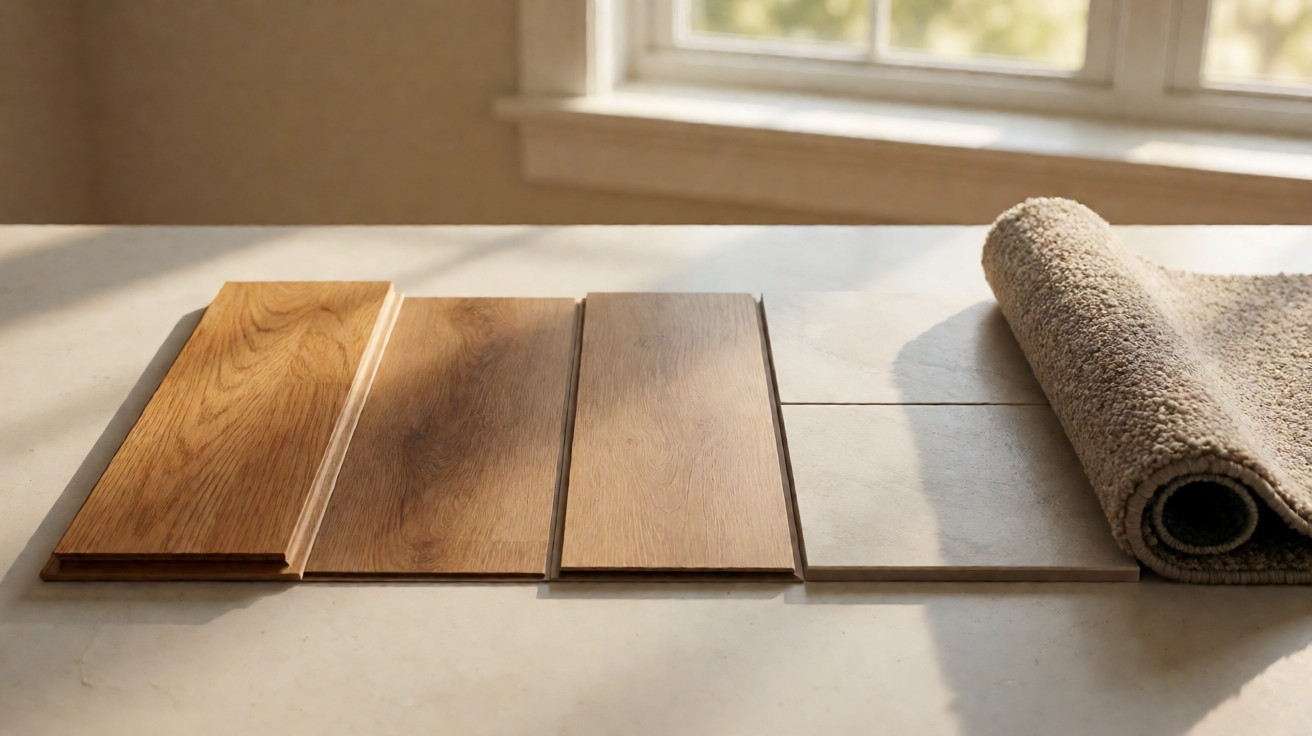
And if you are still weighing tile against the other families, the head-to-head material comparison sets tile, hardwood, vinyl, laminate, and carpet against each other on comfort, warmth, and maintenance.