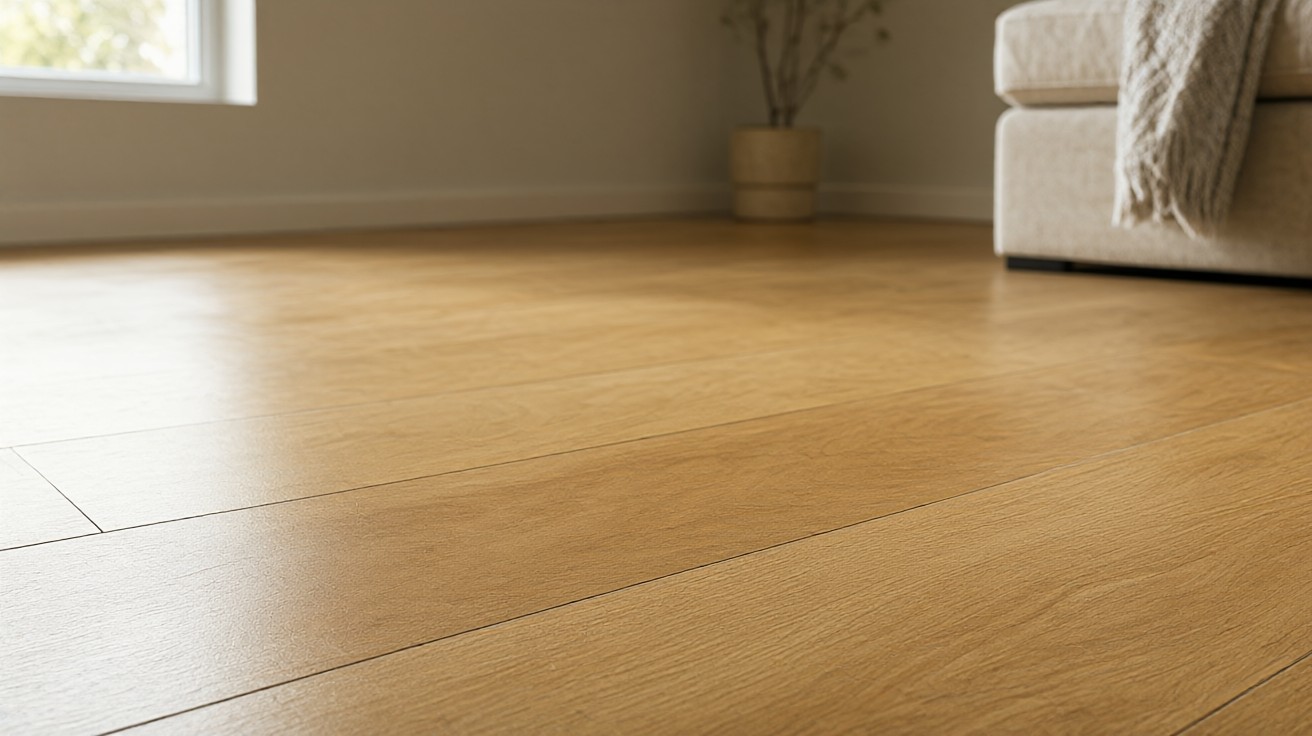
Seasonal flooring maintenance prevents damage and extends floor life. Follow this checklist each season for best results now please today now please now.
A 10 minute seasonal check prevents 80% of flooring damage. Use hardwood or tile care routines. The key is consistency, not intensity. NWFA, CRI, and EPA all address seasonal maintenance.
Why seasonal maintenance matters
Flooring responds to temperature and humidity changes. Wood expands in summer and contracts in winter. NWFA, CRI, and EPA all address seasonal maintenance. NWFA, CRI, and EPA all address seasonal maintenance. Tile grout cracks with thermal cycling. Carpet fibres trap seasonal allergens. Each material has seasonal needs.
Skipping seasonal maintenance leads to cumulative damage. Small issues become big repairs. A seasonal checklist catches problems early when they are cheap to fix.
Spring checklist
Spring is the time to assess winter damage and prepare for humidity changes.
- Inspect for gaps, cracks, and buckling.
- Check for moisture stains or warping.
- Clean salt and grit from winter.
- Re-seal grout and stone if needed.
- Check humidity levels (target 35-55%).
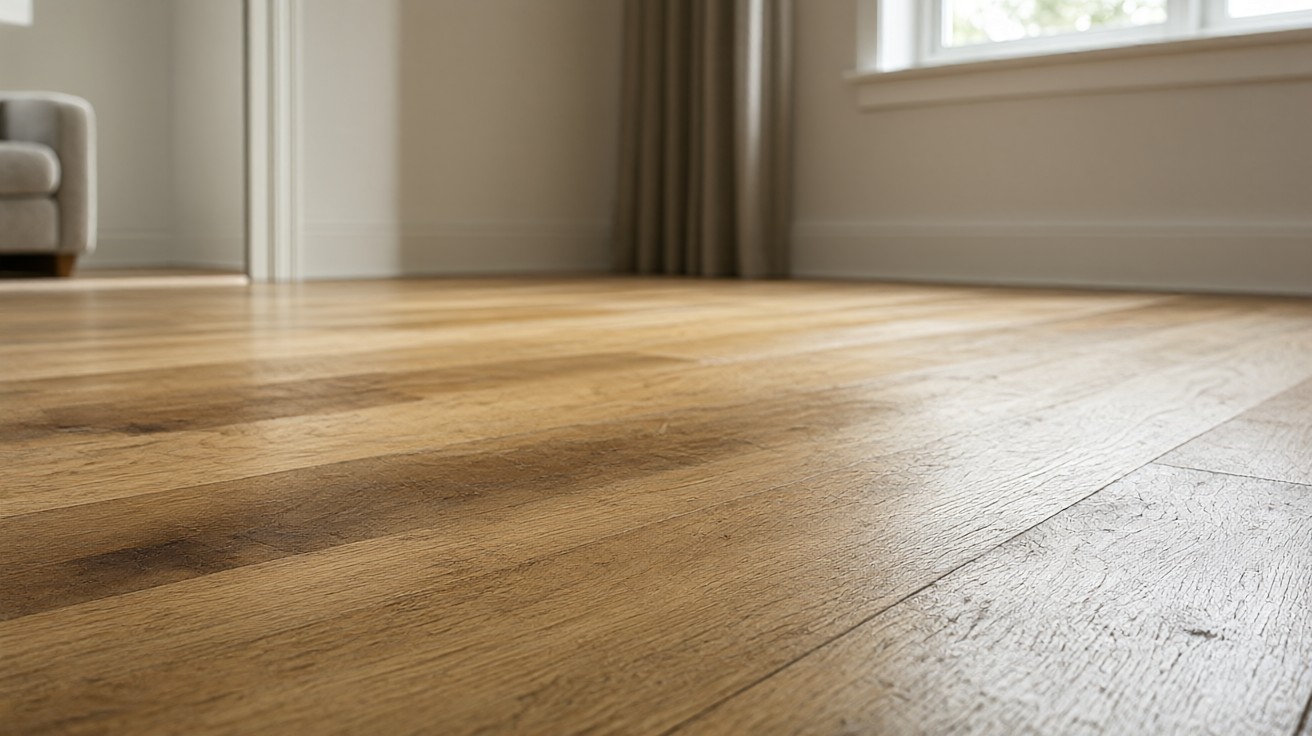
If you find gaps in hardwood, do not fill them yet. Wait until summer humidity closes them naturally. Filling a gap that will close causes buckling.
Summer checklist
Summer brings high humidity and increased foot traffic.
- Monitor humidity to prevent swelling.
- Clean more frequently due to outdoor activity.
- Check for cupping or crowning in wood.
- Inspect transitions and thresholds.
- Use dehumidifiers in damp areas.
If humidity exceeds 60%, wood floors may swell. Use a dehumidifier to maintain 35-55%. If the floor cups, reduce humidity and allow it to acclimate.
Fall checklist
Fall is the time to prepare for dry winter air.
- Clean and store summer outdoor gear.
- Inspect for wear patterns.
- Check heating system humidity impact.
- Plan for winter humidification.
- Deep clean before holiday season.
If the heating system dries the air below 30%, install a humidifier. Dry air causes wood to shrink and gaps to appear. A humidifier maintains 35-55%.
Winter checklist
Winter is the harshest season for flooring.
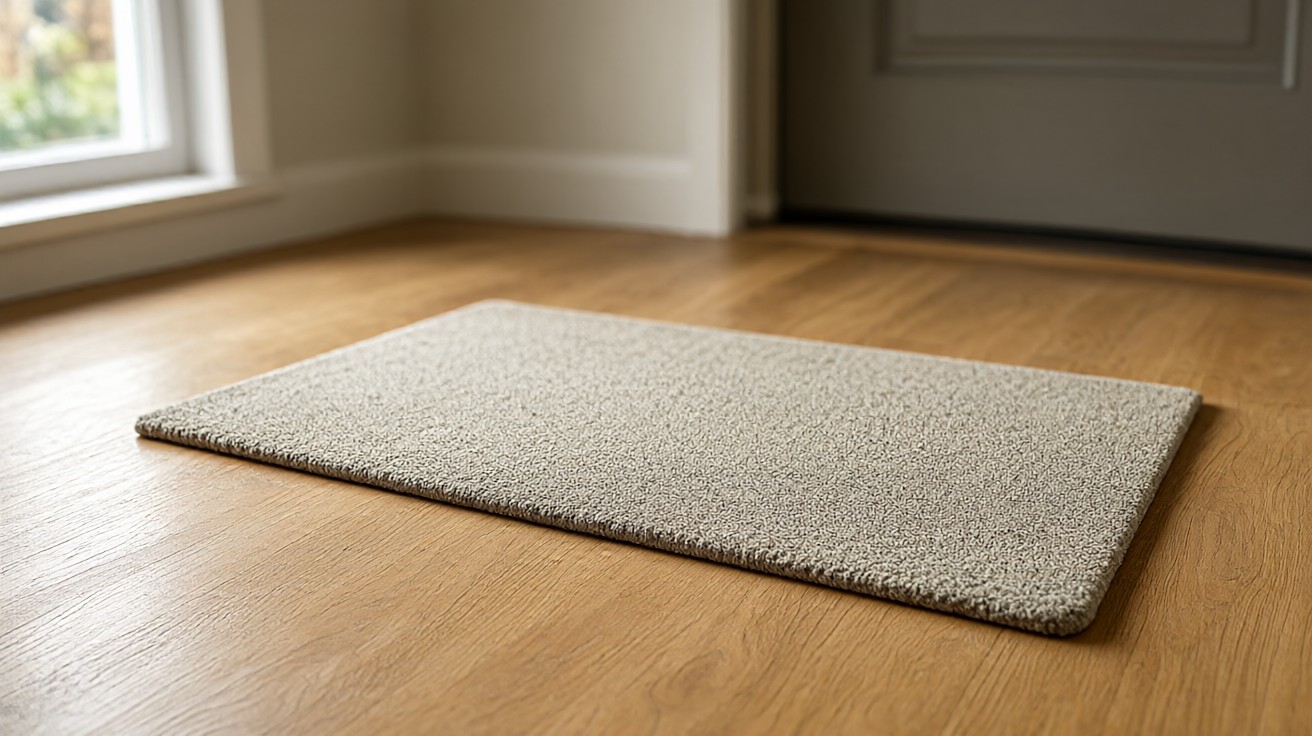
- Use entry mats to catch salt and grit.
- Monitor humidity daily.
- Check for gaps and shrinkage.
- Avoid wet mopping in dry conditions.
- Inspect for ice melt damage.
If gaps appear in hardwood, do not panic. They are normal if they close in summer. If they persist year-round, address the cause. If salt damages the finish, clean promptly with a pH-neutral cleaner.
Material-specific seasonal needs
Different materials have different seasonal needs. Hardwood needs humidity control. Tile needs grout inspection. Carpet needs deep cleaning. LVP needs temperature stability.
If you have mixed flooring, create a separate checklist for each material. A single checklist rarely covers all needs. If the floor is hardwood, prioritize humidity. If the floor is tile, prioritize grout.
Tools and supplies
A basic seasonal kit includes a hygrometer, pH-neutral cleaner, microfibre mop, vacuum, and entry mats. A hygrometer costs 10 to 30 USD. A pH-neutral cleaner costs 8 to 15 USD. Entry mats cost 20 to 50 USD.
Advanced maintenance may require a steam cleaner, grout sealer, and wood filler. These are available for rent. Renting is cheaper than buying for one-time use.
Cost expectations
| Task | Cost range (USD) | Frequency |
|---|---|---|
| Hygrometer | 10 to 30 | Once |
| pH-neutral cleaner | 8 to 15 | Quarterly |
| Entry mats | 20 to 50 | Once |
| Grout sealer | 15 to 40 | Annually |
| Professional deep clean | 150 to 400 | Annually |
Common mistakes
Skipping seasonal checks leads to cumulative damage. Using the wrong cleaner damages the finish. Ignoring humidity causes gaps or swelling. Wet mopping in dry conditions warps wood.
Each mistake is avoidable with a checklist and consistency. Follow the seasonal routine and address issues early.
When to call a professional
Call a professional when you find structural damage, when the floor needs refinishing, or when the cause is unclear. A professional can assess whether the floor can be saved.
Structural issues, such as subfloor rot or joist damage, require a contractor. Do not attempt structural repairs without proper assessment.
Spring deep dive
Spring maintenance is critical after winter stress. Inspect every room systematically. Start at the entrance and work inward. Check for salt damage, grit scratches, and moisture stains.
If you find salt stains on hardwood, clean with a pH-neutral cleaner and a damp cloth. Do not use vinegar. Vinegar damages the finish. If the finish is damaged, plan for refinishing in summer.
Spring is also the time to check humidity. Winter heating may have dried the air below 30%. If gaps appeared, they may close as humidity rises. Wait until June to assess.
Summer deep dive
Summer maintenance focuses on humidity control and cleaning. High humidity causes wood to swell. If the floor cups, reduce humidity immediately. Use a dehumidifier to maintain 35-55%.
Clean more frequently in summer due to outdoor activity. Sand and grit are the leading cause of scratches. Use entry mats and remove shoes indoors. Vacuum weekly.
If the floor is tile, inspect grout for cracks. Summer humidity causes grout to expand and crack. Re-seal grout if needed. A grout sealer costs 15 to 40 USD.
Fall deep dive
Fall maintenance prepares the floor for winter. Deep clean before the holiday season. Remove furniture and clean underneath. This prevents dust buildup and allows inspection.
Check the heating system. If it dries the air below 30%, install a humidifier. A whole-house humidifier costs 300 to 800 USD. A portable unit costs 50 to 150 USD.
Plan for winter entry protection. Place mats at all entrances. Use boot trays for wet shoes. This prevents salt and water damage.
Winter deep dive
Winter maintenance is the most demanding. Monitor humidity daily. Use a hygrometer in each room. If humidity drops below 30%, increase humidification.
Check for gaps weekly. If gaps appear, do not fill them. They will close in summer. Filling a gap that will close causes buckling.
Clean salt and ice melt promptly. These chemicals damage the finish. Use a pH-neutral cleaner and a damp cloth. Do not use abrasive cleaners.
Quantified maintenance schedule
Follow this schedule for consistent results:
- Daily: sweep or vacuum high-traffic areas.
- Weekly: vacuum all floors, check humidity.
- Monthly: deep clean, inspect for damage.
- Seasonally: full checklist, re-seal if needed.
- Annually: professional deep clean, refinish if needed.
A daily sweep takes 5 minutes. A weekly vacuum takes 20 minutes. A monthly deep clean takes 1 hour. A seasonal checklist takes 2 hours. An annual professional clean takes 4 hours.
Conditional guidance
If the humidity is below 30%, install a humidifier. If the humidity is above 60%, use a dehumidifier. If gaps appear in winter, do not fill them. If gaps persist in summer, fill them with flexible filler.
If salt damages the finish, clean promptly. If the finish is damaged, plan for refinishing. If the floor cups, reduce humidity. If the floor crowns, increase humidity.
If the floor is hardwood, prioritize humidity. If the floor is tile, prioritize grout. If the floor is carpet, prioritize deep cleaning. If the floor is LVP, prioritize temperature stability.
If the subfloor is wet, fix the moisture first. If the subfloor is dry, proceed with maintenance. If the floor is new, follow the manufacturer’s schedule. If the floor is old, increase inspection frequency.
Common mistakes
Skipping seasonal checks leads to cumulative damage. Using the wrong cleaner damages the finish. Ignoring humidity causes gaps or swelling. Wet mopping in dry conditions warps wood.
Each mistake is avoidable with a checklist and consistency. Follow the seasonal routine and address issues early. Keep a log of all maintenance activities.
When to call a professional
Call a professional when you find structural damage, when the floor needs refinishing, or when the cause is unclear. A professional can assess whether the floor can be saved.
Structural issues, such as subfloor rot or joist damage, require a contractor. Do not attempt structural repairs without proper assessment.
Insurance and warranty
Maintenance records support warranty claims. If the floor fails due to a defect, documentation helps. Keep receipts and photos of all maintenance activities.
A professional assessment can determine the cause and support a warranty claim. Keep records of the installation and the environment.
Long-term monitoring
After each seasonal check, monitor the floor for 30 days. Check that issues do not recur. Re-apply treatments if needed. Keep a log of observations with dates and photos.
A log helps identify patterns and supports warranty claims. Good records save time on future maintenance. Update the log regularly and consistently.
| Material | Seasonal need | Key action |
|---|---|---|
| Hardwood | Humidity control | Maintain 35-55% |
| Tile | Grout inspection | Re-seal annually |
| Carpet | Deep cleaning | Professional clean yearly |
| LVP | Temperature stability | Avoid direct heat |
Quantified maintenance schedule
Follow this schedule for consistent results:
- Daily: sweep or vacuum high-traffic areas (5 minutes).
- Weekly: vacuum all floors, check humidity (20 minutes).
- Monthly: deep clean, inspect for damage (1 hour).
- Seasonally: full checklist, re-seal if needed (2 hours).
- Annually: professional deep clean, refinish if needed (4 hours).
A daily sweep takes 5 minutes. A weekly vacuum takes 20 minutes. A monthly deep clean takes 1 hour. A seasonal checklist takes 2 hours. An annual professional clean takes 4 hours.
Conditional guidance
If the humidity is below 30%, install a humidifier. If the humidity is above 60%, use a dehumidifier. If gaps appear in winter, do not fill them. If gaps persist in summer, fill them with flexible filler.
If salt damages the finish, clean promptly. If the finish is damaged, plan for refinishing. If the floor cups, reduce humidity. If the floor crowns, increase humidity.
If the floor is hardwood, prioritize humidity. If the floor is tile, prioritize grout. If the floor is carpet, prioritize deep cleaning. If the floor is LVP, prioritize temperature stability.
If the subfloor is wet, fix the moisture first. If the subfloor is dry, proceed with maintenance. If the floor is new, follow the manufacturer’s schedule. If the floor is old, increase inspection frequency.
Common mistakes
Skipping seasonal checks leads to cumulative damage. Using the wrong cleaner damages the finish. Ignoring humidity causes gaps or swelling. Wet mopping in dry conditions warps wood.
Each mistake is avoidable with a checklist and consistency. Follow the seasonal routine and address issues early. Keep a log of all maintenance activities.
When to call a professional
Call a professional when you find structural damage, when the floor needs refinishing, or when the cause is unclear. A professional can assess whether the floor can be saved.
Structural issues, such as subfloor rot or joist damage, require a contractor. Do not attempt structural repairs without proper assessment.
Insurance and warranty
Maintenance records support warranty claims. If the floor fails due to a defect, documentation helps. Keep receipts and photos of all maintenance activities.
A professional assessment can determine the cause and support a warranty claim. Keep records of the installation and the environment.
Long-term monitoring
After each seasonal check, monitor the floor for 30 days. Check that issues do not recur. Re-apply treatments if needed. Keep a log of observations with dates and photos.
A log helps identify patterns and supports warranty claims. Good records save time on future maintenance. Update the log regularly and consistently.
Summary
Seasonal flooring maintenance prevents damage and extends floor life. Follow this checklist each season for best results. For general problems, see flooring problems: causes, diagnosis, and repair. For high-traffic areas, see how to maintain flooring in high-traffic areas.