
Verdict: felt pads, plastic glides, lift habits, rugs, and caster swaps matched to your floor type and routine care protect floors from furniture scratches.
Hardwood and vinyl show marks sooner than tile or stone. But even tile can chip when a metal leg hits it at an angle. The risk is the combination of floor, furniture, and how the furniture moves.
Why Do Furniture Scratches Happen in the First Place?
Scratches come from three sources: hard contact points, trapped grit, and dragging. A chair leg with no pad presses the full weight of a 180 lb person into a contact area smaller than a dime. Dust and sand under that leg act like 80 grit sandpaper when the chair moves. Dragging a 200 lb sofa across the floor drags every bit of grit with it.
Soft floors scratch faster. Hardwood rated at 1200 on the Janka scale still dents under point loads. Vinyl plank at 12 mil wear layer resists better but shows scuffs. The floor type sets the threshold, not the outcome. Even ceramic tile can chip when a metal leg strikes at an angle, so no floor is immune.
Is Grit or the Furniture Itself the Bigger Problem?
Grit is the bigger problem on hard floors. A clean chair leg with a felt pad rarely scratches. A dirty pad with sand in it scratches every time the chair moves. That is why cleaning the protector matters as much as installing it.
Which Floor Protectors Work Best on Which Floors?
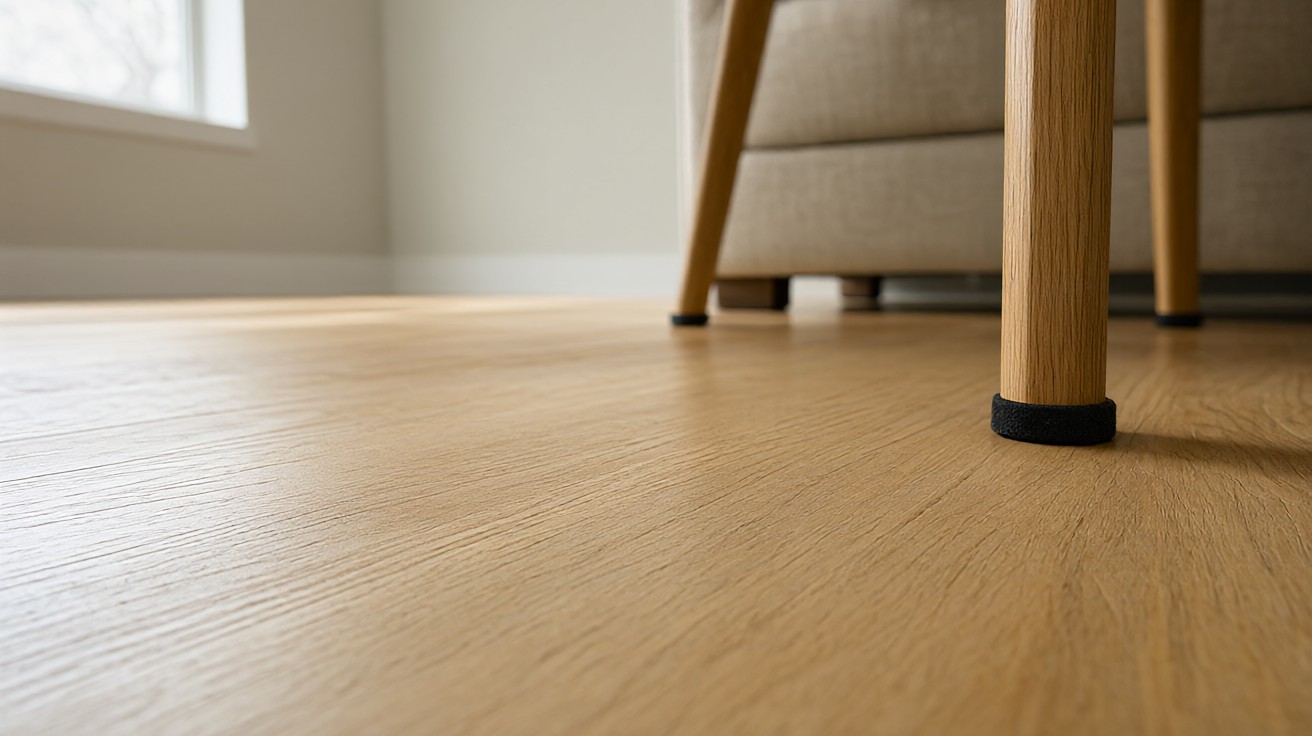
Different floors need different protectors. Felt pads suit hardwood and laminate. Rubber or plastic glides suit vinyl plank, because felt can catch grit and rubber can stain some finishes. Tile and stone handle most protectors but need non-slip pads to keep furniture from sliding.
| Floor type | Best protector | Avoid | Notes |
|---|---|---|---|
| Hardwood | Felt pads | Hard plastic caps | Replace every 6 to 12 months |
| Laminate | Felt pads | Metal glides | Keep pads clean to avoid grit |
| Vinyl plank | Plastic or nylon glides | Rubber and felt | Rubber can stain vinyl over time |
| Tile and stone | Felt or rubber pads | Bare metal legs | Use non-slip pads on smooth tile |
Match the protector to the floor first, then to the furniture. A great pad on the wrong floor still fails. See our best flooring for mudrooms guide for entryway specifics.
How Do You Install Felt Pads So They Stay On?
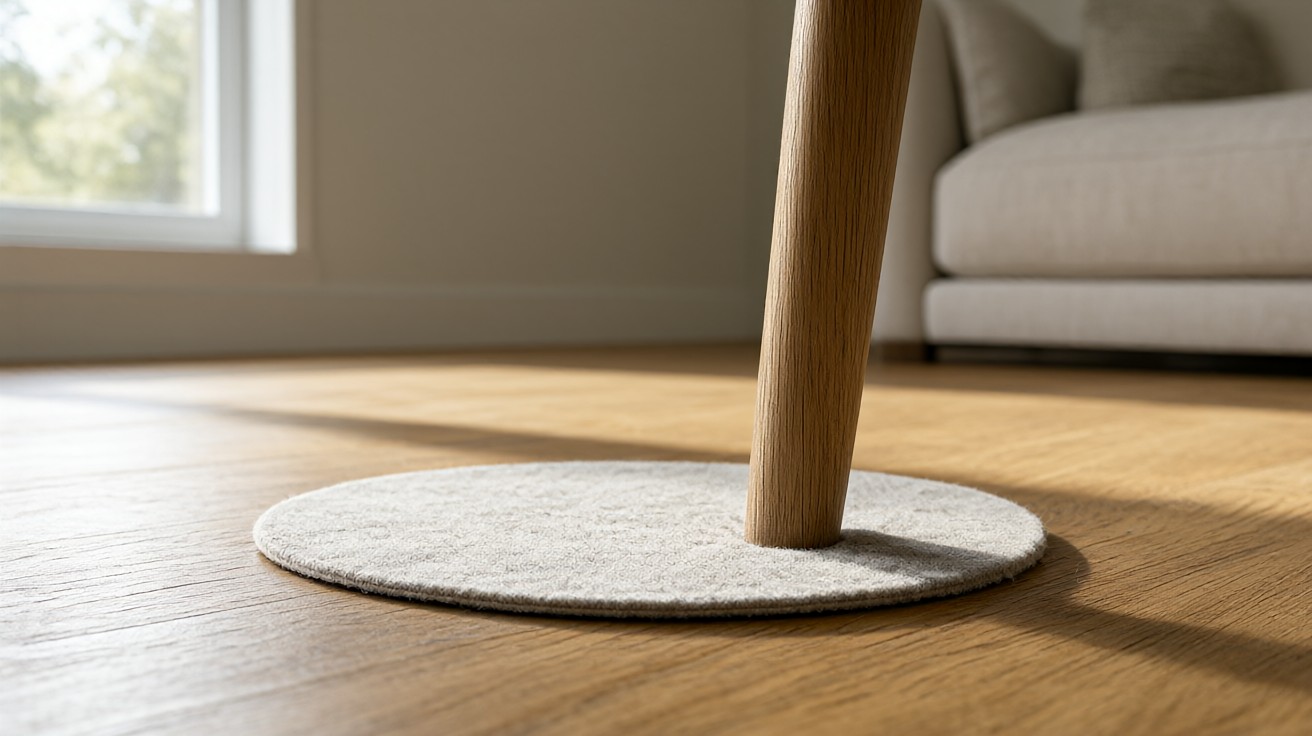
Installation is where most protection fails. A pad that peels off in a week leaves the leg bare and the floor exposed. Clean the leg bottom first, because dust and old adhesive stop new pads from sticking. Cut the pad to fit the leg footprint, not larger, so it does not catch on the floor edge.
Press firmly for thirty seconds and let the adhesive set for 24 hours before use. On metal legs, sand lightly first so the adhesive grips. Check pads monthly and replace any that are thin, dirty, or loose.
What Habits Stop Scratches Better Than Any Product?
Products help, but habits do the real work. Lift furniture instead of dragging it. Use a moving blanket or slider under heavy pieces. Sweep or vacuum grit before you move anything. Keep pet nails trimmed and use mats at entries.
Small habits compound. A chair lifted two inches off the floor during a weekly clean avoids a year of dragging. A doormat at the kitchen entry keeps sand out of the room where chairs move most. For broader selection advice, see our how to choose flooring guide. Wipe chair legs with a damp cloth every month to remove grit before it reaches the pads.
How Should You Move Heavy Furniture Safely?
Use furniture sliders under each leg, then push slowly at 12 inches per second. For very heavy pieces over 150 lb, lift with a helper and slide a blanket underneath first. Never drag on bare legs. If a piece is too heavy to lift, hire movers with proper equipment rather than risk the floor.
Do Area Rugs and Chair Mats Actually Help?
Yes, when placed where movement happens. A rug under a dining table catches chair movement and grit. A chair mat under an office chair protects the floor from repeated rolling. The key is a non-slip backing that does not stain the floor, and a size that covers the full movement area.
Rugs can trap grit too. Vacuum under them regularly and shake them out. A dirty rug backing grinds grit into the floor like a sanding block. Choose a rug pad made of felt and rubber for the best grip and floor safety.
| Accessory | Best use | Watch out for |
|---|---|---|
| Area rug | Dining and living rooms | Grit trapped under backing |
| Chair mat | Office desks | Cracking on hard floors |
| Furniture slider | Moves and rearranges | Slipping on smooth floors |
What About Caster Wheels and Office Chairs?
Standard plastic casters concentrate weight and grind grit into the floor. Replace them with soft rubber or polyurethane casters rated for hard floors. Add a chair mat under the desk area for extra protection.
Check casters for embedded grit and clean them monthly. A single grain of sand in a caster wheel scratches the floor with every roll. Casters rated for 2 inch diameter roll more smoothly than 1.5 inch on carpet.
When Should You Replace Casters Instead of Adding a Mat?
Replace casters when the chair moves often and the floor is soft. Add a mat when movement is limited to one spot. Many offices use both for the best protection.
How Do You Protect Floors During a Move?
Moving day is the highest risk for floor damage. Lay down ram board or hardboard sheets along the path. Use furniture sliders and moving blankets. Wrap table and chair legs with moving pads. Sweep the path first and keep it clear of grit. Label each room so movers know where to place items. Keep pets and children away from the work area. Check the floor after each room is cleared.
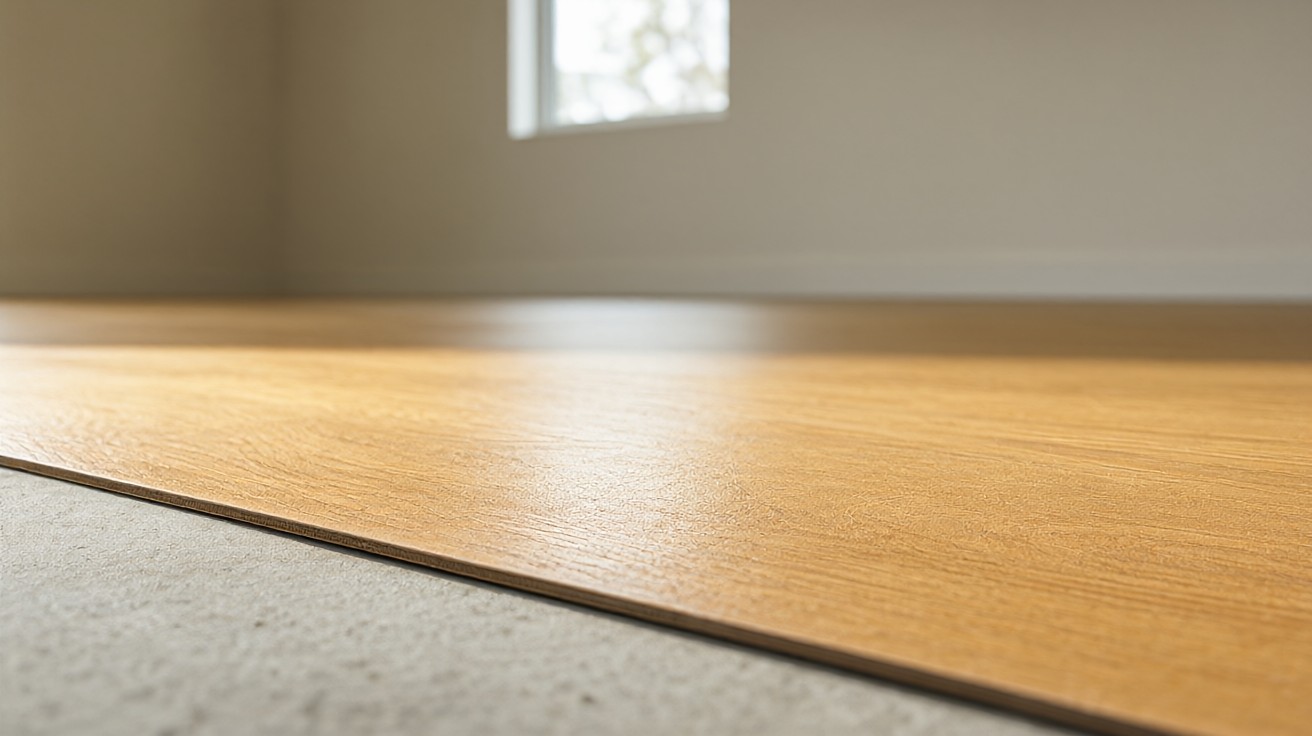
Do not tape directly to the floor. Use tape on the protective layer only. Remove protection the same day and inspect the floor before furniture is placed. A 4 by 8 foot sheet of hardboard covers a standard hallway.
How Do You Fix Scratches That Already Happened?
Minor surface scratches on hardwood can often be buffed out with a repair kit or a touch-up pen matched to the finish. Deeper scratches may need sanding and refinishing in that area. Vinyl and laminate scratches are harder to repair and may need a plank replacement. For oil finished floors, a fresh coat of oil can hide light marks. For polyurethane finishes, a screen and recoat blends repairs into the surrounding finish. Always match the sheen level of the existing floor.
Tile chips can sometimes be filled with color-matched epoxy. If damage is widespread, professional refinishing is cheaper than full replacement. Always test a repair product in a hidden spot first. Follow ANSI and NWFA guidance for hardwood repair standards.
What Is the Simple Maintenance Routine That Prevents Scratches?
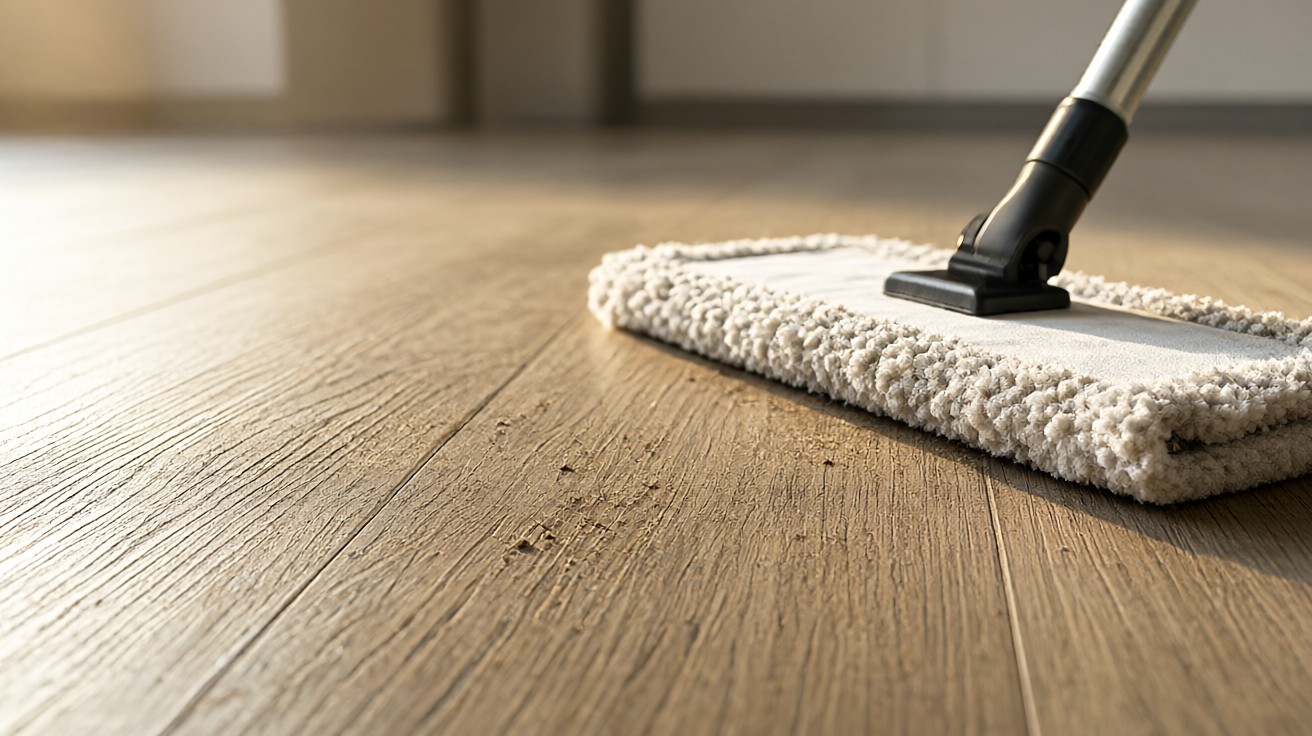
A short routine prevents most damage. Sweep or vacuum grit daily in high-traffic areas. Check and clean protectors monthly. Replace worn pads twice a year. Lift furniture when cleaning. Use mats at entries and under desks.
Consistency matters more than effort. Ten minutes a week of sweeping and pad checks saves years of floor life and avoids costly repairs. Follow ASTM F1869 guidance for moisture when cleaning wood floors.
How Do You Size and Select Furniture Pads Correctly?
Pad size matters as much as pad material. A pad that is too small leaves bare leg edges that scratch. A pad that is too large catches on floor edges and peels off. Match the pad to the full footprint of the leg.
For round legs, measure the diameter and buy the next size up, then trim with scissors. For square legs, cut a square pad slightly smaller than the leg so it does not overhang. For tapered legs, use a pad that covers the widest contact point.
Adhesive quality separates good pads from bad. Look for pads with adhesive rated to hold at least 5 lb of pull force. Cheap pads with weak adhesive fail within days on metal legs, especially in humid rooms.
Thickness also affects life. A 1/4 inch felt pad compresses faster than a 1/8 inch pad on a chair that moves daily, so it needs replacing sooner. A 1/8 inch pad on a stationary cabinet can last a full year without compression.
| Leg type | Pad shape | Thickness | Replace every |
|---|---|---|---|
| Round chair leg | Round, sized to diameter | 1/4 inch | 3 to 6 months |
| Square table leg | Square, slightly undersized | 1/8 inch | 6 to 12 months |
| Tapered furniture leg | Oval or custom cut | 1/4 inch | 4 to 8 months |
| Metal caster leg | Nylon or plastic glide | N/A | 12 months |
Test one piece first. Watch it for a week. If the pad stays on and the floor stays clean, roll the same setup across the room.
How Do You Choose the Right Protector for Your Home?
Start with your floor type, then your furniture, then your habits. Buy felt pads for hardwood and laminate, plastic glides for vinyl, and rubber or felt for tile. Add rugs where chairs move. Replace casters on office chairs. Keep everything clean.
When in doubt, test one piece of furniture first. Watch it for a week. If the pad stays on and the floor stays clean, roll the same setup across the room.
Common Mistakes That Undo Your Protection
Many homeowners install pads and then ignore them. A pad that collects dust for six months becomes a sanding block. Clean pads monthly with a damp cloth and replace them twice a year. Cheap felt pads compress to nothing in three months on dining chairs.
Another mistake is using the wrong pad on the wrong floor. Rubber on vinyl leaves yellow stains that do not come out. Felt on carpeted casters does nothing. Match material to floor first, then to furniture.
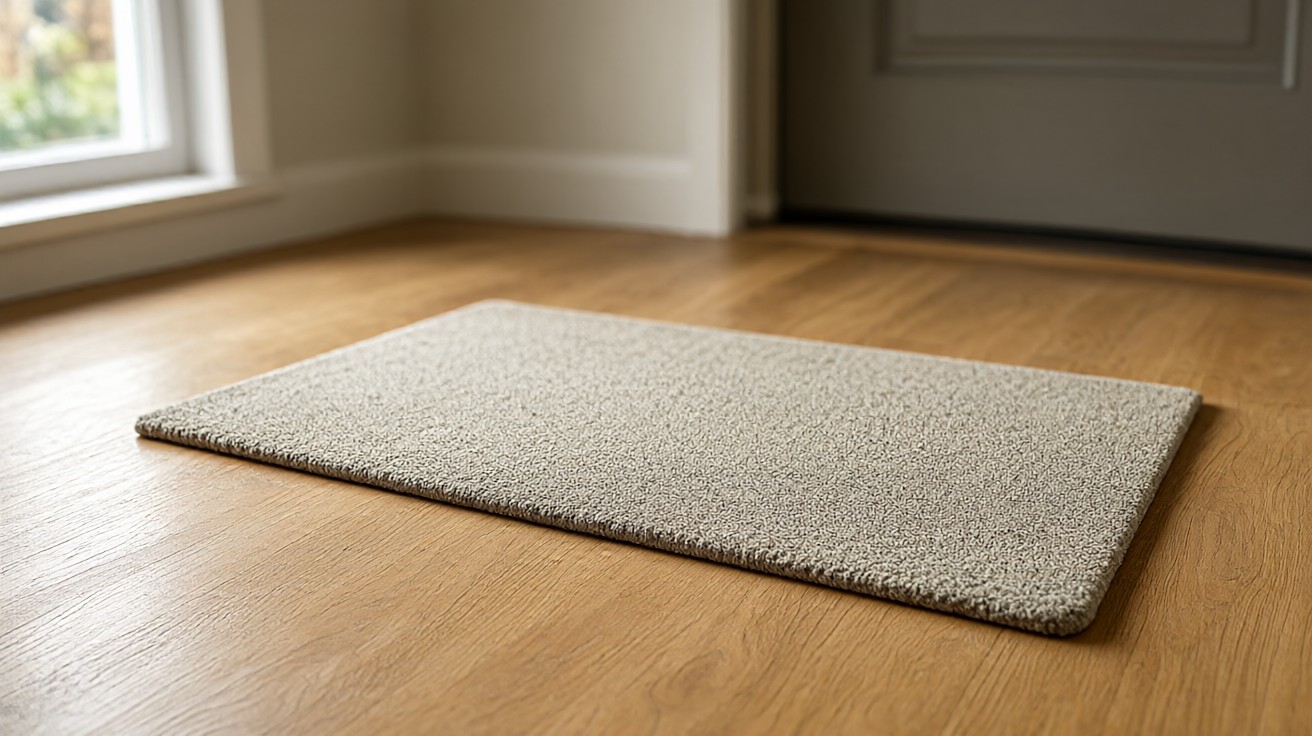
Skipping entry mats is a third mistake. Grit walks in on shoes and gets under pads. A 3 by 5 foot mat at each entry cuts grit by up to 80 percent. Vacuum the mat weekly.
Finally, dragging during cleaning undoes everything. Use a vacuum with a soft brush roll, not a beater bar, on hardwood. Lift the vacuum rather than dragging it across the floor.
Choosing the Right Pad Material and Thickness
Felt pads come in 1/8 inch and 1/4 inch thickness. Use 1/4 inch on chairs that move daily. Use 1/8 inch on stationary pieces like cabinets. Thicker pads compress and need more frequent replacement, about every 4 months on dining chairs.
Nylon glides last longer than felt but can scratch if grit gets under them. Clean nylon glides weekly with a damp cloth. Silicone pads grip well but attract dust, so wipe them often.
Adhesive strength matters. Look for pads rated for 5 lb pull strength or more. Cheap pads with weak adhesive fail within days on metal legs.
Once a year, inspect every room. Check pads, casters, rugs, and mats. Replace anything thin, loose, or dirty. Look for new scratches and note their location to find the cause. Reapply felt pads after deep cleaning. Test chair movement on a small area. If you hear scraping, stop and add protection before continuing. Keep a small kit of pads, glides, and touch-up pens on hand. Quick fixes prevent small marks from becoming big repairs.
Summary
Protecting floors from furniture scratches is a system, not a single purchase. Combine the right protector for your floor, clean installation, lifting habits, rugs where chairs move, and regular pad checks. Done consistently, these steps keep floors looking new for years. Review this guide once a season and adjust as your furniture changes.