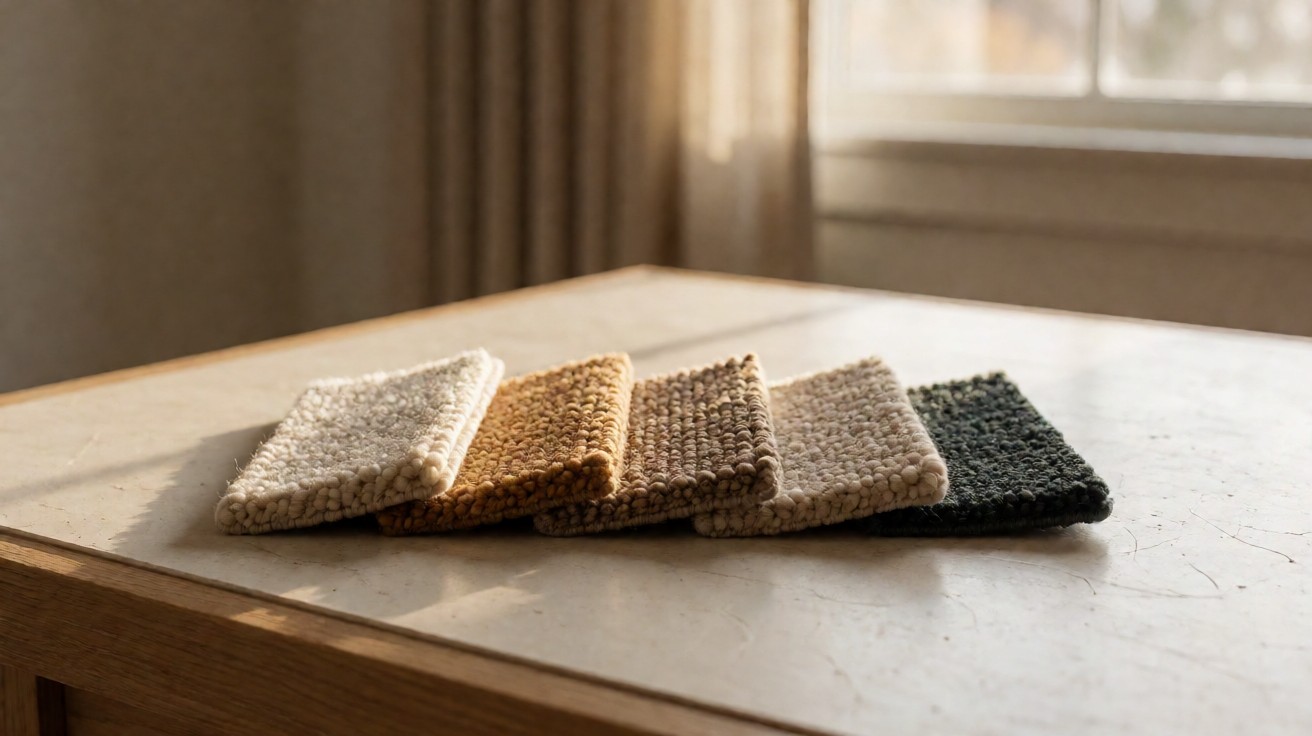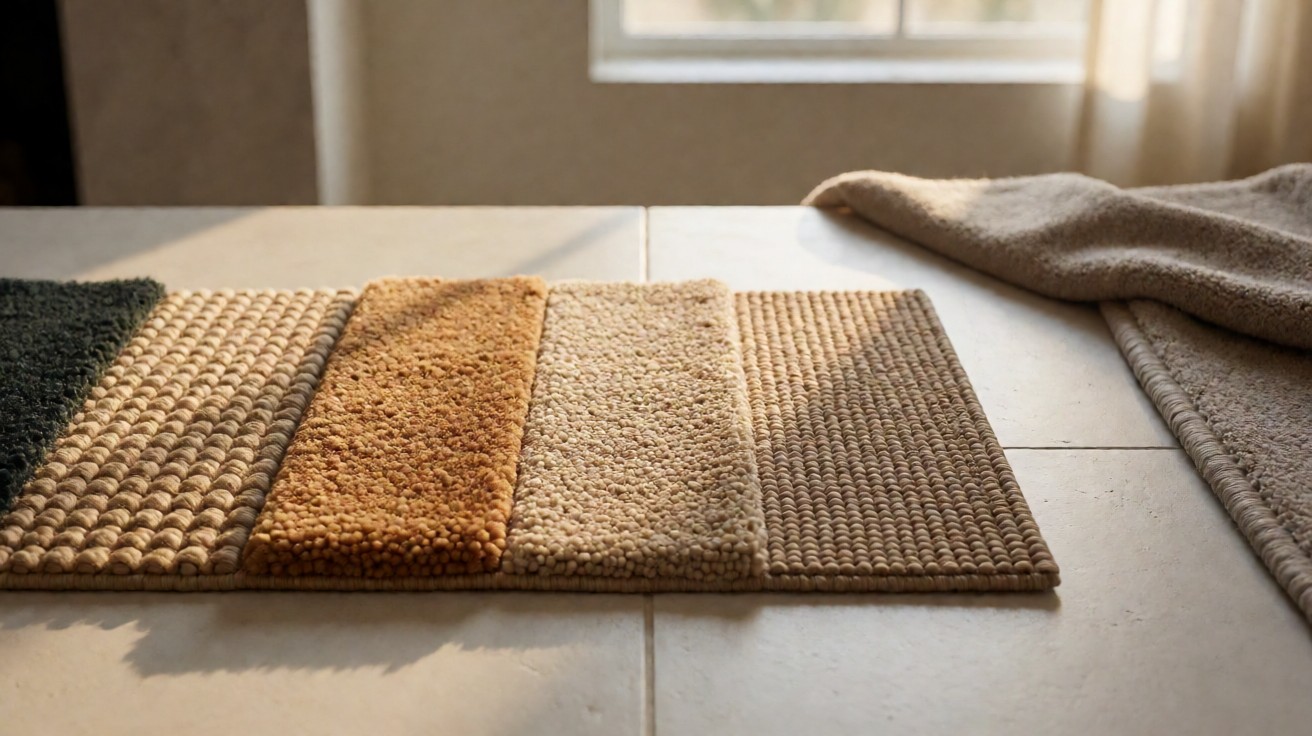

Cut pile, loop pile, frieze, and textured carpet are four names for how the yarn at the top of the carpet is shaped, and the difference shows up in how the floor looks and how it wears.
It is the second big carpet decision after fiber, and it is the one that decides whether a floor looks formal or lived-in, and whether it wears out gracefully or obviously.
The most useful way to think about it is that each style fails differently. Loop pile is the most durable and sheds the least, but its neat rows catch light and show a directional sheen that reveals every vacuum line.
Cut pile looks more like natural fibre but wears from the top down and sheds more in the first months. Frieze and textured styles exist specifically to hide wear and dirt.
This guide resolves which style belongs in which room. It assumes you have already chosen your fiber; fiber and style are independent, and the two combine, but they are different decisions. If fiber is still open, the fiber comparison and the carpet guide linked below cover that first.
Cut vs. Loop vs. Frieze vs. Textured: The Short Answer
Choose loop pile for a clean, formal, low-shedding look in a room that stays tidy, and for the best wear resistance. Choose cut pile for a softer, more natural, wool-like look in a normal family room.
Choose textured for busy, informal, high-traffic rooms and for any house with kids or pets, because it hides wear better than anything else. Choose frieze when you want texture and durability but a tighter, more patterned look than full frieze.
The real short version is this: loop for durability and neatness, cut for softness and a natural look, textured for hiding life, frieze as the durable middle ground between loop and texture.
Cut Pile: The Classic Look
In cut pile, the yarn strands are cut to roughly the same height, so the surface stands upright in a dense, even field. It is the style most people picture when they think of carpet, because it most closely resembles a natural fibre like wool.
Cut pile has a soft, plush hand underfoot and takes a wide range of fibre and twist, so it is available in everything from a smooth low-pile office carpet to a thick shaggy bedroom carpet. It is the most versatile of the four styles.
The trade-off is wear and shedding. Because each strand is anchored at only one end, cut pile wears from the top down and can show a flattened, duller patch where the traffic runs. New cut pile also sheds noticeably more in the first weeks or months than loop, which is normal and settles, but it is worth knowing before you install.
Loop Pile: Durability, Clean Lines, the Sheen Catch
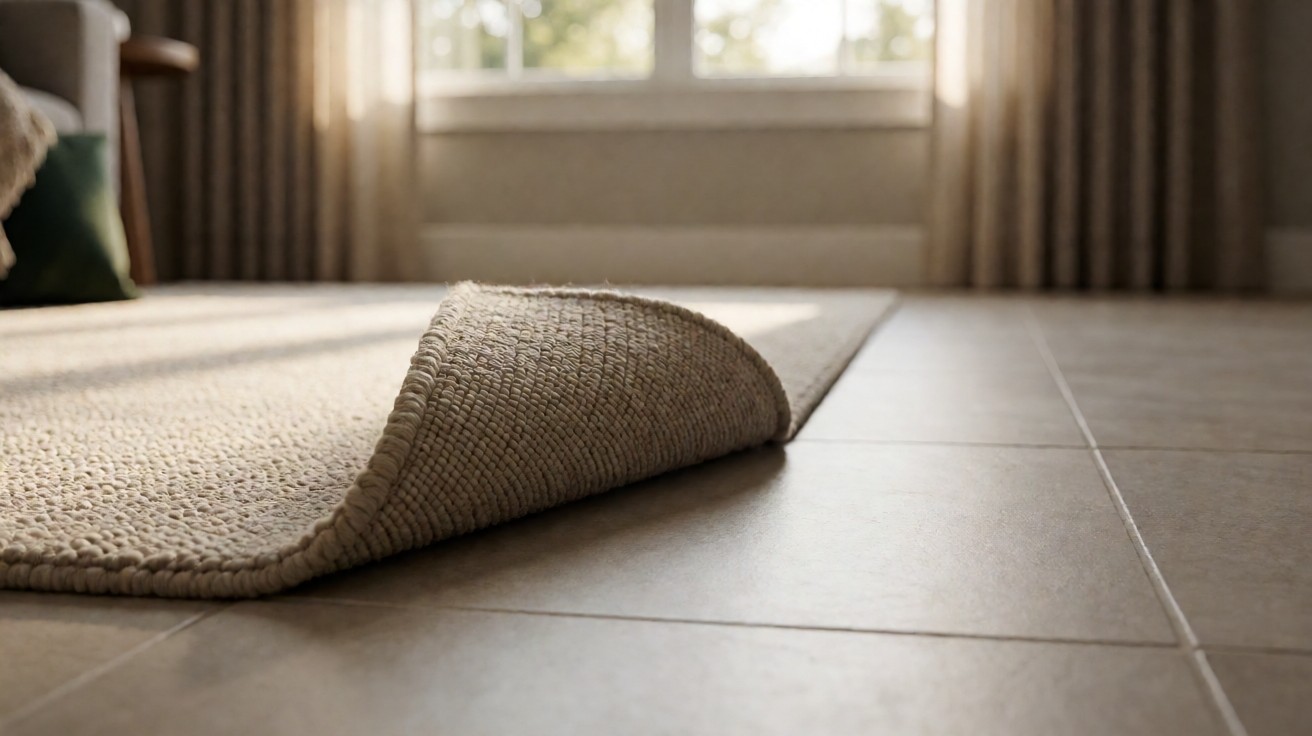
Loop pile is made of yarn loops that are anchored into the backing at both ends and left uncut, so the surface is a field of tiny, even loops rather than standing strands. Because the loop is fixed at both ends, it is the most wear-resistant style and the least likely to distort or shed.
Loop pile gives a very clean, precise appearance, and it is easy to vacuum because the loops hold dirt near the surface. It is a common choice for a formal living room, an office, or a hallway where a crisp look matters.
The catch is the sheen. The unbroken rows of loops catch light directionally, so loop pile develops a subtle, one-way sheen across the floor that shifts as you move.
It is not a flaw, but it does mean loop pile shows vacuum lines and traffic patterns more visibly than the other styles. In a very sunlit room you can sometimes see where people walk. If that bothers you, textured or frieze will hide it better.
Frieze: Loops Knocked Over, Texture and Hiding Wear
Frieze is a form of loop pile in which the tops of the loops are sheared off partway and the remaining fibres are kinked or twisted over. The result is a low, tightly twisted, slightly shaggy surface with a subtle texture and short loops.
Because the loops are low and twisted rather than standing straight up, frieze hides dirt, crumbs, and wear very well, almost like a textured style, while keeping much of the durability of loop construction. It also shows far less of the sheen problem than full loop pile.
Frieze is the durable middle ground. It is a good choice for a busy hallway, a family room, or a rental property where you want texture and longevity without the formality or the sheen of plain loop, and it is frequently offered in a wide range of colours and fibre.
Textured: Multi-Level, Hiding Everything, Casual Look
Textured carpet is built from several different fibre heights, twists, and often different colours blended together, so the surface has no uniform direction and no visible pattern. It is deliberately the least formal of the four styles.
That deliberate irregularity is its whole purpose. Because the surface is visually busy, dirt, crumbs, pet hair, wear, and vacuum lines all blend into it. A textured carpet shows a worn area later than any other style, which makes it the most forgiving option in a house with children, pets, or genuine heavy traffic.
The trade-off is that it can look casual or unstructured in a formal room, and it is slightly harder to vacuum cleanly because the varied heights trap and hold debris in the nooks rather than presenting a flat surface to the vacuum head.
If your home is formal and quiet, texture may not be the look you want. If it is lived-in and busy, it is the safest carpet you can buy.
Wear Pattern: Which Style Wears How
This is where the styles separate most clearly over time. Loop pile wears the most evenly, because the double-anchored loops do not crush and spring back, so a loop floor ages more uniformly than the others. Frieze and textured follow closely, since their twisted or irregular structure also resists crushing.
Cut pile wears in a more noticeable way. Strands abrade from the tip down, so the first sign of wear is a slightly duller, flattened area along the main path.
It is not a flaw and many people prefer the lived-in look of a cut-pile carpet that shows it, but if you want the floor to look new as long as possible, cut pile is not the most durable choice.
The practical summary is below.
| Factor | Cut pile | Loop pile | Frieze | Textured |
|---|---|---|---|---|
| Look | Soft, natural, wool-like | Clean, precise, flat | Low, twisted, subtle texture | Busy, multi-level, casual |
| Wear resistance | Good, wears from top down | Best, wears evenly | Very good | Very good, hides wear |
| Shedding (new) | More, settles over weeks | Least | Low | Low to moderate |
| Sheen under light | Low, directional per strand | Noticeable directional sheen | Reduced | Minimal, irregular |
| Hides dirt and wear | Moderate | Lowest, shows patterns | Good | Best |
| Formality | Versatile, natural | Most formal | Casual to mid | Most casual |
| Best in | Bedrooms, living rooms | Formal rooms, offices | Hallways, rentals, family rooms | Busy, kids, pets, high traffic |
Shedding, Cleaning and Everyday Upkeep
Shedding is the number one complaint new carpet owners have, and it is mostly a style and settling issue rather than a defect. Cut pile sheds the most in the first weeks because the newly cut strands release loose fibres as they settle into the backing.
Loop pile sheds very little. Any new carpet should be vacuumed daily for the first few weeks to remove shed fibres before they work into the pile.
Cleaning difficulty roughly inverts durability. Loop pile presents a flat, even surface, so a vacuum head rides on top of it and picks up debris easily. Textured and frieze have varying heights, so the vacuum head rides over the high points and can leave debris in the low nooks until a crevice tool or brush agitates it.
None of these styles is harder to live with than the others by a large margin, but textured and frieze do ask for a little more deliberate vacuuming, and that is a fair trade for the way they hide dirt.
Look and Feel Against the Room
Match the style to the formality of the room and the energy in it. Loop pile is the most refined and reads as carefully maintained, which suits a formal living room or a home office. Cut pile is the most versatile and natural-looking, which makes it the safe choice for a bedroom or a general living room.
Frieze and textured suit rooms where the floor is meant to disappear into comfortable, lived-in softness rather than be noticed. A textured carpet in a family room with a dog is close to maintenance-free in appearance, because the busyness absorbs the evidence of everyday life.
A floor that is too formal for the room shows every scuff and traffic lane within a year. A floor that is too casual for the room looks slightly out of place when it is the only thing wrong with an otherwise formal space.
The table below turns that principle into a room-by-room assignment, which is usually faster than reasoning about sheen and wear in the abstract.
| Room | Best style | Why this style fits the room |
|---|---|---|
| Formal living room | Loop pile | Clean lines, holds a deliberate look, wears evenly |
| Family room | Textured or cut | Hides wear, forgiving with kids and pets |
| Bedroom | Cut pile | Soft, quiet, natural look underfoot |
| Hallway and stairs | Loop or frieze | Maximum wear resistance where traffic is concentrated |
| Home office | Loop pile | Formal, tidy appearance that suits a desk area |
| Rental property | Frieze | Durable, hides wear, easy to maintain |
| Room with pets | Textured | Traps pet hair and marks into a busy surface |
| Enclosed sunroom | Frieze or textured | Sun exposure reveals less in an irregular surface |
How to Choose Pile Style for Your Home
Decide how much you want the floor to notice you. If you want it to look clean and deliberate, choose loop pile. If you want it to look soft and natural, choose cut pile. If you want it to absorb a busy household without looking tired, choose textured. If you want durability with texture, choose frieze.
Then check the sample in your own light, because pile style and colour interact under light in ways a showroom cannot show you. Run your hand across it in the direction people will walk. Vacuum a section. Look at it from a seated position, which is how you will usually see your own floor.
Finally, remember that style is only half the feel. The padding underneath changes the softness, the resilience, and how much the pile feels underfoot as much as the style does, and a dense, well-twisted cut-pile carpet on a thin pad will feel worse than the same carpet on a good one. The carpet guide covers that part.
Is loop pile better than cut pile for durability?
Yes, in most cases. Loop pile is anchored at both ends and wears evenly, so it resists crushing and distortion better than cut pile, which is anchored at one end and abrades from the tip. If maximum durability is the priority, loop pile is the better construction. The reason to choose cut pile instead is usually appearance and softness, not longevity.
Does textured carpet hide stains?
It hides the visual evidence of wear and soil better than any other style, but it does not actually resist stains any better than the others. Stain resistance comes from the fiber and its treatment, not the pile style. A textured carpet simply disguises a stain less obviously because the busy surface distracts the eye, which is different from the stain being easier to clean.
How This Fits With the Rest of the Carpet Choice
Pile style is the decision that controls how a carpet looks and wears, and it sits alongside the fiber it is made from. The two are independent, so a loop-pile nylon and a cut-pile wool are comparing style and fiber at once.
The complete carpet flooring guide covers how carpet is constructed, the role of padding, how to read a specification sheet, and how to match carpet to a room. If fiber is still open, the carpet fiber comparison settles abrasion and stain resistance first. And to weigh carpet against the hard-floor options, the head-to-head material comparison sets all the families side by side.