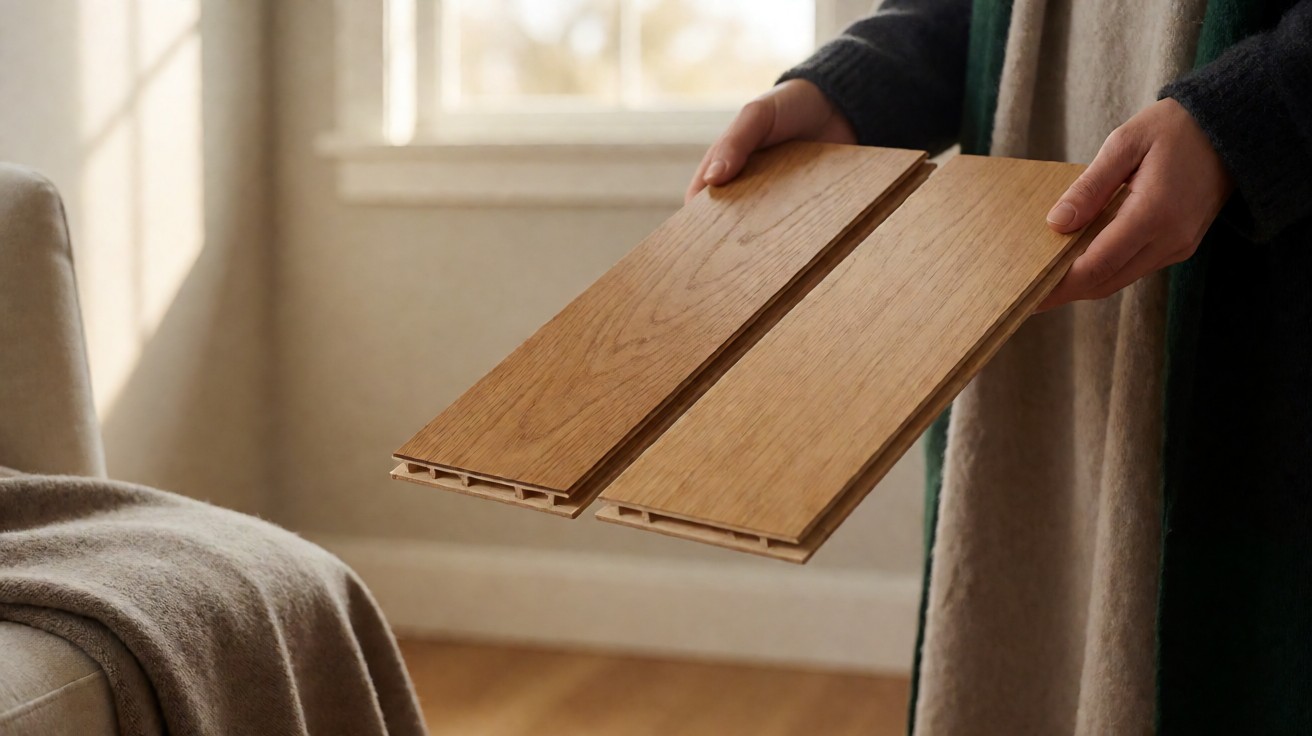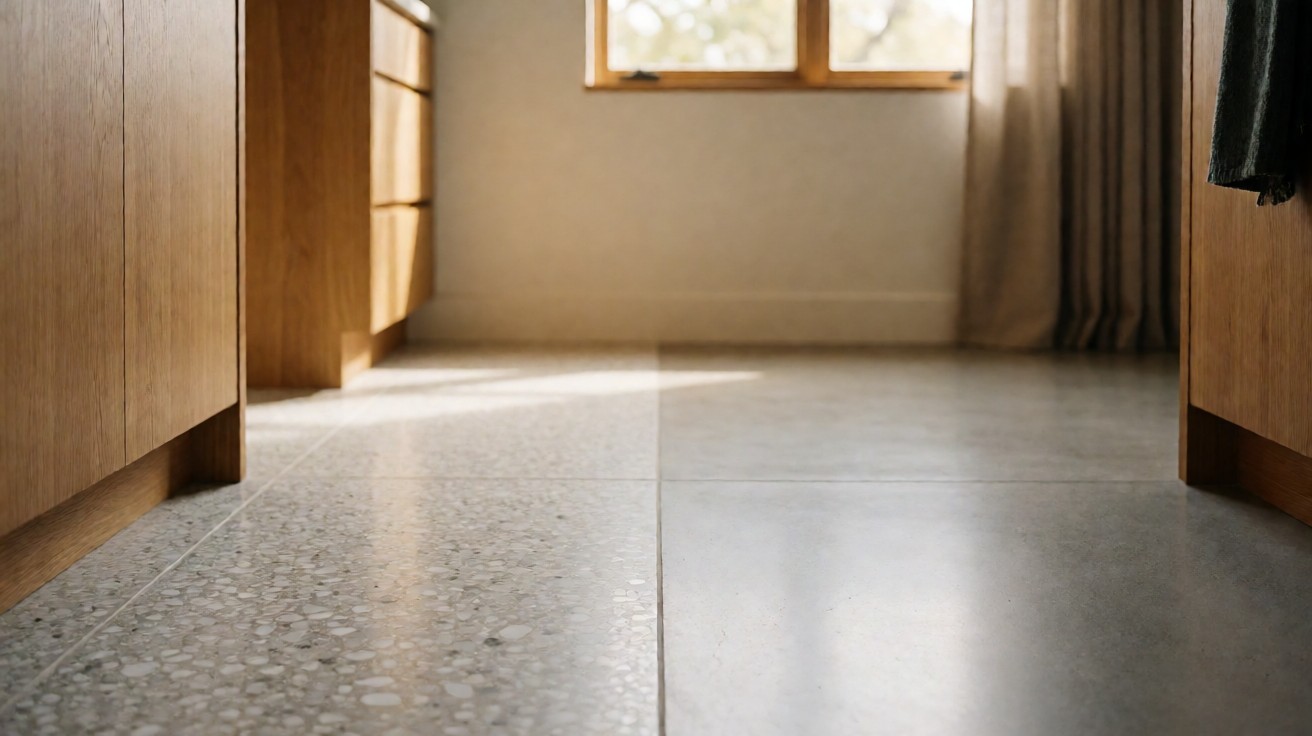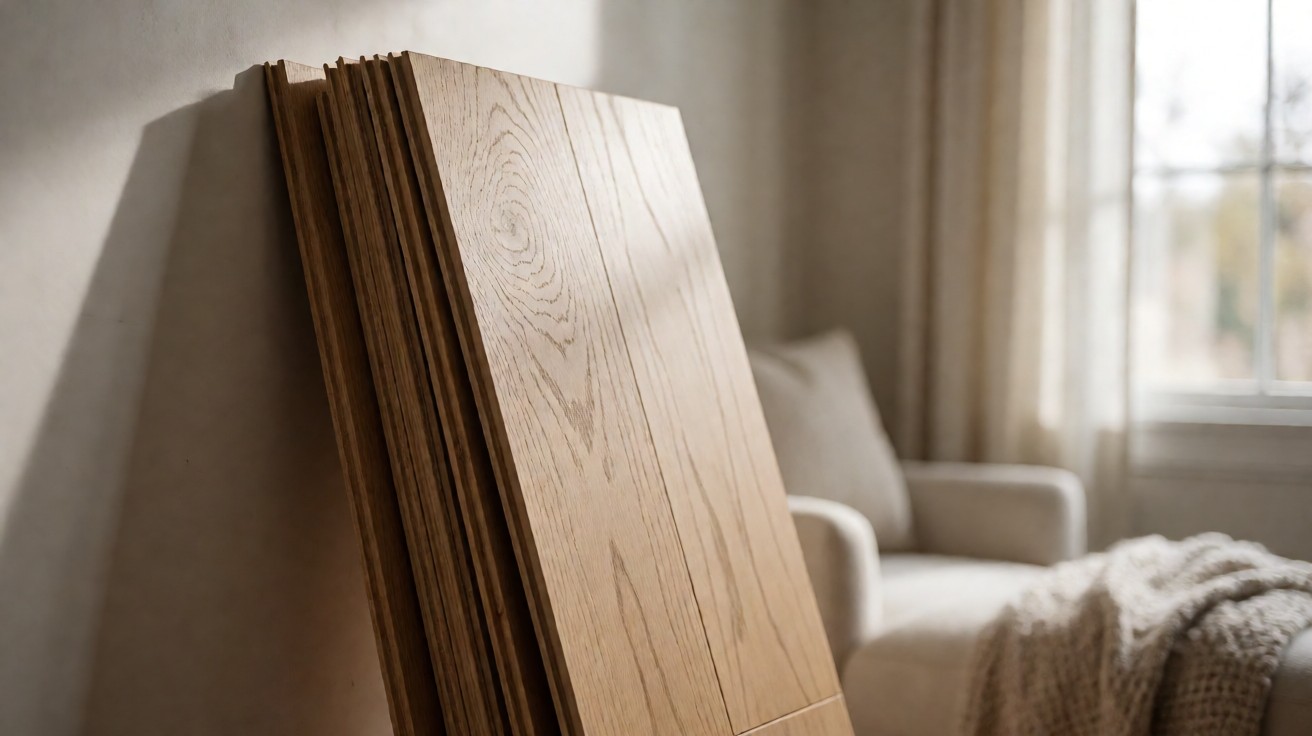

Keep one to two boxes of flooring after the install, in the room it came from. A repair later needs a board that matches the batch, and the batch is gone.
The right number is one to two full boxes from the same batch as the floor you laid, whether that floor is hardwood, vinyl, laminate, or tile. Anything less leaves a repair unmatched, and anything more is a floor you cannot use.
Most homeowners keep nothing, and most regret it when a board is damaged. The flooring buying guide covers the buying side of the same decision.
Why You Keep Leftover Flooring
A floor is repaired board by board, not by replacing the room. When a board is damaged, the installer needs a board that matches the colour, the grade, and the wear layer of the floor that is already down.
That board is not available from the supplier after the line is discontinued or the batch is sold out. The only board that will match is the one you kept.
Keep the material for the day a repair is needed, not for the day you finish the install.
The cost of a spare box is small against the cost of a repair that cannot be matched. A single board from a new batch can sit in a floor like a patch, and the patch is what everyone sees.
How Much to Keep
Keep one box for a small job and two for a whole home. A common luxury vinyl plank box covers about 20 square feet, so one box is roughly 5 percent of a 400 square foot job.
Industry practice keeps a reserve of about 5 to 10 percent of the order. A 10 percent reserve on a 2,000 square foot job is 200 square feet, which is about ten boxes, and that is more than most homeowners want to store.
The practical rule is one to two full boxes. That is enough for a handful of board repairs and not enough to store as a second floor.
The flooring box count guide covers how to size the order before you decide how much to keep.
Count the boards you will need, not the square feet. A board repair uses three to five boards, and one box of twelve boards covers two or three repairs.
How Many Boxes Is Enough?
One box covers a few boards. If you keep two, you can repair a damaged run without ordering a whole new box from a batch that may no longer exist. Two boxes is the sensible ceiling for a whole home, and one box is enough for a single room.
| Job size | Reserve to keep | Why |
|---|---|---|
| Single room | 1 box | A few board repairs |
| Whole home | 1 to 2 boxes | Several repairs over years |
| Open plan or long runs | 2 boxes | Longer runs need more matching boards |
What to Keep and What to Discard
Keep full boxes. A full box contains the boards a repair needs, and a full box can be returned if it is unopened and the supplier accepts it.
Discard offcuts that are too short to use. A 6 inch offcut cannot be laid into a run, and keeping a pile of them is not a reserve.
Keep the boards that match the grade. If the floor is a select grade, the offcut from a select grade is the one that will blend.
Do not keep damaged boards. A board that arrived chipped or warped should be returned, not stored.
The flooring defect inspection guide shows how to tell a rejectable flaw from a normal variation.
Sort the offcuts by length before you discard them. A piece longer than 12 inches can be used in a closet or a pantry, and a piece shorter than that cannot.
Where to Store It
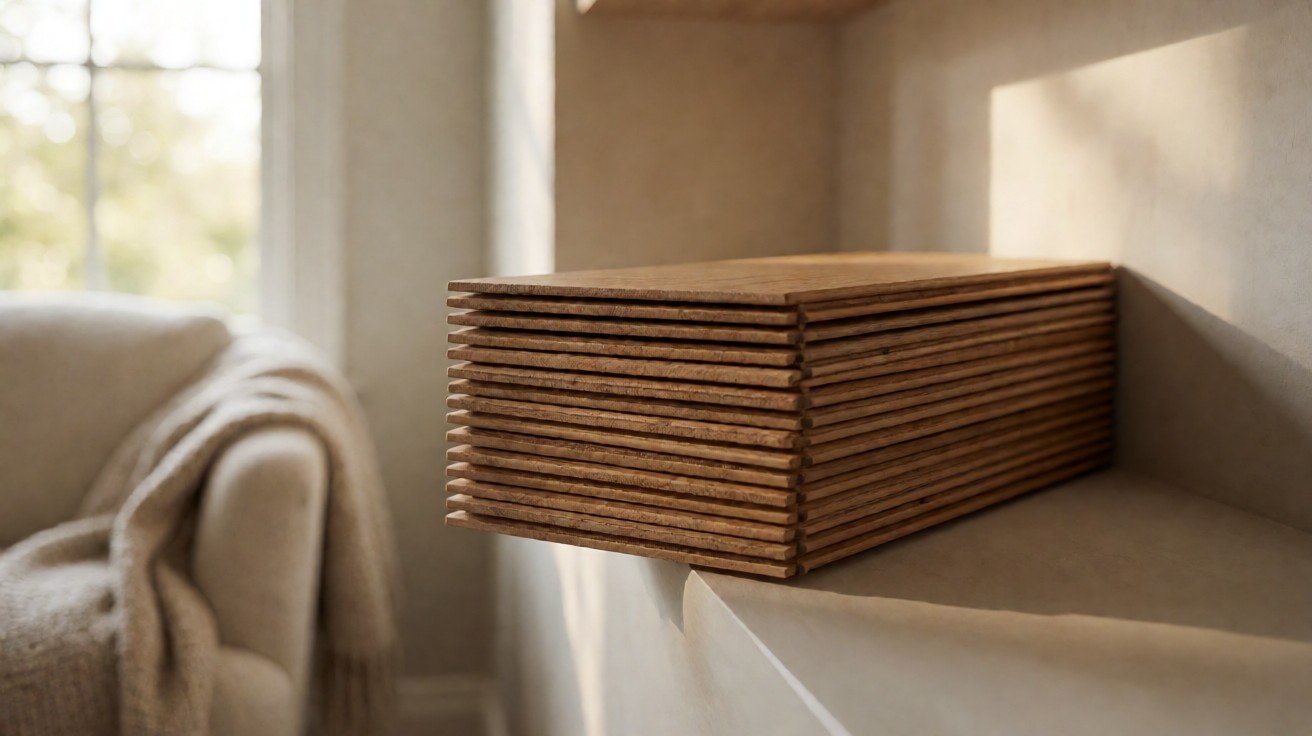
Store the boxes flat, in the room they came from or in a dry interior space. A box stored flat keeps the boards from warping, and a dry space keeps the moisture out.
Do not store flooring in a garage, a basement, or an attic. The humidity in those spaces moves the boards, and a board that has moved will not lay flat later.
Keep the boxes off the concrete. A box on a concrete floor wicks moisture from below, and the boards at the bottom will cup.
Store the boxes where the temperature stays steady. A room that swings from cold to hot will move the boards, and the movement will show when you lay them.
| Storage location | Good or bad | Why |
|---|---|---|
| Closet in a conditioned room | Good | Steady temperature and humidity |
| Under the bed | Good | Flat, dry, and out of the way |
| Garage | Bad | Humidity swings and moisture |
| Basement | Bad | Damp air and wicking from the floor |
| Attic | Bad | Heat swings and dryness |
Where Should You Not Store Flooring?
Anywhere the humidity moves. A garage, a basement, and an attic all swing with the season, and a board that has moved in storage will not lay flat. If the only space you have is a garage, keep the boxes on a shelf, off the floor, and accept that the boards may not lay as well as a board from the original batch.
How to Label It
Label each box with the product name, the batch number, the shade number, and the date you bought it. The label is what lets a supplier match a repair years later.
Write the room on the box as well. A box marked kitchen is a box you can find, and a box marked spare is a box you will forget.
Photograph the label and keep the photo. The label can fade, and the photo does not.
Keep the invoice with the boxes. The invoice carries the batch and the shade number, and the invoice outlives the label.
When a Repair Needs the Leftover
A repair needs the leftover when a board is damaged beyond the finish, when a board cups and will not flatten, or when a section is replaced after water damage.
The installer will pull a board from the run and lay a new one. The new board has to match the colour and the grade of the boards around it, which is why the reserve matters.
If the reserve is gone, the installer will order a new box from the current batch, and the new batch may not match the floor that is already down.
Ask the installer at the end of the job how many boards to keep. A good installer will tell you the number, and the number is usually one box.
Why the Batch Matters
Flooring is made in batches, and a batch is a run of product from one production window. The colour and the texture can shift between batches even when the product name is the same.
Tile is shade graded under ANSI/TCNA A137.1, and the shade number on the box tells you which batch the tile came from. Wood flooring follows the grading rules of the National Wood Flooring Association (NWFA), and laminate carries an AC rating from the National Laminate Flooring Association (NALFA).
A box from the same batch as your floor will match. A box from a different batch may not, and the difference will show at the repair.
The batch number is the first thing to record when you open the order. Write it on the box before the wrap is thrown away, because the wrap is where the number lives.
How Long It Lasts in Storage
A box stored flat in a dry interior space will last for years. Wood flooring guidelines from the NWFA put the occupied space at 30 to 50 percent relative humidity and 60 to 80 degrees Fahrenheit, and a board stored in that range will not move.
Keep the room conditioned. A spare board in a room that is not heated in winter will move with the season, and the movement will show when you lay it.
A board stored for a decade in the right conditions will still match the floor. A board stored for a decade in a garage will not.
Check the boxes once a year. A box that has taken on moisture will show it at the bottom, and a box that has moved should be used before it moves further.
How Often Should You Check the Boxes?
Once a year is enough. Look at the bottom board of each box, because that is the board that took the moisture, and check the corners for cupping. If the boxes are dry and flat, leave them alone, because every move risks damage.
What You Cannot Keep
You cannot keep a discontinued line. Once the manufacturer stops making the product, the reserve is the only source, and the reserve runs out.
You cannot keep a batch that is sold out. A supplier who is out of your batch cannot match it, and a reorder will be a different batch.
You cannot keep a board that has moved. A board that has warped in storage will not lay flat, and a warped board is not a reserve.
You cannot keep the match if the finish has been changed. A manufacturer that reformulates the finish changes how the board ages, and the new board will not age into the old one.
The Cost of Not Keeping It
The cost of not keeping a reserve is a repair that cannot be matched. The installer will order a new box, the new box will be a different batch, and the repair will show.
A mismatch in a wood floor is visible at the repair line. A mismatch in a tile floor is visible at the shade. A mismatch in a laminate floor is visible at the pattern.
The second cost is the time. A repair that could be done in an afternoon becomes a project that waits on a reorder, a delivery, and a new batch that may still not match.
Keep the reserve so the repair is a board, not a project.
The Common Mistake
The most common mistake is keeping offcuts instead of boxes. An offcut pile looks like a reserve and is not one, because the pieces are too short and too few to lay a repair.
The second is storing the boxes where the humidity moves them. A box in a garage is a box that will not lay flat.
The third is not labelling the boxes. A box you cannot identify is a box you cannot use.
The fourth is returning the spare box because the job is done. A return closes the door on the repair you will need later.
The Closing Procedure
Before you clear the site, run this list.
- Keep one to two full boxes, not offcuts.
- Store them flat in a dry interior space.
- Label each box with product, batch, shade, and date.
- Photograph the label and the box.
- Mark the room on the box.
- Keep the room conditioned year round.
Keep the boxes and the label. A repair five years later will need both, and neither is available after the supplier moves on.